

Director: James Owen
Writer: James Owen
Starring: Annabelle Lanyon, David Sterne, Daisy Jelley, Terry Bamberger, Paul Casar
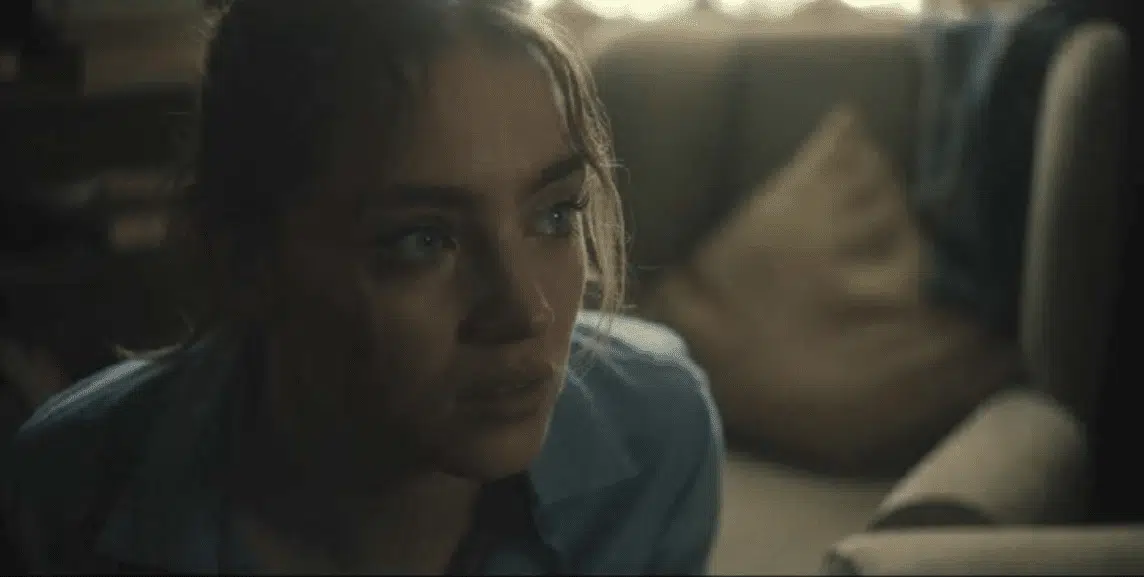
Synopsis: Medical student Melissa Knowles and her reluctant colleague Eric are making routine house calls to administer flu vaccines. When they step into Fred Hunt’s decaying, junk-crammed home, something immediately feels wrong. Fred seems like a harmless old recluse, but when Eric vanishes, Melissa’s search pulls her deeper into the house’s chaotic mess, revealing a labyrinth of tunnels carved through the piles of junk, twisting into suffocating darkness. And beneath it all, below the creaking floorboards, something stirs. Watching. Waiting.
In a new exclusive interview for Blazing Minds, ahead of this year’s Dead and Sudburied Horror Festival, I had the opportunity to ask writer-director James Owen about his latest film, Hoarder, which will screen at the festival on Saturday 24 October at 12:35pm.
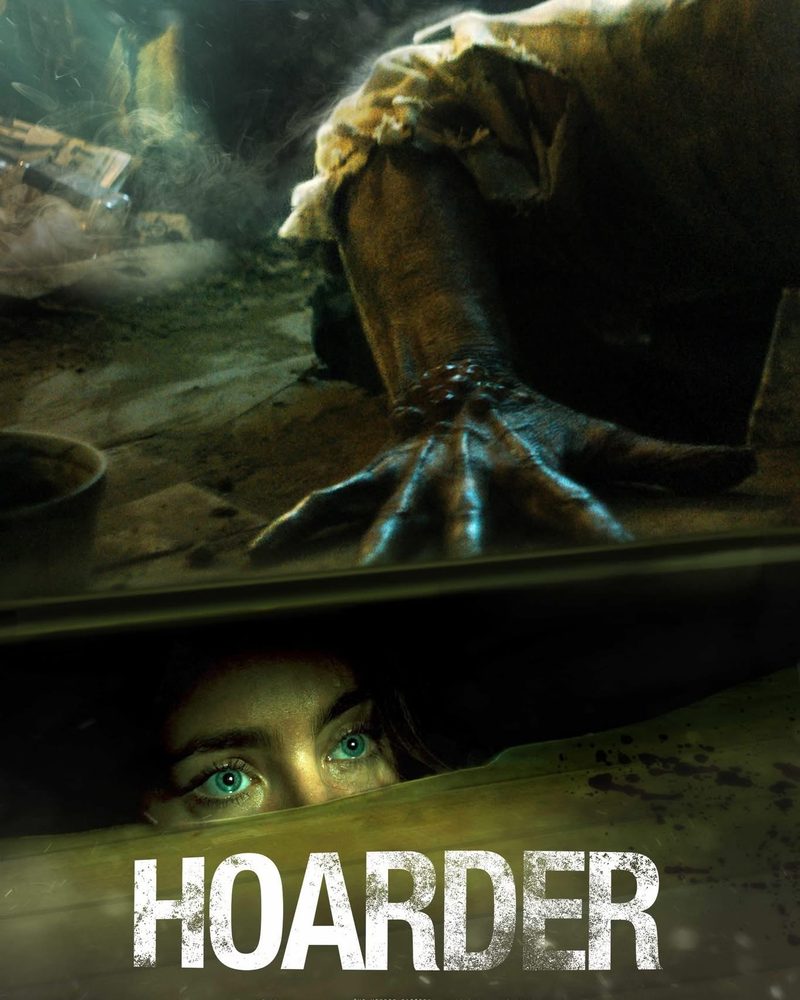
Q. Your film Hoarder has been selected for Dead and Sudburied. Can you tell us a bit about what audiences can expect from the film?
A. Well, I don’t want to give too much away, but the audiences who have watched it so far have been fantastic, and the feedback has been wonderful. I think the opening sequence sets the scene nicely for the horror that will unfold, and then it is a tense journey with Lissa and Eric as the house reveals itself and you start to understand what lies in wait.
Q. For anyone who doesn’t know your work yet, can you tell us a little about yourself and how you first got into filmmaking?
A. I have been a filmmaker for 12 years now, ever since one of my children wanted to have a go. I got the bug and never looked back. I’ve made short films and supported many features and shows over this time, including some big productions. Hoarder is my fourth feature and the second I have directed. I started my career as a trauma surgeon and still work part-time as a knee surgeon, but most of my time these days is spent as a filmmaker.
Q. How did the idea for the film come about?
A. Well a long time ago I was a medical student and went on a home visit with a GP to an elderly couple who were struggling to remain independent because of dementia, so that was in the back of my mind. I came across this wonderful old, almost derelict house that was perfect for the main location and this inspired the story.
Q. What inspired you when writing the script?
A. I took inspiration from my own experiences as a medical student, but the house was in such an awful state it really helped me to visualise the scenarios and after that my imagination got the better of me.
Q. What are the biggest advantages and challenges of being both the writer and the director on the same project?
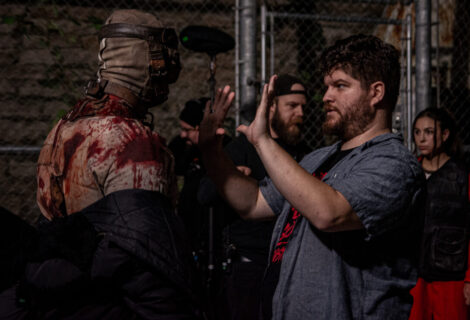
A. I think there are many advantages. I know the characters and their back stories intimately and this is very helpful for advising the cast. I had the location first so I could stand in a room, imagine the scene, the blocking, action and conflict between the characters and then reverse engineer it onto paper. That’s often how I write so I am a director first. I am very particular about the dialogue, making every word just right, but often the cast change things, either because it feels more natural a different way or they mix it up. The writer in me wants to correct it but, as a director, I often have to accept the change as it’s a great delivery and works. When I have directed other writers work, I still have to spend a lot of time reworking the script, for many reasons, to make it cheaper and more efficient to shoot or to make something more visual, “show, not tell,” as they say. Quite often, a lot of dialogue is unnecessary and just a look or a reaction is enough.
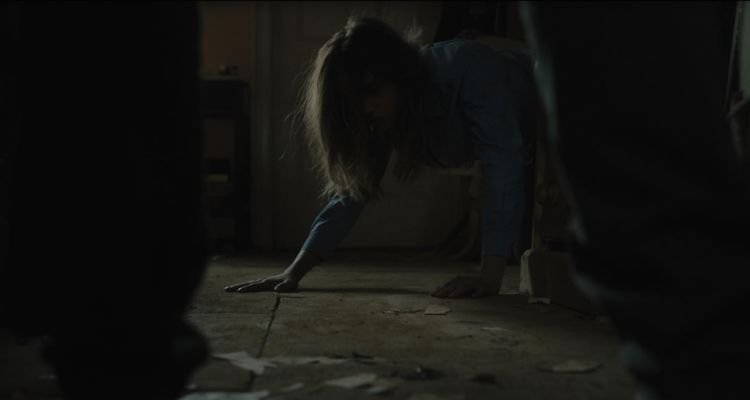
Q. What were some of your influences for the look and style of the film?
A. The state of the original house location was a big influence. It was very run down and covered in mould and damp- we had to clean it all up and then repaint the mould patterns so it was a safe environment. When you are working with low budgets, you have to work with what you have, so the furniture and junk were basically everything we could get for free. In the house there are some very cool locations you don’t expect and these were sometimes designed and built organically, basically adjusting the sets until they looked right.
Q. Did the script structure of the film change from the original concept during filming?
A. Yes, there were a few changes such as the timing of the boyfriend’s arrival, and there were a couple of scenes we compressed due to a lack of time. We had to decide what was essential for the story and what could be dropped to make the day. This happened on two or three occasions, but I don’t think it detracts. We found ways around the missing bits to make sure all the story elements are still there.
Q. How did you go about casting the film, and did they bring anything different to how you envisaged the characters in the original script?
A. I was very fortunate to have the wonderful casting director Ollie Gilbert on board. He loved the script and was totally committed. I am really grateful for his support. He put Daisy forward for the lead and she understood the role perfectly and has such an unbelievably good work ethic. I had worked with Annabelle and Tarik before and was keen to get them on board again. Paul recruited David, having worked with him before, and he is very experienced but said he had not really done much horror, though but he was brilliant as old man Fred. There were several quite challenging scenes for the cast and they really nailed them with such enthusiasm, total professionals. They all exceeded my expectations and each cast member brought much more to the characters. I am very open to ideas from the cast and crew. Filmmaking is such a collaboration and with such an experienced team it would have been crazy not to listen. Obviously, as the director you have to make the final call, but I always encourage the team to chip in with ideas.
Q. What are some of your favourite memories from making the film?
A. There are so many, it was such fun despite the challenges. I think the tunnels and the shed scenes were quite special, and the greenhouse scene was written quite late when I discovered this location in the overgrown garden and it looks so good on camera. As the director it’s sometimes hard to lose the serious business head needed to get the job done, but the whole team were so amazing and dedicated it made the whole experience so enjoyable, and I think everyone felt the same. It was a very happy set.
Q. What were the biggest challenges you faced during the shoot, and how did you overcome them?
A. The day with the Porsche was the biggest challenge, It rained so much we were all completely soaked. It did not let up at all and there was no ideal contingency plan, so we just went for it – you cannot tell on camera, it’s amazing how rain does not show up on camera unless you want it to.
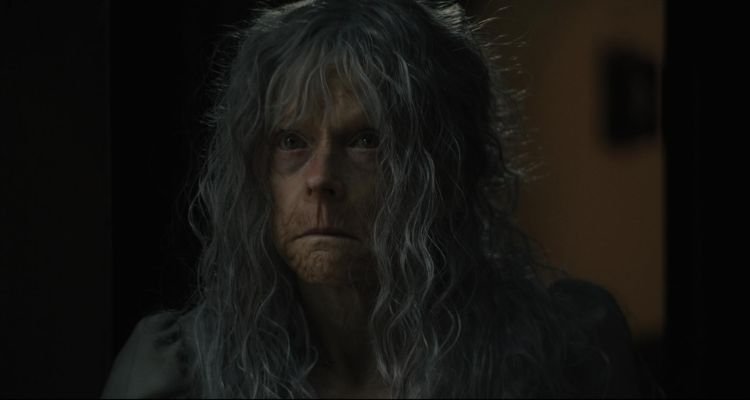
Q. What makes Hoarder stand out from other films in the horror genre?
A. Although the story is, on a basic level, one you are familiar with (i.e. entrapment and a monster in the house) I think we have subverted the tropes enough to create a fresh take on it, and there are several unusual and unexpected twists which audiences seem to really love. The media reviews so far have been very encouraging and probably say it better than me and without my bias!
Q. What do you hope people take away after watching the film?
A. Well, primarily I want them to be thoroughly entertained, get scared and anxious for the protagonist, but there are also some underlying thought-provoking messages in there about the challenges of getting old, maintaining your independence and dealing with illness. Mainly though, I want them to have fun.
Q. Do you have any other projects which you are currently working on?
A. Yes, we have a whole slate of films, several more horrors, but also a 1970s spy/heist thriller, a sci-fi horror and a six-part show about a rogue surgeon, which is going to be a lot of fun, but we need funds!
Q. If someone was looking to get into filmmaking, what advice would you give them?
A. Go for it – but don’t be under any illusions – it’s hard work and long hours and needs unbelievable tenacity – but it’s very rewarding.
Q. Where can people follow you and keep up to date with the film?
A. We have a YouTube channel, Instagram and TikTok (all @arthrofilm). We will be posting behind the scenes, festival news, cast and crew interviews for Hoarder and also information about upcoming projects and anything else we think you might like. We are building a community and connecting with our audience,
Hoarder will screen at the festival on Saturday 24 October at 12:35pm.. You can find out more about the festival and purchase tickets for the festival here.

Published in various websites, Philip is a reviewer who is best known for his interviews and media coverage of independent projects including; films, books, theatre and live events. Always on the lookout for something different to cover!