

Eyes and Prize (2018)
Director: Oliver Cane
Writer: Oliver Cane
Starring: Jackson Bews, Alanna Flynn, Nick Blakeley, Gerard Mcdermott
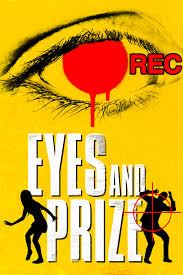
Four strangers move into a small apartment to take part in a “Big Brother”- type reality show, but soon find that all may not be what it seems.
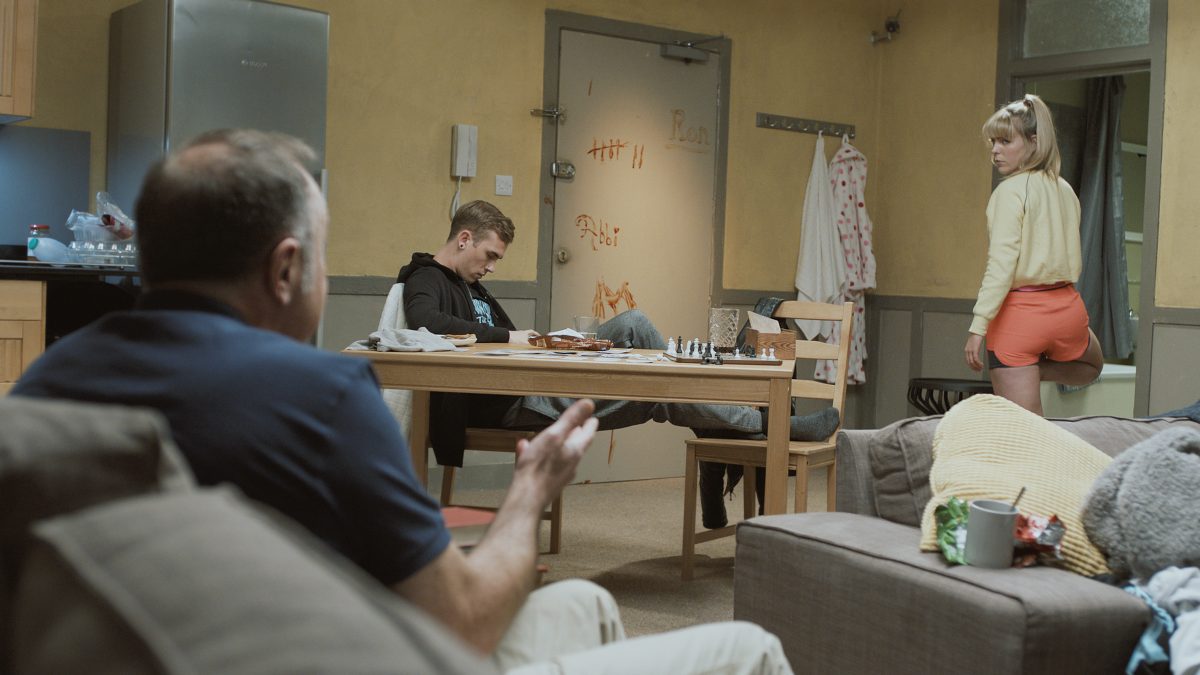
Eyes and Prize is a feature debut for writer-director Oliver Cane who uses the allure of reality TV stardom, to create a slow effective psychological horror. When four complete strangers move into a small flat together to take part in a Big Brother style reality TV show, it all seems like fun and games. However, things take an unexpected turn when they find that they are unable to leave the flat and they begin to question whether things are really what they seem.
The premise of the film is fairly simple with much of the action contained within the three rooms of the flat, so for the majority of the film it does actually play out like an episode of Big Brother. The initial scenes in the film are unusually long in an attempt to develop a sense of the characters and their personalities the first shot running for about 17 minutes before we see the first cut.
Despite the running time between each cut, the scenes come across very natural as it we are introduced to the characters as they arrive, with the camera moving around the room between the various conversations. Although the film has more fluidity as the hand held camera moves around the room freely following the action, the long edits reminded me of Alfred Hitchcocks underrated thriller Rope (1948), where it is presented more like a stage performance.

In addition to getting a sense of the characters, the extended scenes also give you a reassuring sense of security, because like the show it feels that very little happens. This is however suddenly interrupted by deliberately erratic editing that often cuts abruptly into another scene to disrupt the flow – at times shifting into a more energetic or violent scenario to take you off guard and maintain your interest. The film constantly shifts the balance between serene normality and dramatic tension, and more explosive scenes, which gradually sees a change within the characters.
With the films pace it does feel laboriousat times, due to the seemingly lack of action, although this is where the film works because it forces you to look deeper. Even the seemingly mundane tasks of hanging wet clothes hint at understated suggestion of how much time has passed.
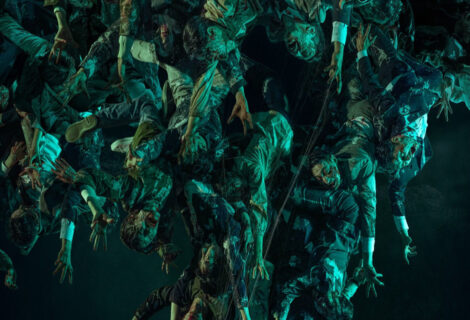
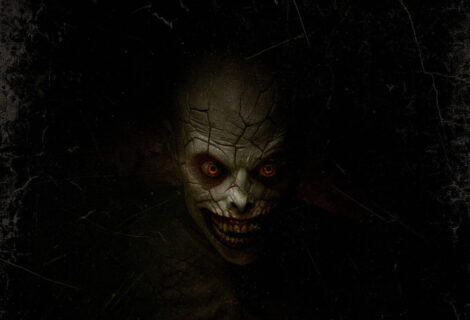
Although the majority of the film may feel slow, it does help to build up the tension which really pays off in the last 20 minutes where it suddenly goes through a dramatically change. Delivered with a more erratic pace, the film switches to a darker tone, embroiled with violent surreal visions and a descent into madness as it continues to gain momentum into the end credits. The contrasting execution of the final scenes hit hard with a powerful ending to the film, although the film would have benefitted if we had seen this introduced earlier.

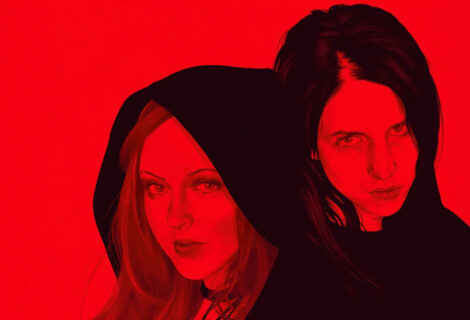
The performances from the cast are excellent with a very natural interactions, especially when you consider how long the shots last during each scene and the movement of the camera they never feel over rehearsed. They each portray a different personality; with a mixture you would expect from a social experiment. Jackson Bews playing the more rebellious musician Marcus, Alanna Flynn as the outgoing Abbi, Nick Blakeley as the initially more reserves James and Gerard Mcdermott as the more experienced member of the group Ron.
They each have their own unique personalities which we see change and develop as the film goes on, although it is constantly diplomatic and optimistic resilience of Ron who I was most impressed with. One of my favourite moments in the film is a monologue where he is addressing his wife directly through the cameras. It is an emotional conversation as he attempts to communicate with her through the camera, assuming she is watching; and is just as much for his own sanity.
The decision to not use any music in the film actually adds to the reality of the situation and actually leaves the emphasis of the performances of the characters, as they don’t have the music to heighten the moment. This works especially well when it moves into the silent credits which leave you a moment to think about the final events which occurred.

In addition to the hand held camera which follows the events in the flat, the rest of the film is shown using monitors. Whether it be linked to the security cameras around the flat to monitor the group or the social media and news reports which give us an indication of the events which are occurring outside of the flat. It is a clever use of the screens to once again elaborate on the story without moving away from the confined events in the flat and losing the ongoing tension which it is slowly trying to build.
Eyes and Prize from the outset feels like a rather simple premise, which left me feeling divided throughout, due to the drawn-out scenes which left me at times struggling with the pacing. If anything with the way the events unfolded it reminded me a lot of an episode of Big Brother. However, as the films goes on it slowly begins to draw you further in, building on the claustrophobic atmosphere as it starts to become more tense, before turning the film on its head in an impressive final 20 minutes. It was a brave film from director Oliver Cane, as it requires you to stay with the film from start to finish to really understand what he is trying to do, but if you can stay the pace, it will reward you in the end.
Eyes and Prize is available to view now on demand and all digital platforms.

Film Review Eyes and Prize
-
Eyes and Prize

Published in various websites, Philip is a reviewer who is best known for his interviews and media coverage of independent projects including; films, books, theatre and live events. Always on the lookout for something different to cover!