

Movies have long been a source of entertainment and inspiration, but they often take liberties with reality to enhance drama or streamline storytelling. Over time, some cinematic portrayals have become so entrenched in popular culture that people mistake them for fact. Here are the top five movie myths and the truths behind them:
Silencers Make Guns Whisper Quiet
The Myth: In movies, silencers (or suppressors) make gunshots almost inaudible, reducing them to a faint “phfft” sound.
The Truth: In reality, suppressors only slightly reduce the noise of a gunshot. While they can lower the decibel level by 20-30 dB, a suppressed gun is still as loud as a jackhammer (approximately 120 dB). Suppressors primarily reduce the noise level to prevent hearing damage, but they do not make gunshots stealthy or quiet.
Hacking is Fast and Visual
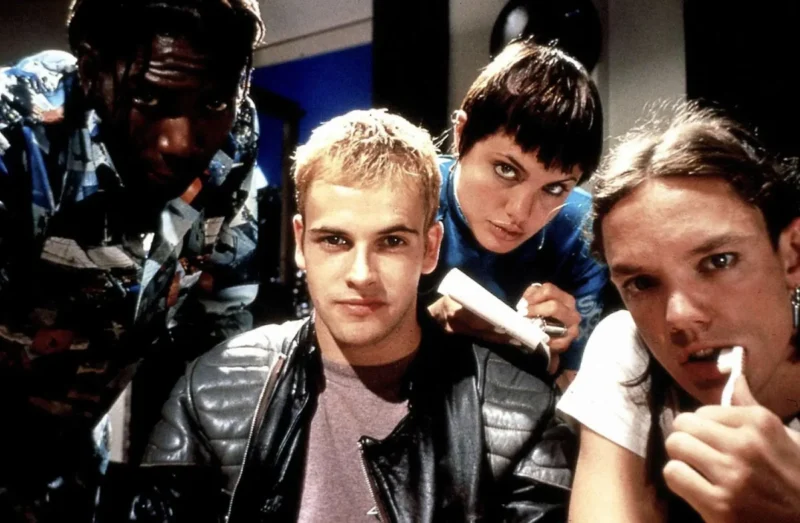
The Myth: Hollywood hackers break into sophisticated systems in minutes, often typing furiously on brightly coloured, graphical interfaces.
The Truth: Real-life hacking is far more complex and time-consuming. It often involves hours or days of research, exploiting vulnerabilities, and testing different approaches. Additionally, most hacking is done through command-line interfaces, not sleek, futuristic software. The “dramatic race-against-time” portrayal is purely for cinematic tension.
Car Explosions are Common
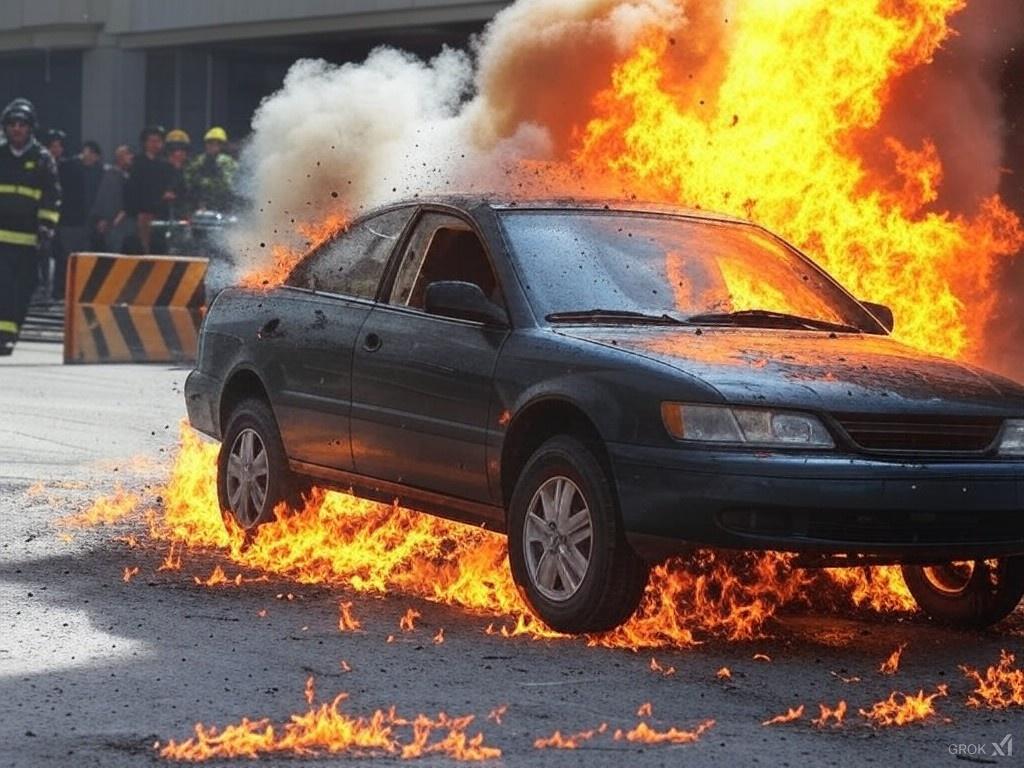
The Myth: A single bullet or crash can cause a car to explode into a massive fireball.
The Truth: Cars rarely explode in real life. Modern vehicles are designed with safety features to prevent such catastrophic events, even in severe accidents. While it’s possible for a car to catch fire under extreme circumstances, explosions as seen in movies require additional fuel sources or specific conditions, which are highly unlikely in everyday scenarios.
Defibrillators Restart Hearts
The Myth: A defibrillator can revive a person whose heart has stopped, with the dramatic “clear!” followed by a jolt and instant recovery.
The Truth: Defibrillators are designed to correct abnormal heart rhythms like ventricular fibrillation, not restart a stopped heart (asystole). If a heart has completely stopped, CPR and medications are required first. The shock realigns the heart’s electrical activity; it doesn’t act as an on/off switch.
Quicksand is a Death Trap

The Myth: Falling into quicksand means inevitable death as it sucks victims under like a vacuum.
The Truth: Quicksand is not as deadly as portrayed. While it can be challenging to escape, quicksand is a mixture of water and sand that becomes more buoyant as you struggle. Humans are denser than quicksand, so complete submersion is rare. Staying calm and slowly extricating oneself is usually the best approach.
Why Do These Movie Myths Persist?
Filmmakers prioritize excitement and drama over accuracy, and certain exaggerated portrayals have become tropes that audiences expect. While these myths are often harmless, they highlight the importance of critical thinking when consuming media.
Next time you watch a movie, remember: what’s entertaining on screen isn’t always a reflection of the real world.

Karen Woodham is the founder and owner of the Blazing Minds. She is also a Cinema reviewer and works with RealD 3D reviewing the latest 3D releases and IMAX, she has also had several articles published in various publications including the first edition of SFW Magazine. In 2015 she became an Award Winning Blogger and also has her website listed as one of the UK’s Top 10 Film Blogs.