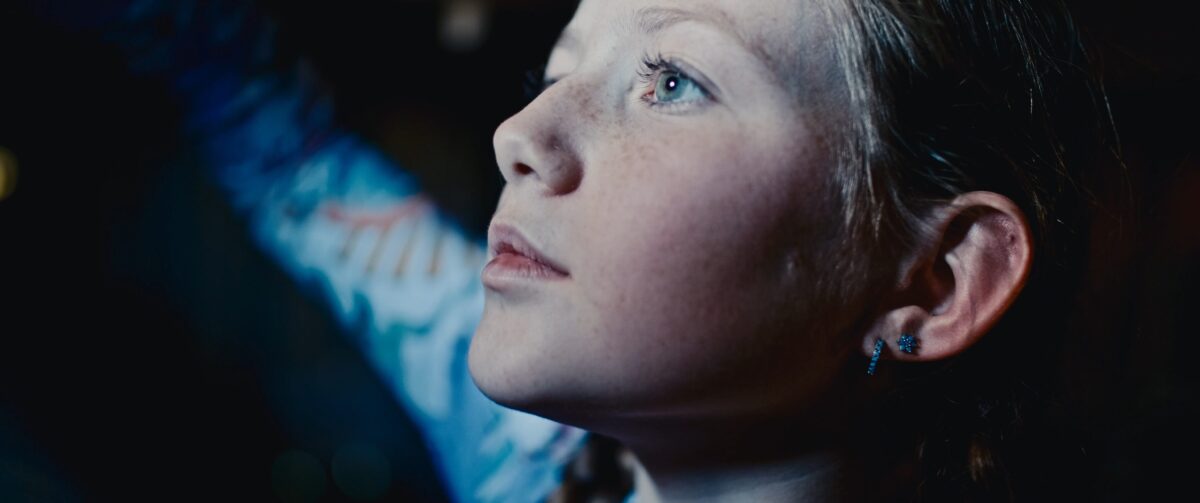
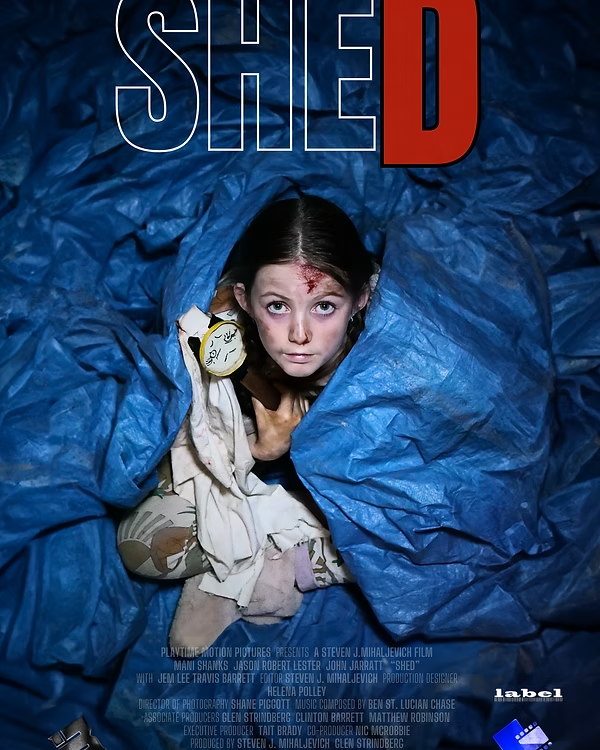
Film Name: Shed
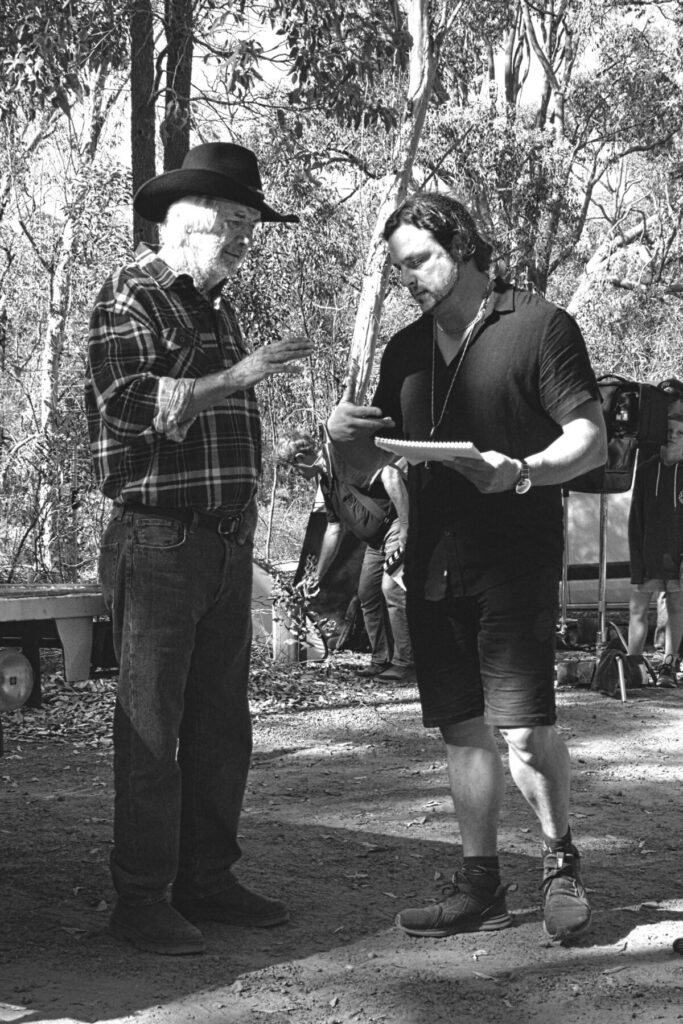
Director: Steven J. Mihaljevich
Writer: Steven J. Mihaljevich
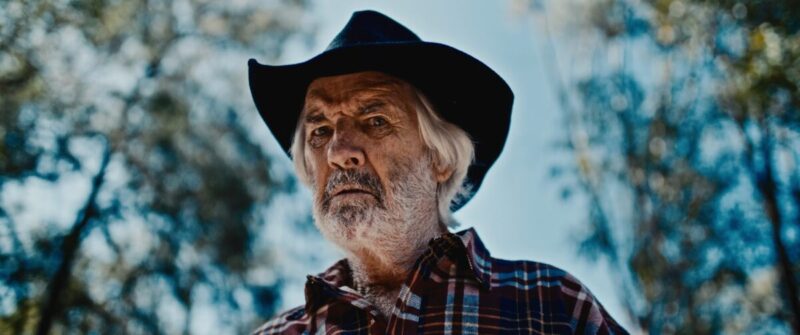
Starring: John Jarratt, Jason Robert Lester, Mani Shanks
Mia, a courageous 10-year-old girl who is locked in a shed, must survive inconceivable odds whilst
trying to discover what happened to her family.
In a new exclusive interview on Blazing Minds, I got a chance to ask Writer-Director Steven J. Mihaljevich a few questions about the film ‘Shed‘ which will have its World Premiere at Horror-on-Sea on Friday 16th January at 17:30hrs.
Q. Your film Shed has been selected to play at the Horror-on-Sea Film Festival. Can you tell us what we can expect?
A. It’s a bold little indie with a lot of bite; confronting at times, unapologetic and relentlessly intense, but there is an element of adventure about it. It’s fun, but at the same time, it’s gritty, and devastating. I am hoping viewers find it a fascinating watch.
Q. What were your inspirations when writing the script?
I asked myself how I can make a survival “bottle” film in a way that feels fresh. I wanted a thriller told from a unique POV – the idea of an ordinary child trying to think her way out of an extraordinary situation where the stakes are as high as they can be, was appealing. The idea of this monstrous act told from Mia’s perspective – I thought could be very interesting. But I wanted it to be laced in realism, keeping an Australian grit and tone, but still try to make a horrifying film where there can be blends of beauty and light. That was the challenge I set for myself.
Q. What were some of your influences for the look and style of the film?
A. There are obvious nods to the gritty realism of films like Deliverance (1972), or the original Wolf Creek (2005), the rawness of 127 Hours (2010) and the relentless energy of bottle films like Buried. But I wanted to try and focus on making the whole experience Mia endues actually feel like it’s coming from the perspective of a child – so certain things are amplified or hidden. The music is often silent, but when it hits, it feels like Jaws (1975) meets Predator (1987); reminding both Mia and the audience how suddenly volatile the world she is in is. Abstract emotive dream sequences that Mia experiences, to resemble her longing for comfort and aching for her family, but to suggest she is still trying to understand what is truly happening in her mind. Or things are hidden – we never really see the face of the monster for example, as kids don’t often look people in the eye. Creating the feeling of claustrophobia with the use of close ups. So yeah, capturing the POV of the character I thought could be more terrifying and engaging.
Q. Did you make any changes from the original script during filming?
A. Always. There always is. The script is a continuously evolving document and entity. Then it’s almost re-written again or it changes dramatically when you are in the editing room. I love this. I never stick to a foundation. I like how things change, evolve, improve and all the surprises that appear along the way.
Q. What were some of your favourite moments during filming?
A. My previous film and 2nd film Violett (2023), was such an ambitious, exhausting experience that almost
got the best of me to the point where I was emotionally, physically and mentally ill from it and questioned ever making another film. Shed was the going to be the film that re-ignited my passions. So the entire experience was one big favourite moment for me, because I made it in an entirely different way – almost total minimalism and a micro crew, which was convenient because it allowed me to get the best performance out of Mani who was only 10 years old and also really focus on visual language.
DP Shane and I had an absolute blast forgoing all conventions of having our shot list planned and set. We were organised, but everything changed in the space; all shots were re-created and we embraced that more than we ever had before. I think that this spontaneity drove more creativity and fun, because we were playing and experimenting as we went along – and we were getting better results. It felt like improvised theatre, instead of working with a tiresome script that was set in stone and on repeat.
Q. Did you experience any issues during filming?
A. Issues are part of the adventure. Every day is about problem solving these issues haha. Spoilers alert, there is a scene where Mani’s character Mia is put into a huge grave and buried alive, it was both confronting because of the horrifying context of it, but also Mani’s safety. It was a pivotal scene hat if we didn’t nail, I kept telling everyone that we “Didn’t have a film.” So the stakes were high to try and make it look real and compelling enough. A lot of the horrifying and confronting scenes and moments that I thought were going to be an issue, weren’t because Mani was just such a rare asset.
She always asked the right questions in what she had to do, but never really asked too much about
the horrifying narrative elements – she just kept moving; kept reminding herself of her actions and
steps and beats – kept ploughing through. This was perfect.
Q. What makes Shed stand out as something different in the horror genre?
A. Like I try to create with all of my films, despite the genre – that there is a transformation or series of transformations that occur in and around the characters. I love right of passage, I love the duality of light and dark, beauty and horror. Shed is a survival horror film that is more about emotional honesty – watching the transformation of an ordinary but courageous little girl survive and attempt to take on the horrors of evil. Plainly, I want a horror film that people remember long after.
Q. What do you hope people take away after watching the film?
A. They will be engaged and exhausted, devastated and thrilled as they applaud a young child becoming the most powerful version of herself. I hope that it is a reminder that courage is the best defence against the forces of darkness.
Q. Do you have any other projects which you are currently working on?
A. Many in development! But the next film I am attempting to do – still in the vein of “emotive horror” will be the most challenging piece to date. That’s about all I can say.
Q. If someone was looking to write and direct their own film what advice would you give them?
A. If you have a strong vision, which you should – stick to it. Don’t let
anyone convince you otherwise. Take in the advice of other creatives because everyone has something valuable to add, but stick to the vision. You just need to be able to articulate that vision and your intentions, so that you can bring everyone else along on your crazy ride in the best way. And if it does feel a bit “crazy”, that’s a good sign, it means you are doing something unique.
Embrace both the odd and cliché questions people will throw at you, because it is a clear sign you are breaking conventions. Your personal voice and style is what makes you and the creation have a soul. The worst thing you can do is try to appease, or make everything seem familiar so that everyone can relate. People should not be relating and there should be some confusion, because you should be trying to do something very different. For me, I always feel whatever the story, if it is not being told from a fresh perspective, then there is no point in the film existing.
Shed will be playing at Horror-on-Sea on Friday 16th January at 17:30hrs.
You can find out more about Horror-on-Sea and purchase tickets the Shed here

Published in various websites, Philip is a reviewer who is best known for his interviews and media coverage of independent projects including; films, books, theatre and live events. Always on the lookout for something different to cover!