

Director: Neilson Black
Writer: Neilson Black
Actors: Shamir Dawood, Victoria Malinjod, Paul Higginson, Joshua Samuels, Grace Hendy
Synopsis: A British foreigner moves to Paris to work in a cafe and become a Parisian. But realizes he isn’t welcome when he gets there. So, he starts a support group to fight for his right to stay and save the cafe from closing.
With The Southend-on-Sea Film Festival will be returning once again from 26th – 29th May, I got an opportunity to ask Writer-Director Neilson Black a few questions about the film ‘Café Mirage‘ which has been selected to play at the festival on Saturday 28th May at 4.00 pm
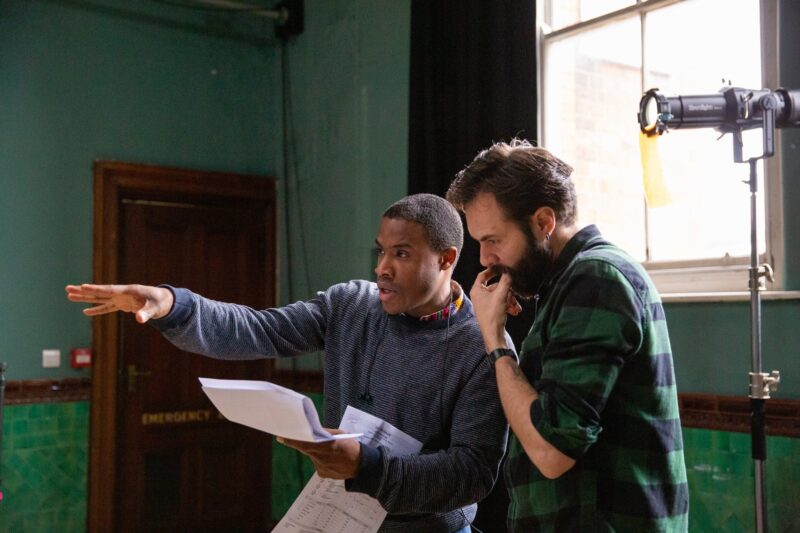
Q. What can we expect from the film?
A. I hope the equality message among nations comes through. Even though the film deals with serious topics like immigration and racism, the genre is a drama/comedy, so it has a light and fun tone. I made this film from the heart and my intention was for this warmness to come through on the screen. My last independent feature film New You, was made in a more static and colder style, the opposite was my intention for Café Mirage. You should also see some pretty exterior locations of Paris as we shot there in the summer of 2019.
Q. How did the idea for the film come about?
A. This film was partly based on my own experience. Being a person of colour, growing up I was one of a few people of colour in my entire year group at school. I experienced racism and felt like an outsider. When I turned 20, I moved away to study film and worked in restaurants part-time. This is where the idea for the film sank in because I was around other people (“foreigners” like myself) speaking multinational languages, and I realised I was a part of a community where we were all on the same road. I observed how foreign people from other countries spoke multiple languages, were skilled, and their bravery of going to a different country sometimes completely on their own fascinated me. They are strong. This is where the root of the idea came from, and the location of the cafe came from my time working part-time in restaurants during my twenties.
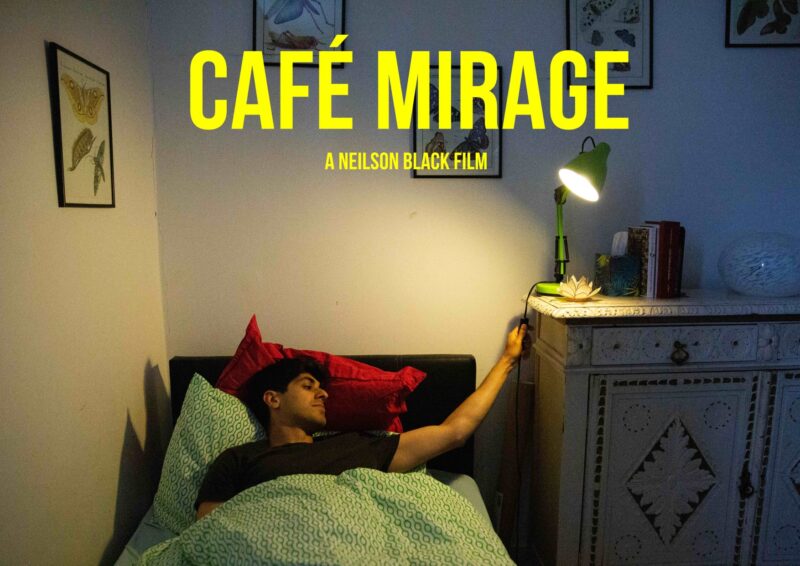
Q. What were some of your influences for the look and style of the film?
A. This being a mix between a British and French film, I always wanted it to be based in Paris. Just for the fact that I really love the city and I wanted to shoot a movie there. I wanted to stretch myself and shoot aboard for the first time. In terms of influences, at the time I had really gotten into French New Wave movies. Films by Jean-Luc Godard and my personal favorite, Jacques Rivette. I must have watched Celine and Julie Go Boating about 3 times before the shoot. The French New Wave was a key reference point for Café Mirage.
Q. Were there any elements of the original script which were adapted during filming?
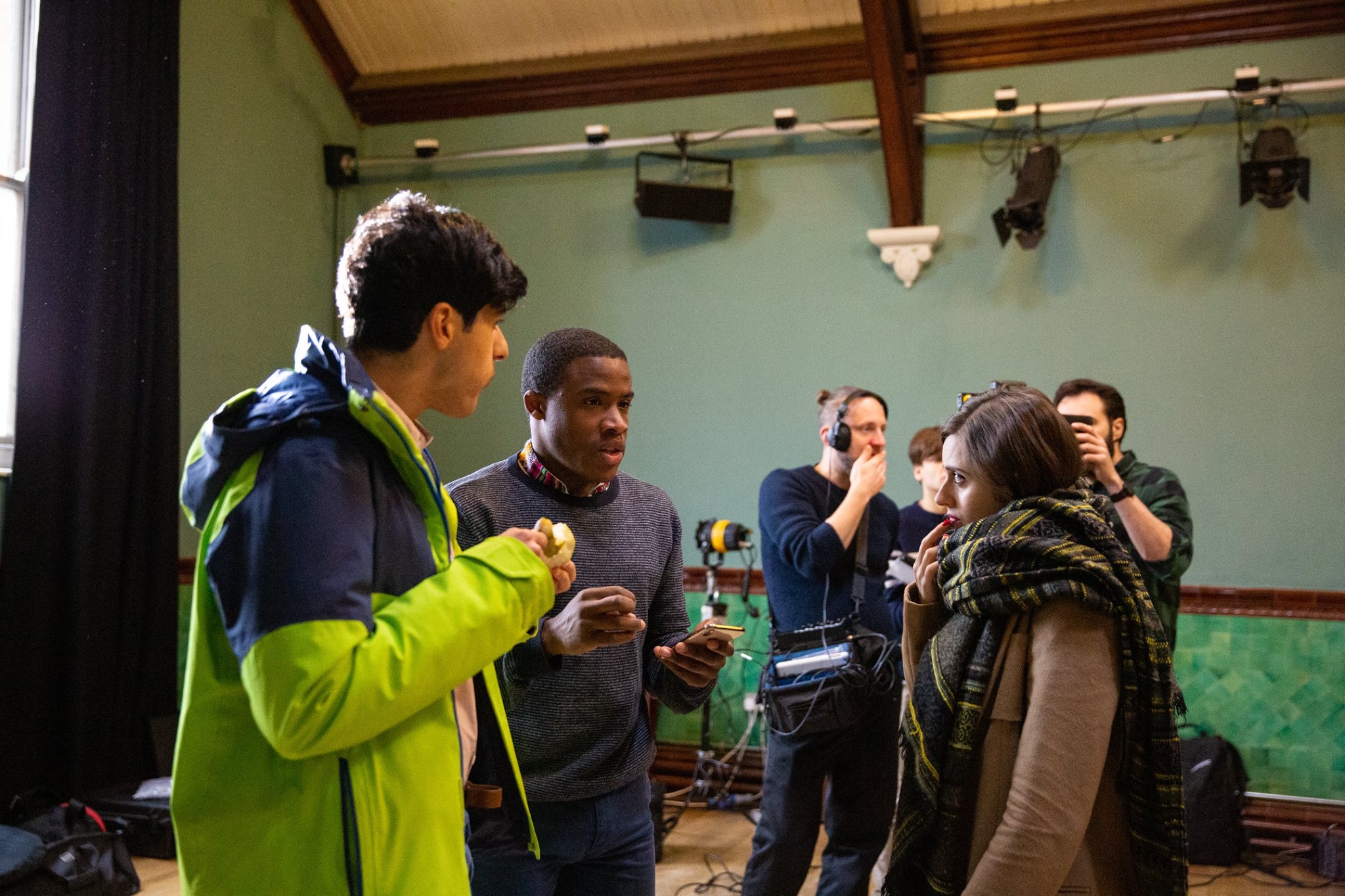
A. Yes. A lot of the restaurant scenes bled into the same scenes because it made more sense to keep the action flowing rather than chopping the pace up. Plus, we didn’t have enough hire time of the location to accommodate all the scenes, so we had to adapt. A ten-section montage where Julian has his trial shift became one continuous take! It brings down the production value somewhat, but still, it is great to see how much you can adapt on set and how much work you can get out of one shot. Another element: because most of the film takes place in Paris (although every interior scene is shot in London) we could only achieve a scene that happens on a balcony between Julian and Ava in London. So we shot the scene at angles to disguise this and it was amazing to see how well you can manipulate what’s on the screen with the camera. This really make you appreciate what the art of cinema can do.
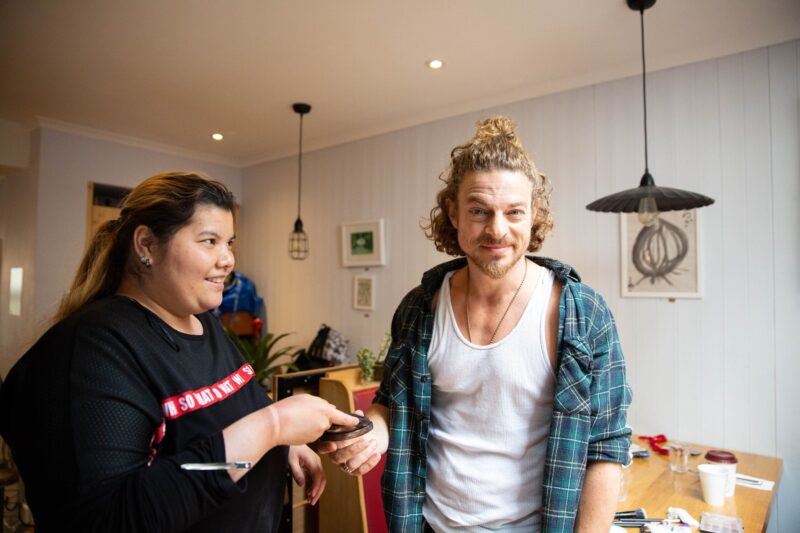
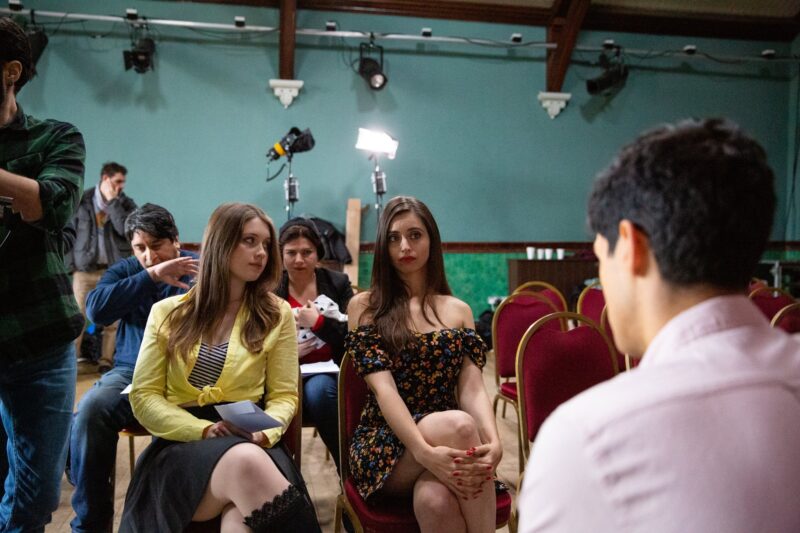
Q. What were your favourite moments whilst making the Film?
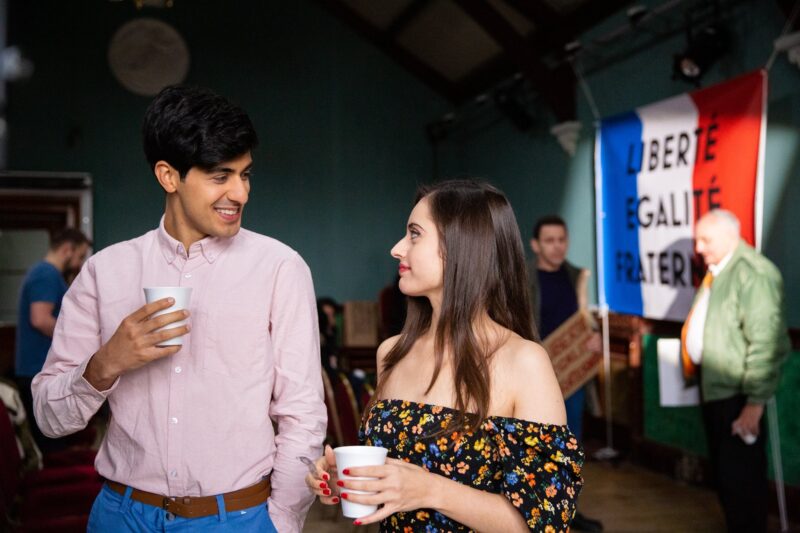
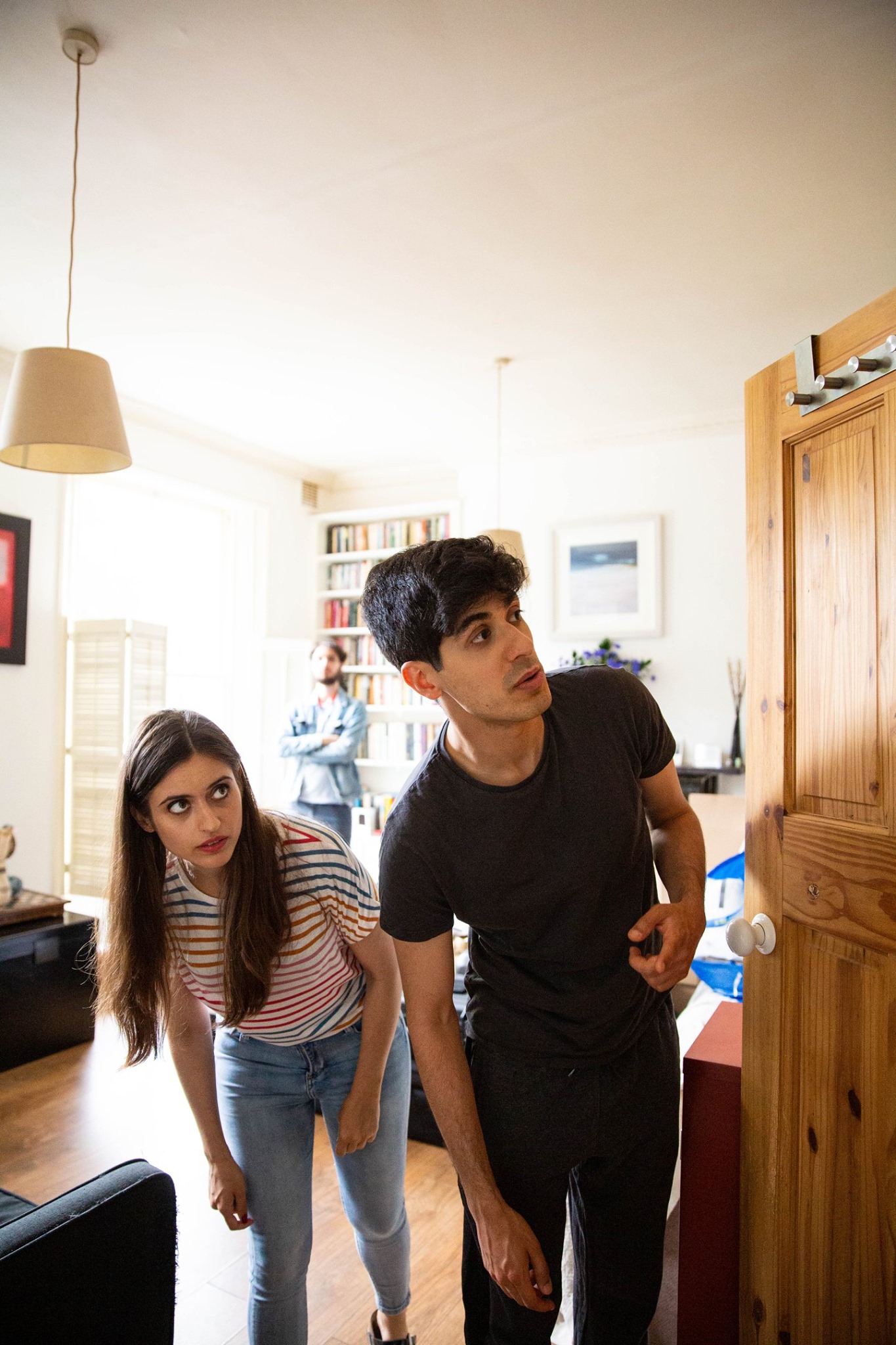
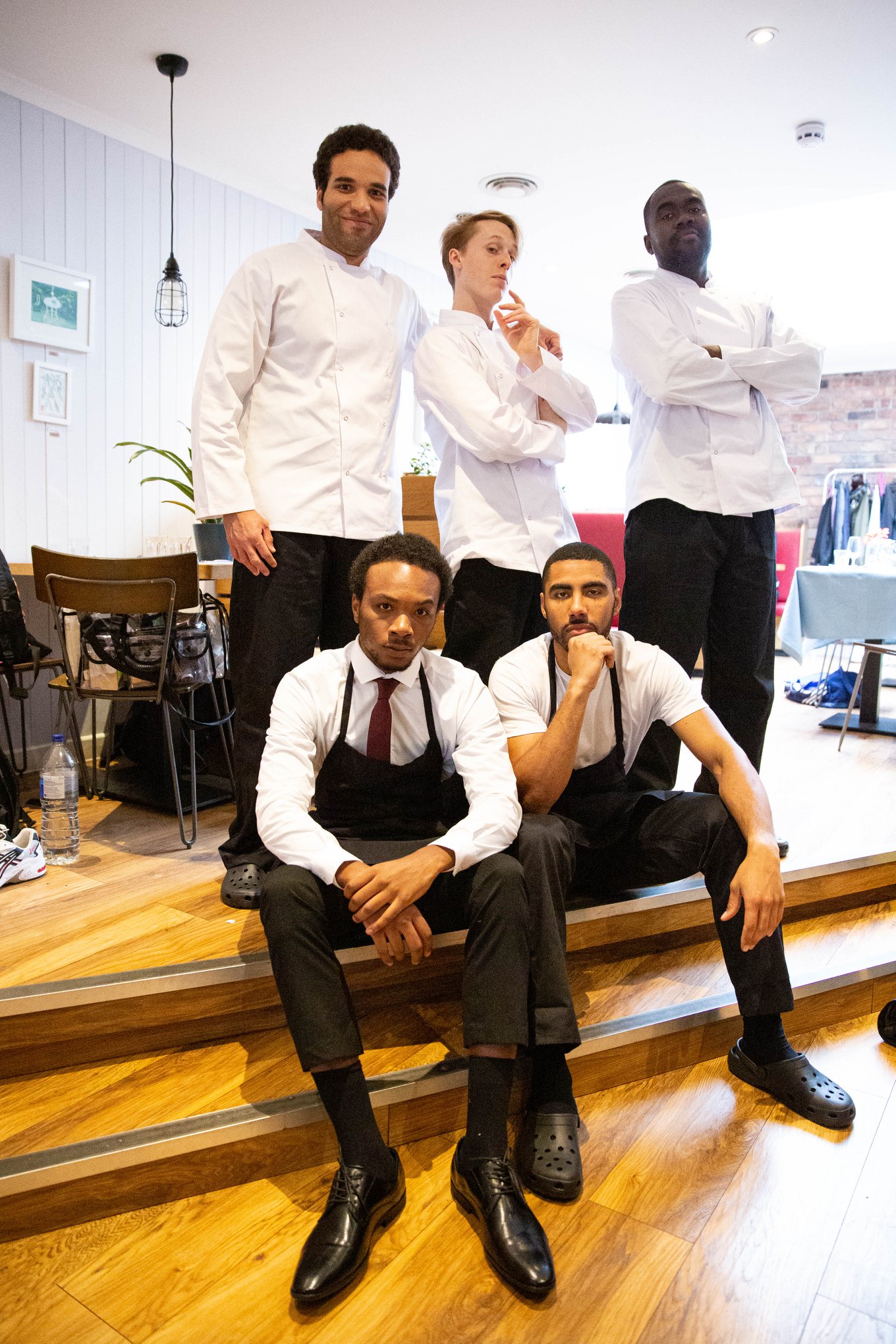
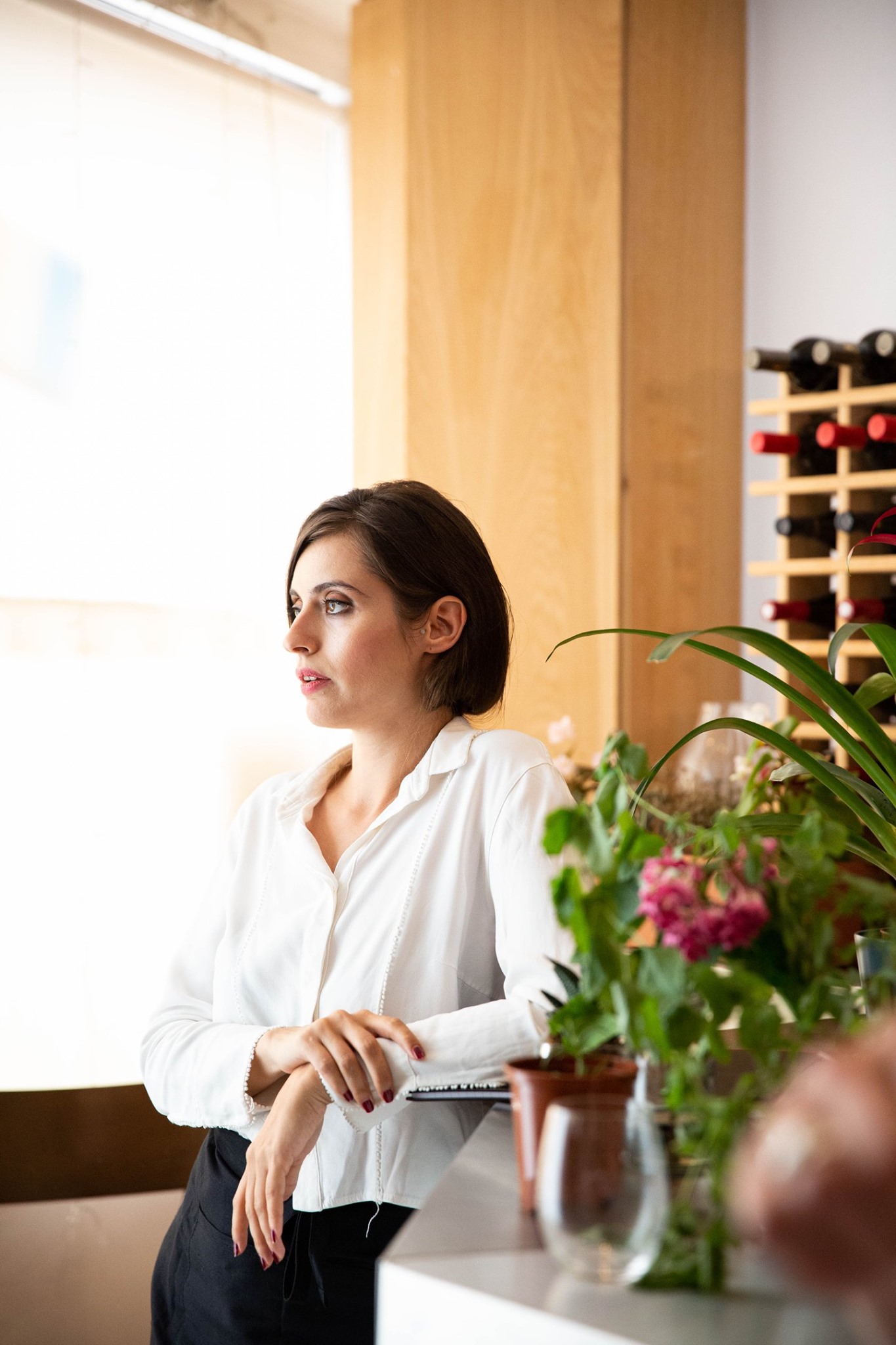
A. Shooting in Paris for sure. Even though I had applied and been granted the basic permit which meant minimal crew, filming on streets and bridges only, it had always been my ambition to shoot a French film in Paris. It was so exciting being right outside the Gare Du Nord filming. The moment really sank in during a small scene between Julian aiding a drunk Charlie back to his apartment in a quiet Parisian Street. I went into thought, away from the cast and crew, and said to myself: “this is really happening”. Another favorite moment was working with the actors, they were all so professionally and their talents raised my game. There was some magically moments, particularly from the smaller roles. One being a difficult customer in the cafe played by Vincent which was a scene stealer. A Russian foreigner in Julian’s support group played Natasha echoes the same impact as Vincent, Natasha was almost method because I am sure she was in character even off set. An actress named Delly that played an America foreigner from the same support group was another favourite moment. Due to a cast emergency, she was literally called on the day of the shoot as a recommendation from a fellow cast member to play the role, on the same day! Delly arrived and bang! Straight in, no rehearsal, straight into character and delivered. Magic. Shamir who played the lead Julian is a very skilful actor and watching his work at times was quite hypnotic. Sometimes I’d say to myself: “how did he do that?”. But finally, the greatest moment among the actors was watching the blossoming chemistry between Ava and Yanis played by Victoria and Paul. It was the luckiest part of the casting because not only did they kind of look like brother and sister, more importantly the chemistry as siblings could be seen and felt on screen. One scene where they have a big argument was the first time in my directing career where I actually felt the tension of the scene come through in the atmosphere. It was amazing and I can only thank their outstanding performances for bringing that experience to life.
Q. Did you experience any issues whilst making the film?
A. Because the film was a very low budget project, I didn’t have the means to hire locations in Paris and bear the travel and accommodation cost for the entire cast and crew. So, finding locations in London to replicate the look of Paris was both fun and challenging. It did limit our choices however when it came to main cafe location. There were not many around that would allow us to shoot in general, and on the budget we had. It really boiled down to price with the final two locations which agreed to filming. It was a hard and long task and would have made the production fall flat had we not found a cafe because it was such a key location. Honestly, the location we chose was second choice for me, I only agreed to it because of the budget, which was a shame, but overall, it did cater to everything we needed. The other main issue whilst making the film happened during the early stages of pre-production. Another finance issue. Key investors had reneged right at the last minute therefore the project had fallen flat, and I had no choice but to send all the budget I had raised back to the committed investors to avoid being taxed on capital that hadn’t been spent in that financial year. It was a massive set-back, but the right thing to do. At this point I was seriously considering abandoning the project, but I stuck to my guns and began raising finance again. During this time, I took some sound advice from a producer who said going into production doesn’t mean having all the budget in place, but instead to shoot what you can on what budget you have and raise finance as you go. It was a risky strategy, but I applied it and managed to get Café Mirage completed this way.
Q. What do you hope people will take away from the film
A. I would like to raise awareness for racism and equality. I also hope the foreign community can identify with the protagonist’s journey and story. And finally, I hope people can enjoy a piece of passionate independent filmmaking and the visuals of London and Paris during the summer.
Q. Do you have any other projects which you are working on?
A. I finished a short new film called Fade at the back end of 2021 and its UK premiere screening is at the Southend on Sea Film Festival. It is the film’s first live screening anywhere and I am really looking forward to it. For the time being, I am not looking to go into any more productions. I am taking time off to solely write, which I am really enjoying. I am loving the process, honing my craft to eventually add my director’s style to each of the babies. Neilson Black the writer/director will be out there soon for sure, but when I do go back out, the projects must be of a bigger scale and size.
Q. If someone is looking to direct their first film, what advice would you give them?
A. Become your own producer if you have to. Things will move quicker if you don’t wait around. When things are moving, it will become a more attractive package for other people to believe in the project as well.
You can find out more about the production company on the website: https://patternmakerfilms.com/ and follow writer-director Neilson Black on Instagram: @neilsonblackpics
The Southend-on-Sea Film Festival runs from 26th – 29th
You can find out more about the end and purchase tickets on the website here: https://www.southendfilmfestival.com/

Published in various websites, Philip is a reviewer who is best known for his interviews and media coverage of independent projects including; films, books, theatre and live events. Always on the lookout for something different to cover!