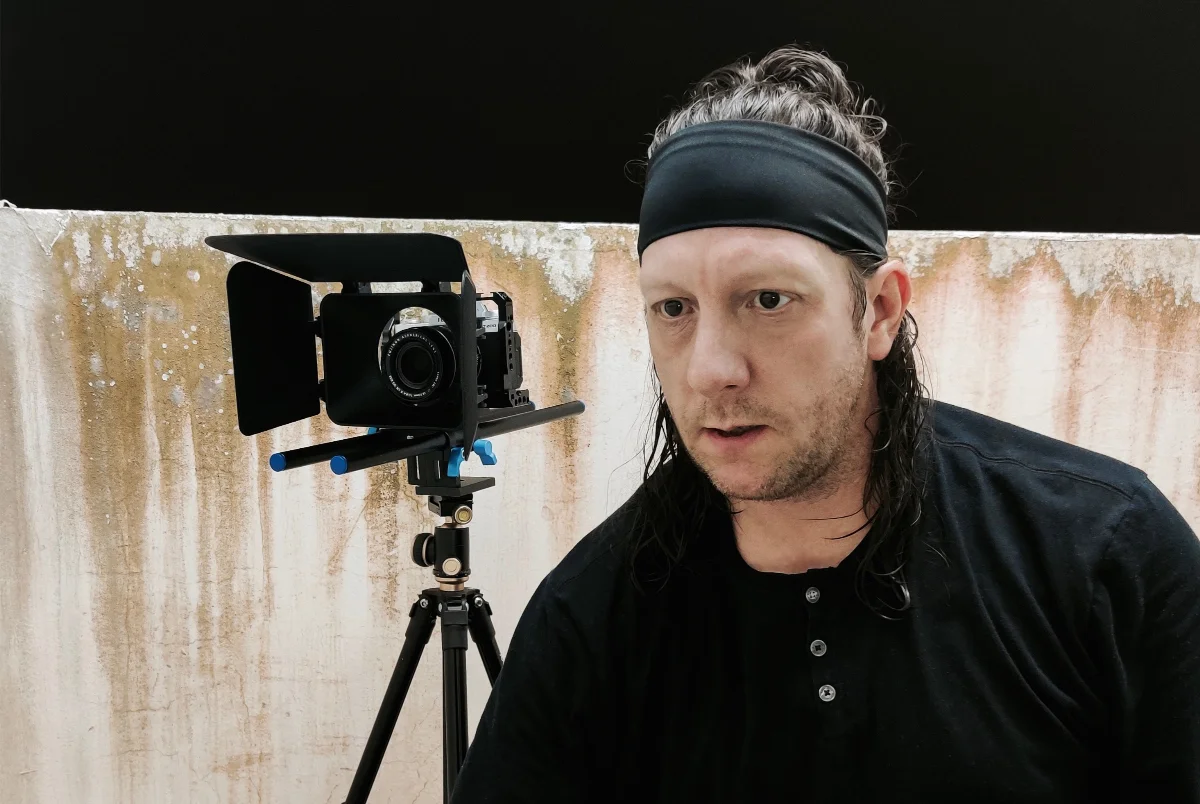


The Heartsmith directed by Scott McQuaid is currently available on Amazon Prime, so after watching the Indie film, I chatted with Scott about the film, being an Indie Filmmaker and more.
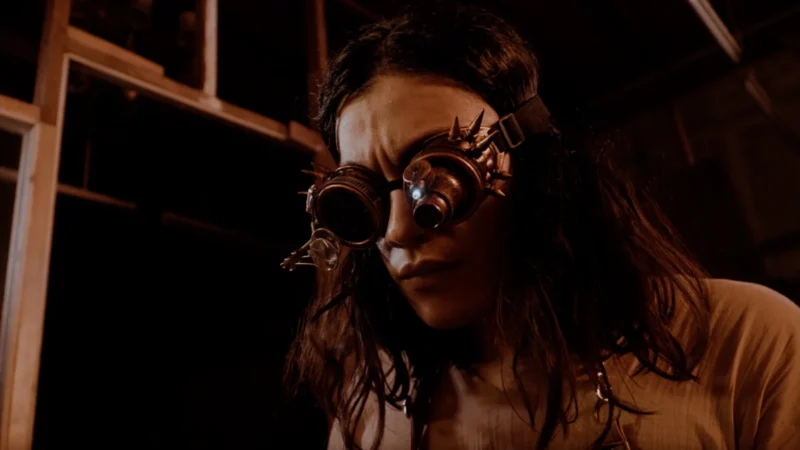
From indie filmmaker Scott McQuaid comes ‘THE HEARTSMITH’ — an untold bedtime story following the simple life and trade of a Heartsmith (Aniq Durar — Pagari Bulan), who spends his days mending the broken hearts of people suffering from sadness, brought to him by the mysterious Umbrella Man (Sylvester McCoy — Doctor Who, The Hobbit).
‘The Heartsmith’, written and directed by Scott McQuaid, went into production in 2023. Shot with a skeleton crew of only four members, the project was originally slated as a 30-day shoot, but as with all aspects of indie filmmaking, the shoot was prolonged throughout most of the year.
Shot on a shoestring budget of USD$15,000 from pre-production to post, the objective of the movie
was to create a small world void of any recognisable time period, allowing the story to take place within
its own framework.
Q&A
What is your process for directing a film?
It all starts with he script, if you got a good script then the rest will follow. The next part would be how you want to interpret the story, how do you want it to look and feel. But as I write my own stuff, that bits done in the writing, so then it’s finding the actors that can capture the characters in the story and that’s so key. There are so many good films I watch and say, why did they cast him or her. Of course, that’s all subjective.
Who or what has been your inspiration to get into the world of filmmaking?
It was the movie, ‘Raiders Of The Lost Ark’, that’s the film that made me ask the question what is a director, and I was very young, maybe seven or eight. So I studied film, by raiding the shelves of my local video store, getting VHS tapes of movies, by Hitchcock, Welles, Sergio Leone, Kubrick, Scorsese, De Palma John Woo, and Spielberg. But those guys work was to unattainable, so then I started to look at indie filmmakers, which of that time was John Carpenter, Sam Raimi and Roger Corman. Their films were low-budget but still really entertaining pieces of cinema, so then being a filmmaker suddenly became tangible.
Being an Indie Filmmaker how would you like to break into the bigger budget productions?
Obviously we all would like to be working with a bigger budget, which allows for wider scope, less restraints, and less stress. But what comes with that is less control, the studio have final say over your picture. You’re ultimately developing something to guidelines, it’s no longer art, or original because it has a strict set of rules to follow. Today’s number one viewing platform is Netflix, well to get your film on Netflix, you need to make a Netflix movie. That’s to say you have to follow their format, so what you end up making is processed, ticking the box, content. Today we are over saturated with imagery and films on these various platforms. However, I believe it’s also the best time for indie filmmakers, because there’s so many streaming outlets, there’s a greater chance of your audience scrolling through movie posters and coming across your film.
How do you work with actors to create the best performances, especially with a seasoned actor such as Sylvester McCoy?
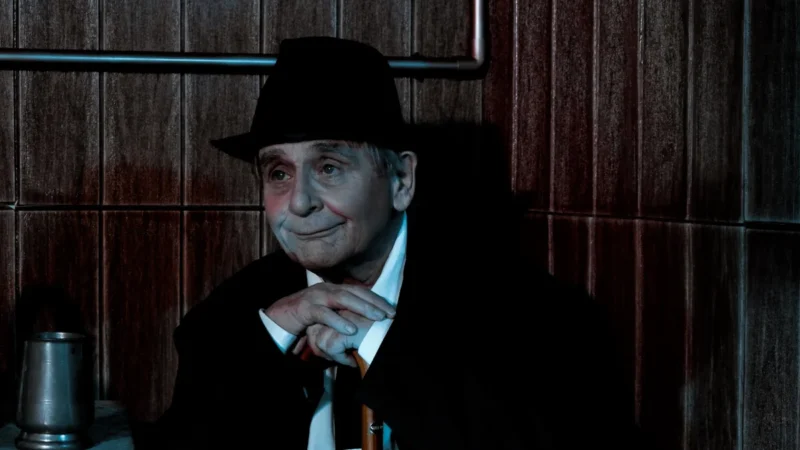
Well, if they’re Sylvester McCoy, I really don’t have to do much, I just point the camera and let him do his thing. As long as the actor understands the scene and how his character fits into the story, then you shouldn’t have too many problems. But for the younger, less experienced actors, I find giving them keywords to mould the performance you want from them helps. It’s not direct instructions, it’s more presenting them with an emotion. So for example, I might say, “the rhyme of the rain outside is keeping you calm, but you’re conflicted in this situation’.
What was your vision for this project?
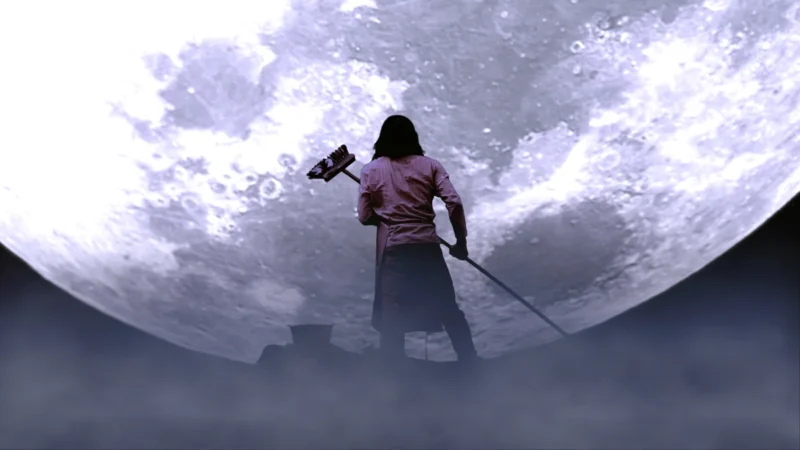
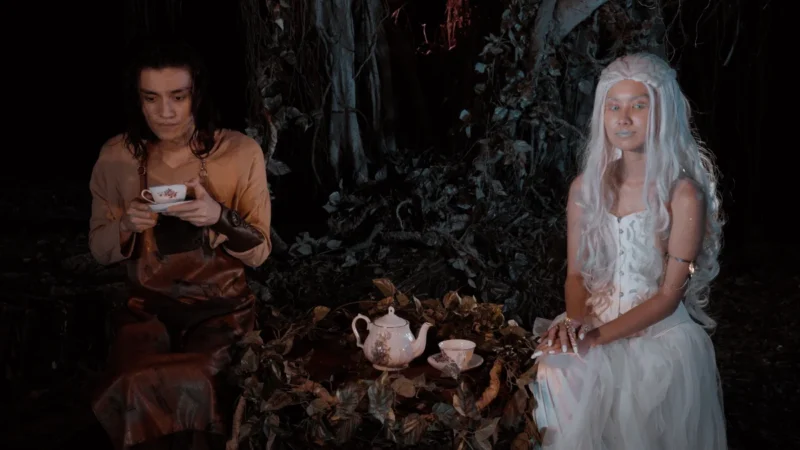
I wanted it to have this bedtime story element to it, but not go too fairy, fantasy on it. It’s very grounded in its approach but then fantastical things happen, which then results in the film being very surreal. It’s also timeless, which is something we worked hard to create. So you can’t pin down the period. There’s smartphones in it, but also landlines and 90’s flip phones. There’s retro television sets, but men in modern suits, while the women in the background are mostly dressed in 1950’s A line dresses. Yet our lead female is dressed in a retro 80’s get up and the lead protagonist is his own thing altogether. He’s also most steampunk.
What techniques do you use to ensure a film is cohesive and flows well throughout the story?
If the script is solid in its structure then most of the work is done for you. As long as you stay on script. Now there’s a saying in the industry, which is ‘never edit in your head’, meaning as you’re shooting a scene don’t edit it, as this may limit you. But I’m always editing in my head, that’s how I see the scene, so that keeps it cohesive because I know that I’m gonna start with a master shot and that’s gonna allow the audience to see where the characters are and what space they control. So for me personally, I have it all mapped out in my head as we are shooting it.
What shots and camera angles do you prefer for particular scenes and why?
It depends on the scene, sometimes the scene requires you to just plant the camera and let the actor do their thing, by having that stillness, you can build a feeling that you want to convey. While other times a bit of movement with the camera can create some urgency, a real-time perspective. I personally like Dutch angles and wide shots that capture the surrounding.
Shooting with such a small crew and budget, how did you tackle any tight timelines etc?
That comes down to your line producing, packing each day with as many setups as possible. My style of shooting is kinda guerrilla filming anyway, and we are usually shooting run and gun, meaning you have no permits to shoot at that location, so you’re shooting fast before somebody comes and taps you on the shoulder.
What tips would you give aspiring filmmakers who are just starting their careers?
Grab a camera and start shooting, stop talking about it. Make sure you’re script is do-able, keep it contained and keep your setups and shots economical, the rest will work itself out.
With The Heartsmith now available on Amazon Prime and AppleTV+, can you give us an insight into any upcoming projects that you may be working on for your next feature?
I’m actually in pre-production for my next picture now. It’s a much more grounded film, compared to The Heartsmith, and it’s being shot in London. So if you see the police chasing a man with a camera through Piccadilly Circus…that will be me.


Karen Woodham is the founder and owner of the Blazing Minds. She is also a Cinema reviewer and works with RealD 3D reviewing the latest 3D releases and IMAX, she has also had several articles published in various publications including the first edition of SFW Magazine. In 2015 she became an Award Winning Blogger and also has her website listed as one of the UK’s Top 10 Film Blogs.