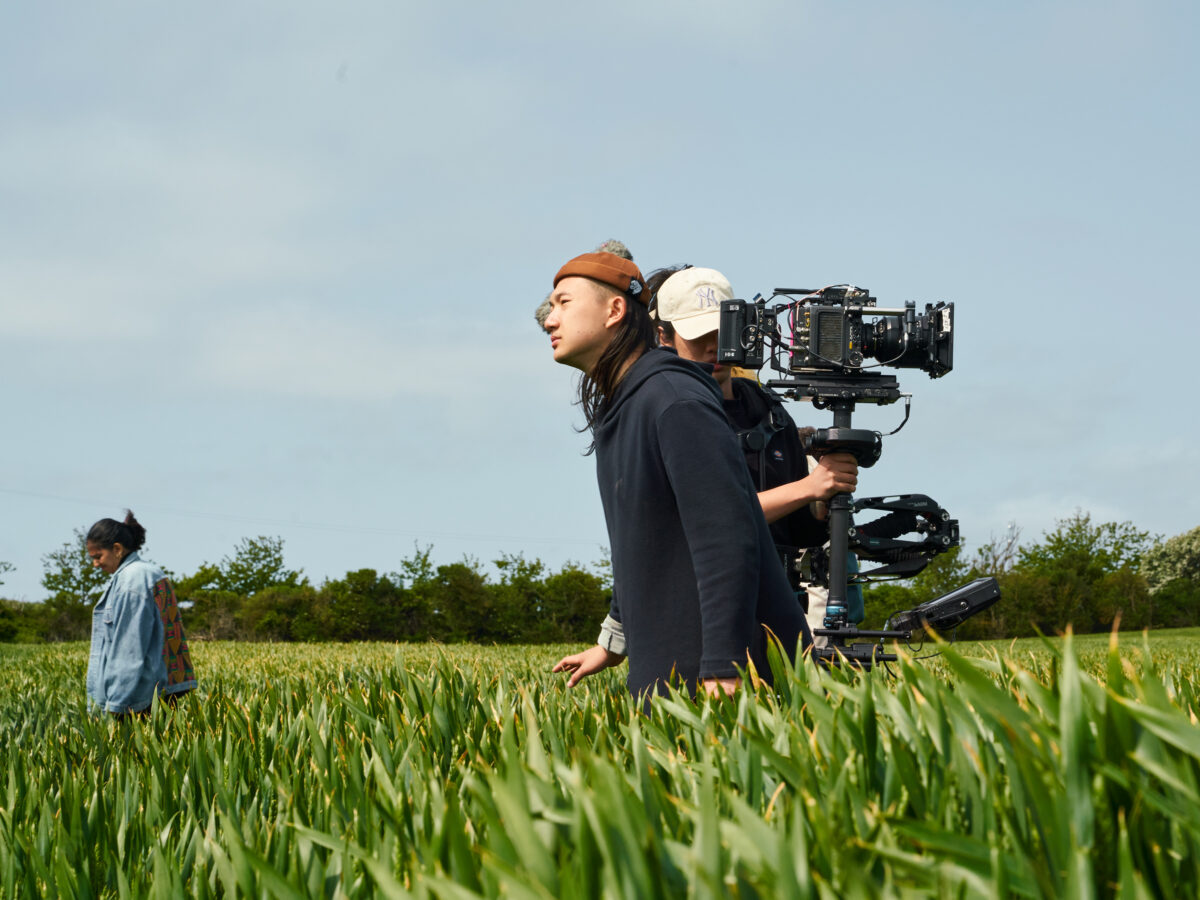


Film: The Lightness of Death
Director: Baysalt Gui
Writers: Baysalt Gui
Actors: James Graeme, Sean Stewart, Simon Polo-Clarke
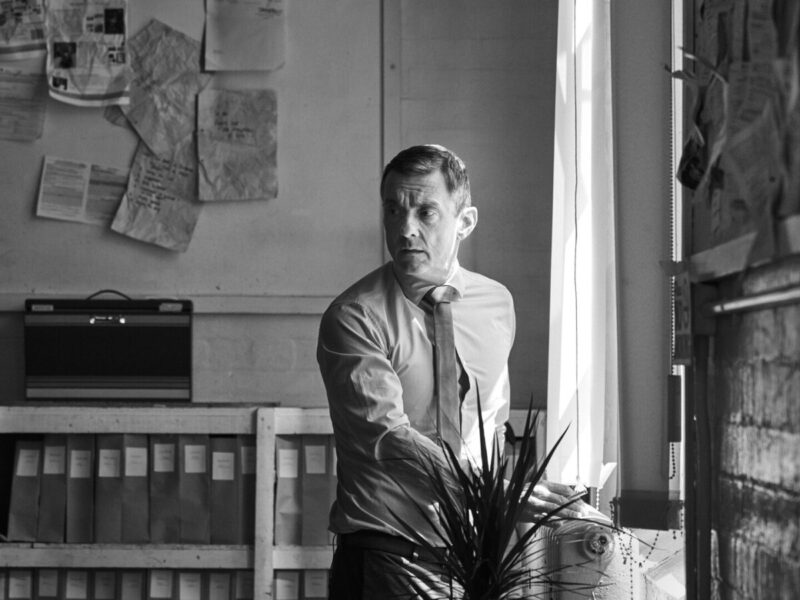
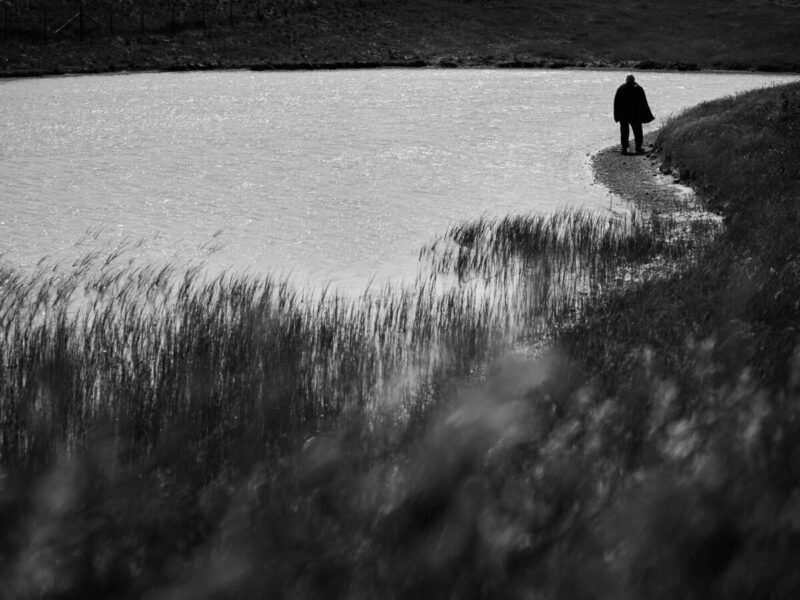
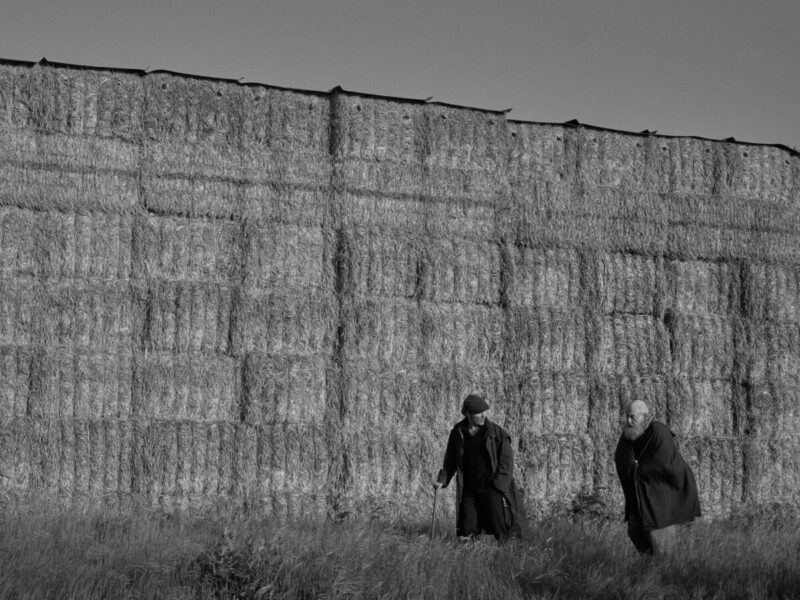
Synopsis: A man with fragmentary memory has been told of his death and his responsibility for the funeral affairs. In this journey, the Man encounters some people, and through them, the meaning of life and death becomes vague to him.
In a new exclusive interview on Blazing Minds ahead of the Southend Film Festival, I got a chance to ask Writer-Director Baysalt Gui a few questions about the film ‘The Lightness of Death‘, Which has been selected to play at the festival.
The Lightness of Death will be playing at the Southend Film Festival on Friday 6th June at 3.30pm
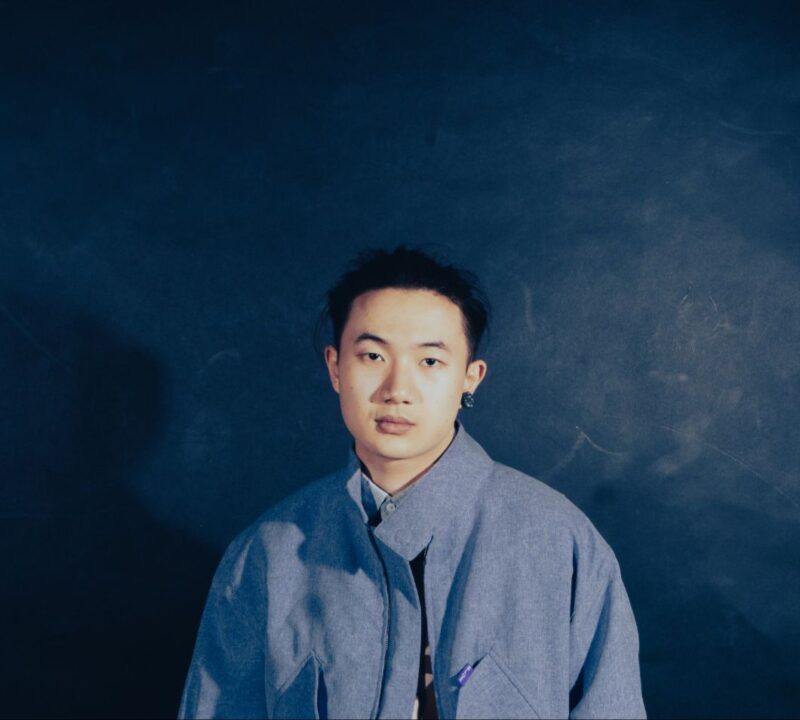
Q. Your film ‘The Lightness of Death’ has been selected to play at the Southend Film Festival. Can you tell us what we can expect from the film?
A. This film doesn’t follow the traditional three-act Hollywood structure where a character faces a dilemma and tries to resolve it. Instead, it invites the audience into a more contemplative experience.
Rather than telling a dramatic story, it holds up a mirror and asks viewers to reflect on their own
understanding of death, what it means to them personally. The pacing is deliberately slow to give
space for that kind of inward reflection, allowing people to sit with the ambiguity and make their own
emotional or philosophical connections.
Q. How did the idea for the film come about and What were your inspirations when writing the script?
A. One thing that really struck me was learning about what happens in the UK when someone dies alone, without family or friends to take responsibility. In those cases, the local council arranges what’s known as a Public Health Funeral. These are very basic funerals, usually unattended, and handled as a matter of public duty rather than personal tribute. The idea that someone’s final departure from the world could be witnessed only by a funeral director, or even no one at all, haunted me.
From there, a thought came to me: what if the person who died isn’t gone yet? What if he’s aware of his own death, arranging everything by himself in total solitude, even without a director? That paradox became the emotional and philosophical starting point of the story.
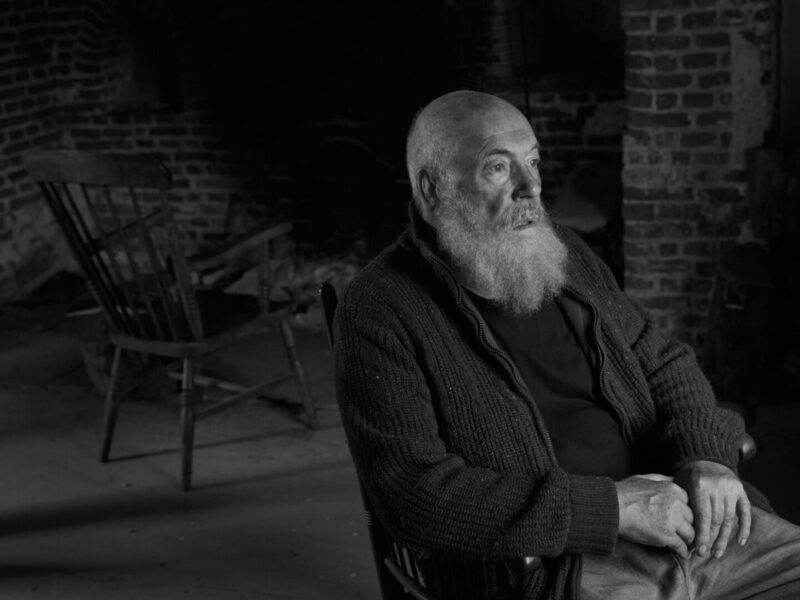
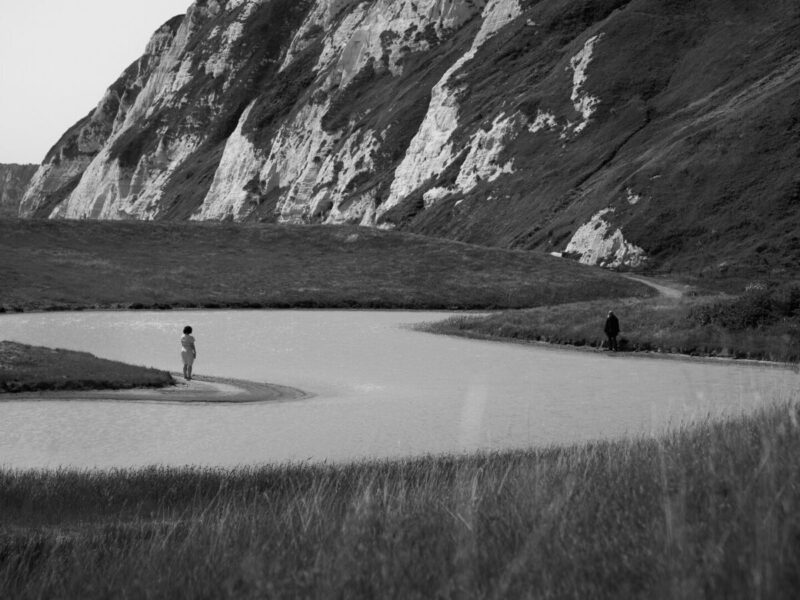
Q. What were some of the influences for the look and style of the film?
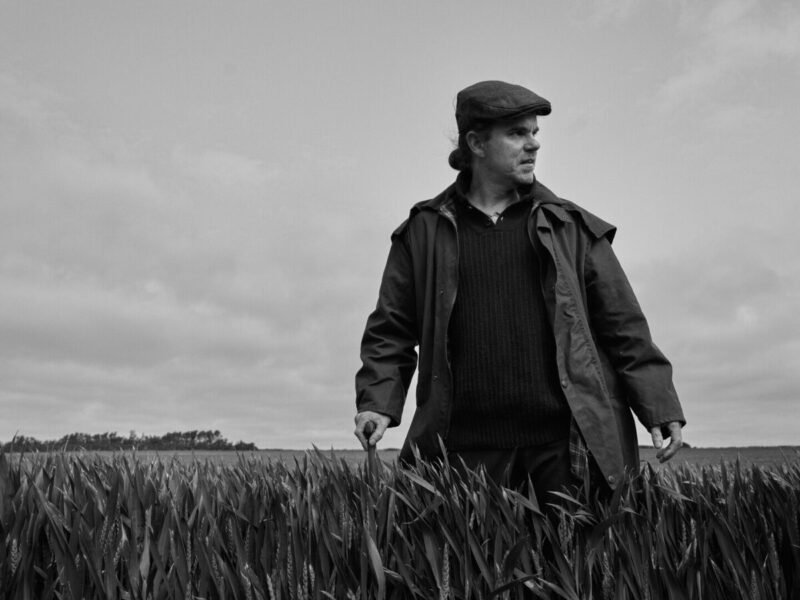
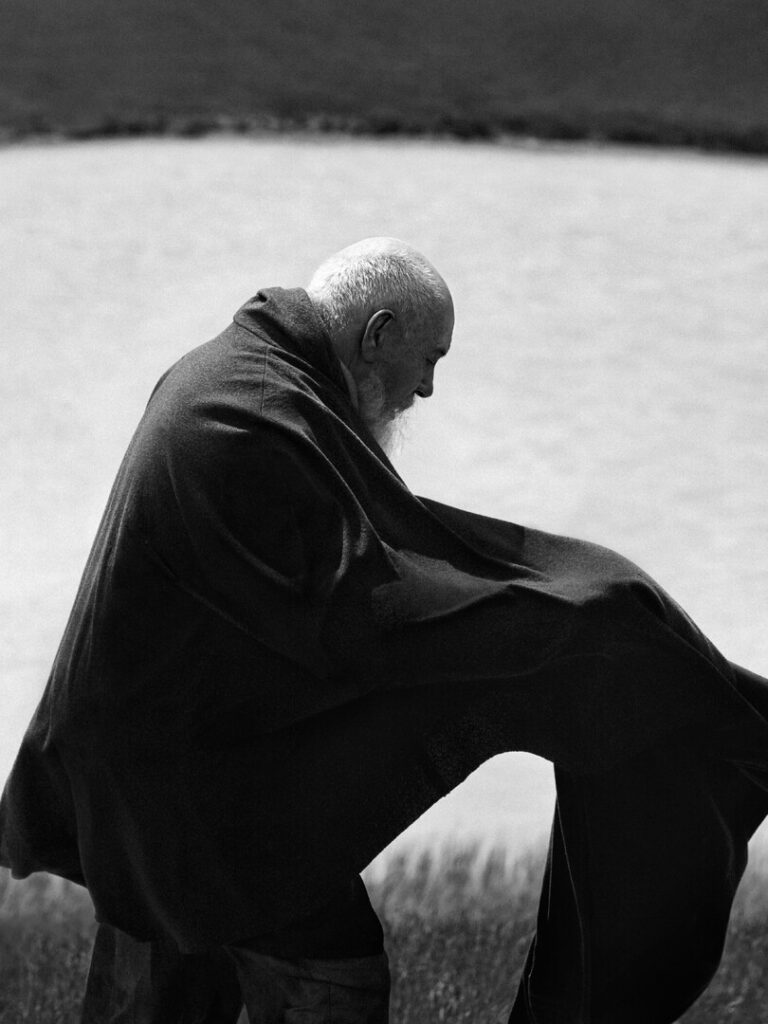
A. Aesthetically, I was inspired by Sátántangó, and Stalker. These films embrace slow pacing, long takes, and a meditative rhythm, something I aimed to carry into my work. I wanted the visuals to feel like a landscape of thought, not just a backdrop for dialogue. And then my DOP brought in this camera language from Once Upon a Time in Anatolia, where, generally speaking, the camera becomes a character.
Q. Where there any elements of the original script which were adapted during filming?
A. Yes, quite a few. While most of the core ideas stayed the same, we ended up shortening some parts and adapting the dialogue during the shoot. I worked closely not only with the crew but also with the actors, who gave amazing input, especially when it came to shaping conversations more naturally.
For example, there’s a monologue by the peasant character that was initially written to be much longer. But right before shooting, I decided to cut half of it to allow space for the audience to breathe and think rather than be overwhelmed by words. Also, I invited the actors to reflect on the script after our table read, and their honest reactions and brilliant suggestions helped me fine-tune certain lines that initially felt a bit off.
Q. What were some of your favourite moments whilst making the Film?
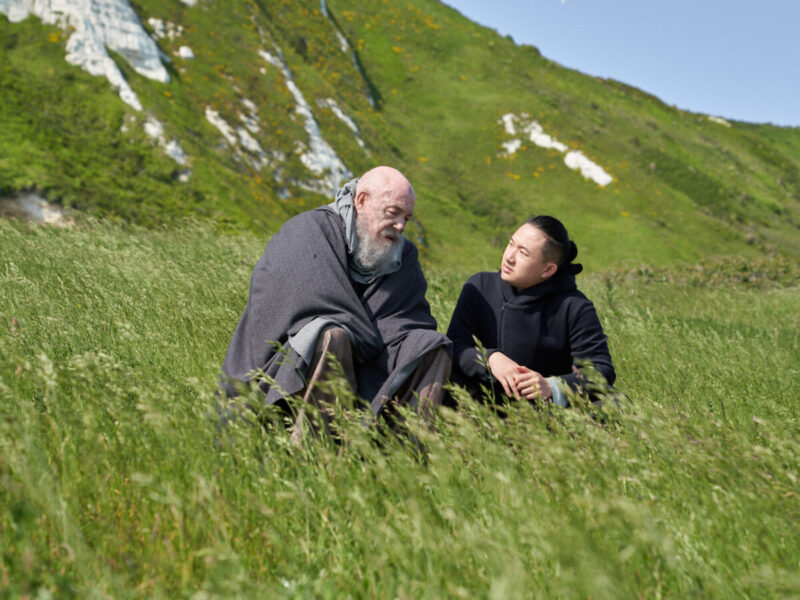
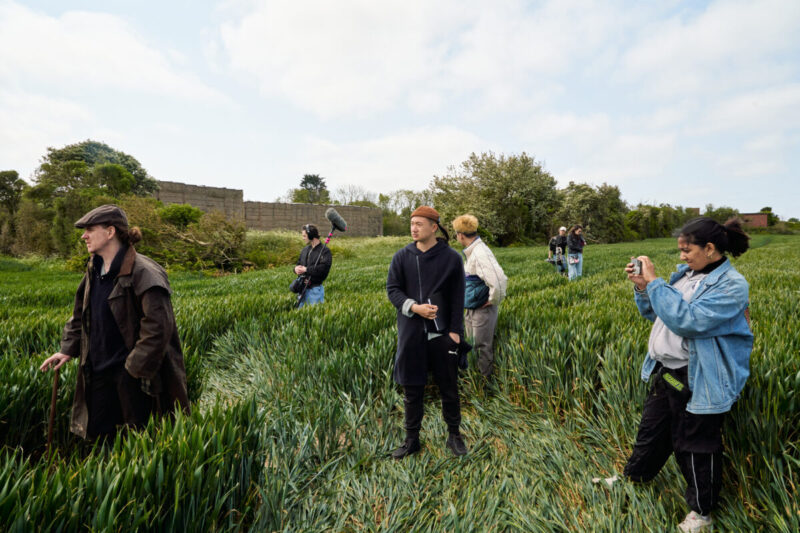
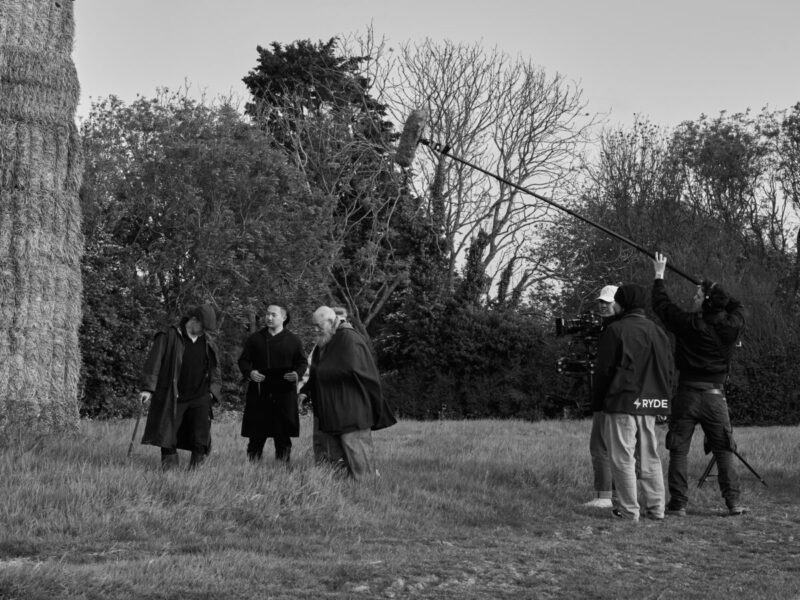
A. There are so many. We shot mainly long takes, one of them is around 5 mins, and in one location, we spent an entire day just for a single shot, doing it over and over again. The light was constantly shifting, so we had to adjust for that between takes, which made things challenging but also magical.
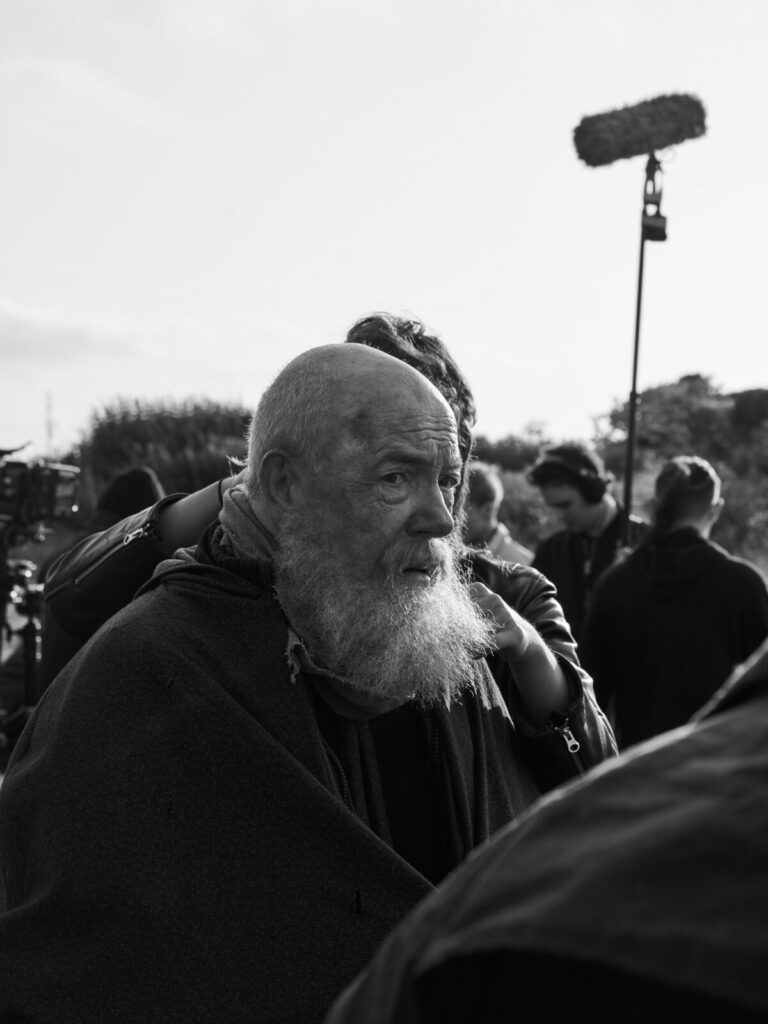
One of the most rewarding moments was when we finally nailed the shot after several failed attempts. Everyone on set could feel it—we had captured something real. I also want to give a shoutout to our Steadicam operator who kept going through the heat and exhaustion to get that last take before the sun disappeared.
That kind of dedication always stays with me.
Q. Did you experience any issues whilst making the film?
A. Definitely. One major challenge was filming a wide shot in a public park in Dover. It’s a beautiful space, but also some people are wandering around. We needed the frame to be completely clear, and it was really difficult to block people from walking through. My producer did her best to manage the location. We eventually found a quiet moment and just went for it. That’s the nature of filmmaking sometimes, you take the chaos and work around it.
Q. What do you hope people will take away from the film?
A. I hope this film prompts people to reflect on how they see death, not as something distant or romanticised, but as something woven into our everyday lives. We don’t always get a warning or a reason. Any ordinary moment can turn out to be final. And that process we have to carry alone, ultimately.
This film is also about fragility, solitude, and how people search for meaning in moments of absence. don’t have one fixed message I want to deliver, I’d rather it sparks individual thought. Maybe it makes someone feel seen, or maybe it helps them think about death from a new perspective. Either way, I want it to linger.
Q. Do you have any other projects which you are working on?
A. I’ve just completed a documentary titled Hide and Seek, which is currently on the festival circuit. The film follows two long-lost Ukrainian friends as they reunite in Germany after being separated by the full-scale invasion of Ukraine. Through their conversations and personal reflections, the documentary explores themes of displacement, identity, and the emotional toll of war on young people.
We’re actively working to bring the film to wider audiences. People can find more about the film on its Instagram page: https://www.instagram.com/hideandseek_documentary/
Q. If someone is looking to direct their first film, what advice would you give them?
A. I don’t have advice exactly, but I do have a suggestion, which is something my former teacher Kit once told me, and I’ve carried it with me ever since: don’t wait. There’s no better time than now. Every stage of your life gives you a different understanding of what a film means. If you delay making a film, it may no longer be the film you once envisioned, it’ll become something else. So trust that instinct and make it happen, I would say.
The Lightness of Death will be playing at the Southend Film Festival on Friday 6th June at 3.30pm.
You can find out more about writer-director Baysalt Gui on the Website and follow The Lightness of Death on the Instagram page
You can find out more about the festival and purchase tickets for The Lightness of Death here

Published in various websites, Philip is a reviewer who is best known for his interviews and media coverage of independent projects including; films, books, theatre and live events. Always on the lookout for something different to cover!