

Director: Trevor Graciano
Writer: Trevor Graciano
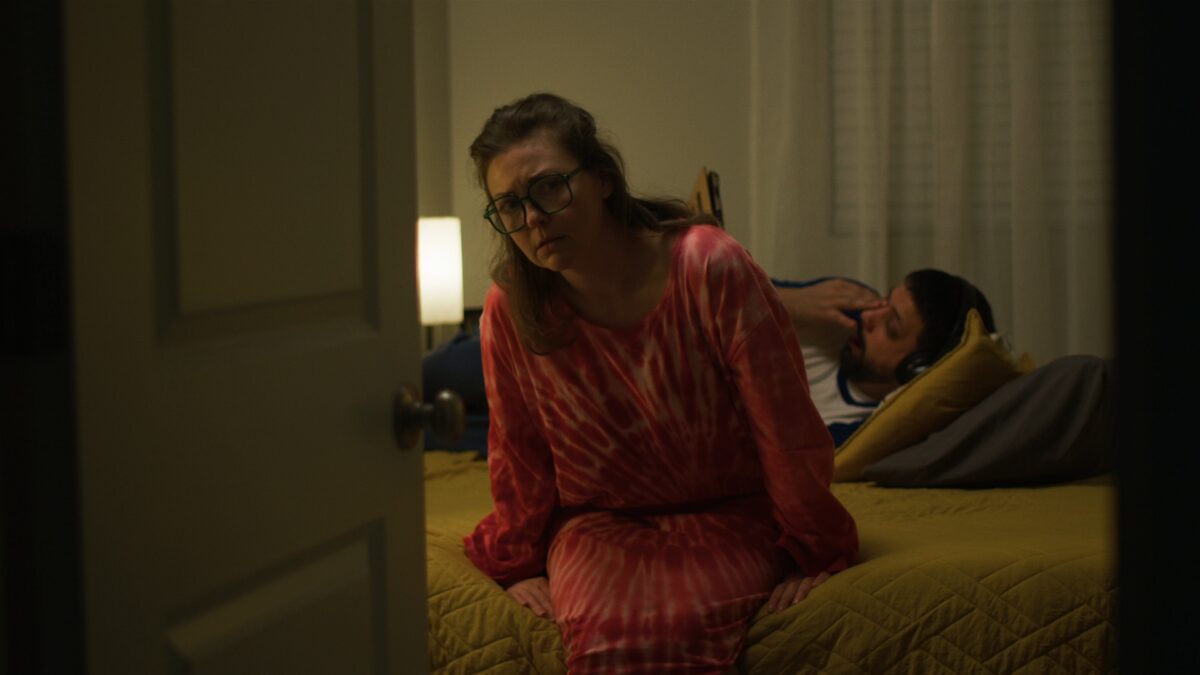
Starring: Whitney Garner, Cody Parr, Jim Close
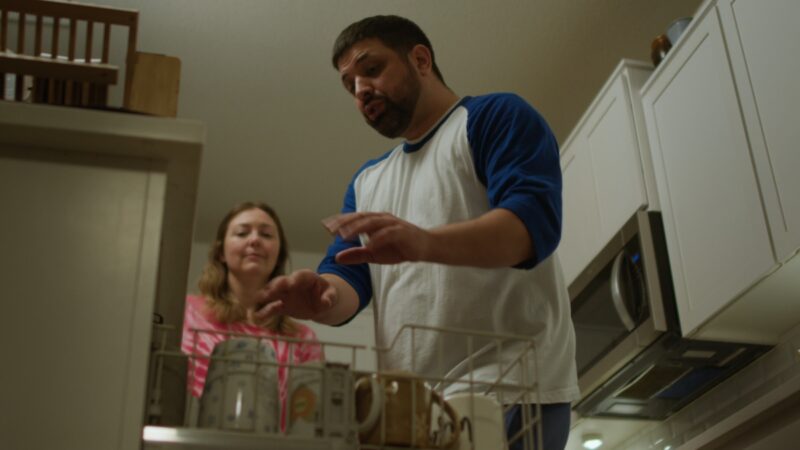
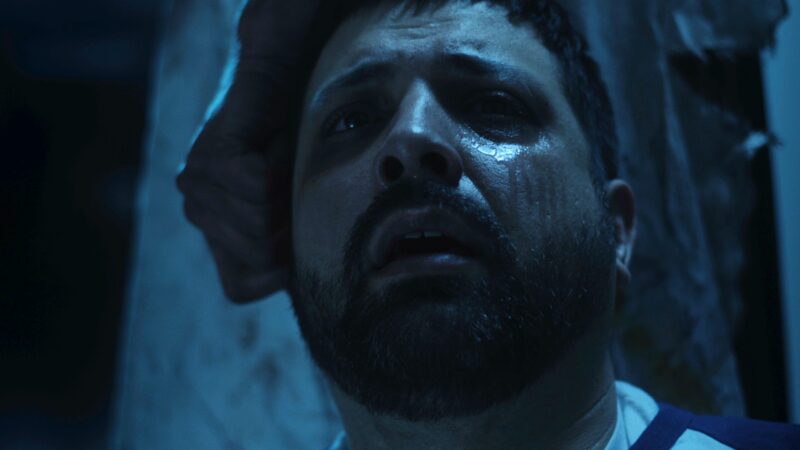
Synopsis: A playful couple test their household chore habits and unknowingly summon a vengeful presence.
In a new exclusive interview for Blazing Minds, ahead of this year’s Dead and Sudburied Horror Festival, I had the opportunity to speak with writer-director Trevor Graciano about his latest film, Scullion, which will screen at the festival on Saturday 24 October at 2:30 pm.
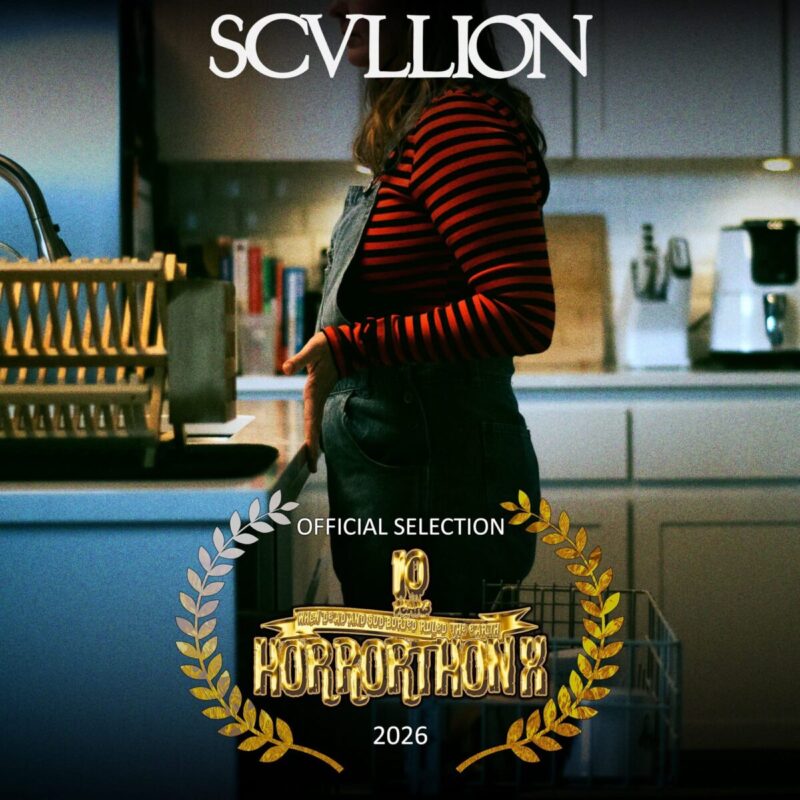
Q. Your film Scullion has been selected for Dead and Sudburied. Can you tell us a bit about what audiences can expect from the film?
A. Scullion is an appliance-horror nightmare about the consequences of letting go of ingrained habits. It’s gross, it’s scary, it’s funny, and it’s very relatable.
Q. For anyone who doesn’t know your work yet, can you tell us a little about yourself and how you first got into filmmaking?
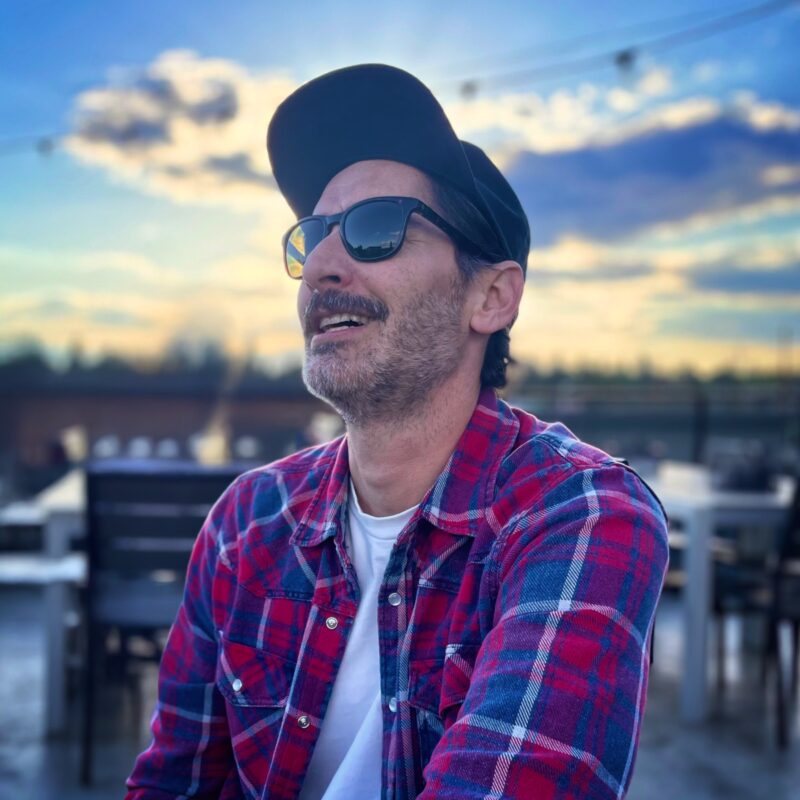
A. I’ve been making movies since the camcorder days of the late 80s. Whether it was acting, makeup effects, or running the camera, my friends and I filled an endless stack of VHS tapes with creatively fuelled genre gold. Fast forward thirty years and
I’m still doing the same thing on a slightly more professional scale. While I never stopped expanding my creative portfolio over the years, Scullion is my first produced film in fifteen years.
Q. How did the idea for the film come about?
A. The fundamentals of dishwasher etiquette and efficiency is a hot topic in the Graciano kitchen. I definitely rule the dish loading with an iron fist and threaten dire consequences for those that go against my system. That said, it’s been nearly twenty years and my wife and kids still don’t adhere to my method. Scullion serves as the ‘what if?’ to this ongoing crisis.
Q. What inspired you when writing the script?
A. Other than the Graciano efficiency system noted in the previous response, I found the story to be a reflection of my own upbringing. Like the character Greg, I too was raised with “systems” in place that shaped my teen years and early adulthood. Some
were beneficial and some were not. I still find that many of those traits linger in ways I don’t welcome. Scullion gave me a canvas to explore what this means to me now and how to process it.
Q. What are the biggest advantages and challenges of being both the writer and the director on the same project?
A. The advantages of being writer/director is you don’t have to wait around for someone to write a script for you to produce. The disadvantage is writing is a lonely and challenging task, so I don’t write enough to match the rate at which I’d like to be making films.
Q. What were some of your influences for the look and style of the film?
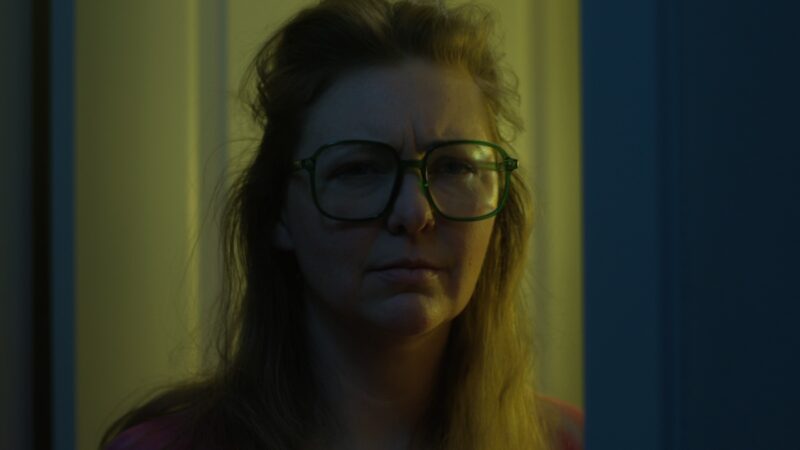
A. Films like Pet Semetary (1989), Candyman (1992), and Jacob’s Ladder (1990) were a huge influence on Scullion. I’m a big fan of late 80s and early 90s horror films. They have a very specific aesthetic that almost feels like nobody involved was really a master at their craft; just limited resources making it work. The films are polished, but they’re not chasing that “cinematic” look. Instead of every frame a painting, you get the occasional gem that stands out, kind of like a splash page in a comic book.
Q. Did the script structure of the film change from the original concept during filming?
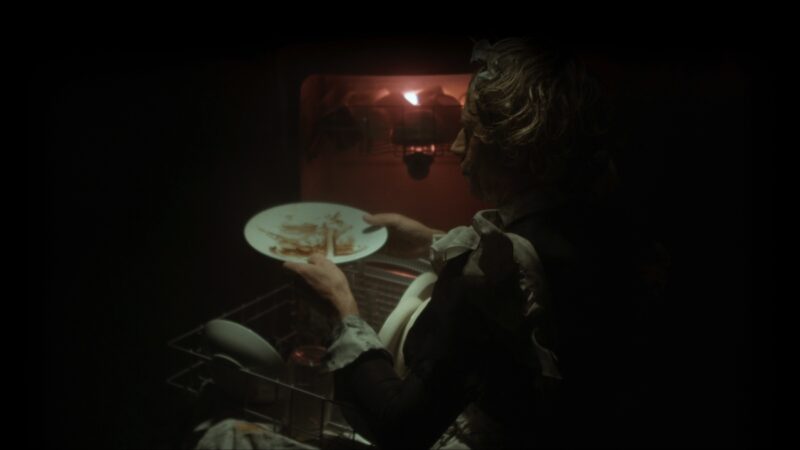
A. The structure definitely changed. In the script there’s quite a bit more of the maid. I removed a short sequence before production, so it was never filmed. The reveal was shot differently and the cut in the final film was our safety. We had actually
attempted a pretty technical camera move in a very confined space. We did get one take that was pretty solid, but ultimately we felt “less was more,” so that shot ended up on the cutting room floor, and I believe it’s a better movie without it.
Q. How did you go about casting the film, and did they bring anything different to how you envisaged the characters in the original script?
A. I live in a small mountain town where I’m one of maybe three narrative filmmakers, but we do have a thriving theatre community. So, I joined several shows as an actor, using that time to scout for talent, eventually finding Whitney and Cody
in two separate productions. My friend Jim, who has a perfectly chiselled appearance, not unlike a 15th century servant, plays the maid and is also my set builder. All three actors exceeded my expectations of what was written on the page.
Q. What are some of your favourite memories from making the film?
A. Our final day of filming was the blood day. We reserved this half day of production exclusively for the dousing of our actor on a “soundstage” in my garage. We had done several tests, so we knew mostly what to expect. We used 8 gallons of fake blood and two pool pumps to engulf our victim. The fountains of blood went off as expected and were highly satisfying. However, several spurts managed to breach the plastic wrap encasing and vandalize my garage walls and ceiling. Regardless, it was a nice keepsake and a great way to wrap production.
Q. What were the biggest challenges you faced during the shoot, and how did you overcome them?
A. The biggest challenge was the multi-subject panning shot we scrapped. My 1st AC and I were wedged between a wall and a bed with very little room to manoeuvre the tripod arm. We panned from our first subject, scanned the room, did a tripod handoff at the midpoint, pulled focus on our subject, then panned back across the room again, did a second tripod handoff, then panned back to the middle of the room to our third subject. I think we did about seven takes. I had to do a post-stabilization to get our best take usable for the edit.
Q. What makes Scullion stand out from other films in the horror genre?
A. I think it stands out because it’s a ridiculous, over-the-top concept that’s grounded by a relatable, human interaction, which is then violently interrupted by an iconic killer.
Q. What do you hope people take away after watching the film?
A. Scullion doesn’t ask much of the audience, but there’s more to explore if that’s your thing. Ultimately, I hope they have a good time and find the ridiculous-ness of the concept something that lasts long after the credits roll. I also hope they learn to maximize the space in their dishwashers. [wink-wink]
Q. Do you have any other projects which you are currently working on?
A. I’m currently in pre-production on a short horror-comedy I describe as a flatulent love story. There’s a very fun creature, lots of gross gore, and another grounded story at the centre with lots of heart.
Q. If someone was looking to get into filmmaking, what advice would you give them?
A. Ask for help. Doing it all yourself is rewarding and very educational, but it’s not really sustainable. Besides, making films with friends is fun.
Q. Where can people follow you and keep up to date with the film?
A. You can find me on the ‘gram via @tcgraciano and @scullionfilm
Scullion will screen at the festival on Saturday 24 October at 2:30pm. You can find out more about the festival and purchase tickets for the festival here.

Published in various websites, Philip is a reviewer who is best known for his interviews and media coverage of independent projects including; films, books, theatre and live events. Always on the lookout for something different to cover!