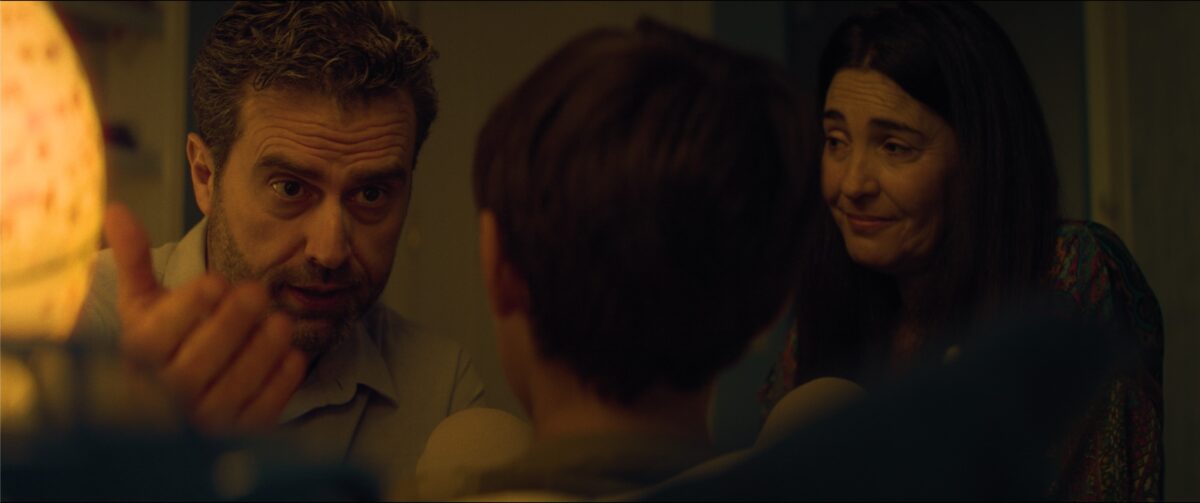


Director: Luis Casanova
Writer: Luis Casanova
Starring: Alejandro Navamuel, Alejandra Mayo, Noé Famoso
Synopsis: Dani, a ten-year-old boy, is convinced that the toilet in his house is alive, but his parents refuse to believe him. Tired of Dani’s constant insistence, his father decides to take matters into his own hands — a decision he will regret for the rest of his life.
In a new exclusive interview for Blazing Minds, ahead of this year’s Dead and Sudburied Horror Festival, I had the opportunity to ask writer-director Luis Casanova about his latest film, Ceramic Nightmare, which will screen at the festival on Sunday 25th October at 5:45pm.
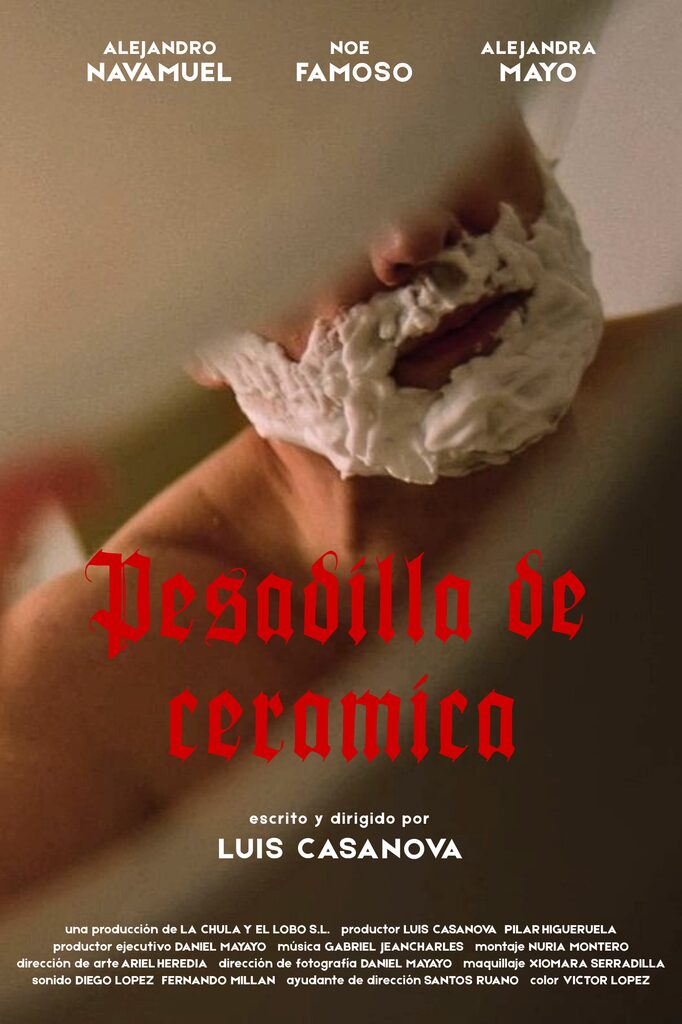
Q. Your film Ceramic Nightmare has been selected for Dead and Sudburied. Can you tell us a bit about what audiences can expect from the film?
A. The audiences can expect a good time and blood, not as much blood as I would have like, but a decent amount.
Q. For anyone who doesn’t know your work yet, can you tell us a little about yourself and how you first got into filmmaking?
A. I’m 24 years old and currently live in Madrid, but my journey in filmmaking began when I was 13, after joining the Joaquín Benito de Lucas Film and Theatre School and starting to make my own short films. I studied Audiovisual Communication and completed a Master’s degree in Screenwriting at Rey Juan Carlos University, a public university in Madrid. Since then, I’ve never stopped making short films. My last three shorts (The writer and the cabin in the woods, Static and Ceramic nightmare) have all been selected for the Sitges Film Festival.
Q. How did the idea for the film come about?
A. I wanted to come up with the most absurd premise possible and present it in the most serious way possible. I also wanted to make my first film focused on gore, a subgenre of horror that I find particularly appealing.
Q. What inspired you when writing the script?
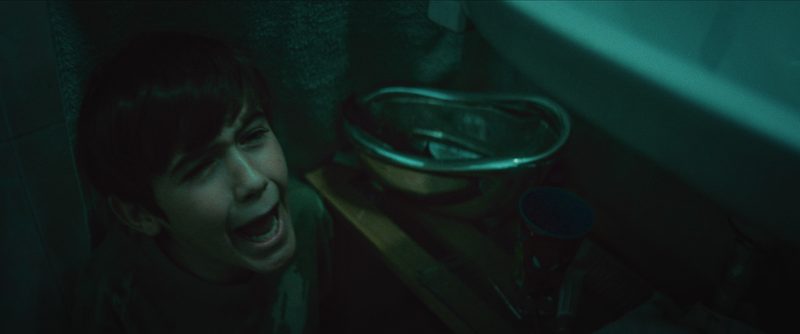
A. My main inspiration was the stop-motion filmmaker Lee Hardcastle and his two short films about killer toilets, although you’d be surprised by how much stuff about killer toilets is out there. Other than that, I took inspiration in other works about killer inanimate objects, like Rubber, Christine or the Killer Bed.
However, I wanted to distinguish my killer toilet from these other films in terms of how it kills people. I didn’t like the idea of these objects having psychic powers that allowed them to kill, as I found it unrealistic. I thought it would be better, and
cheaper, to have the toilet kill people hands-on, using only its various parts and whatever it has within reach.
Q. What are the biggest advantages and challenges of being both the writer and the director on the same project?
A. One of the biggest advantages of being both the director and the screenwriter is that the image you have in your head while writing is the same, or at least very similar, to what you ultimately want to achieve on screen. The downside is that if things don’t turn out the way you envisioned them, you’re the one primarily responsible. Similarly, you have a great deal of creative control over the project, but being so close to the script might prevent you from seeing certain things as a director that you would otherwise notice if you were working on someone else’s script.
In any case, I think the most important thing in these situations is to avoid what you might call a narcissistic attitude and to be willing to listen to and accept criticism.
Q. What were some of your influences for the look and style of the film?
A. I think this would be a good question for Daniel Mayayo, the cinematographer, as he was the one who gave the script its visual form. Nevertheless, my main influences were B-movies and gore films as well as films about killer inanimate objects, since I wanted to make my own small contribution to the genre.
Q. Did the script structure of the film change from the original concept during filming?
A. No, I didn’t make any structural changes to the script during filming.
Q. How did you go about casting the film, and did they bring anything different to how you envisaged the characters in the original script?
A. It was all thanks to my good friend Agustín Ustarroz, who starred in my other two horror short films. He put me in touch with his agent, Olga Llorente, and thanks to her, I was able to cast the actors and actresses I ended up working with.
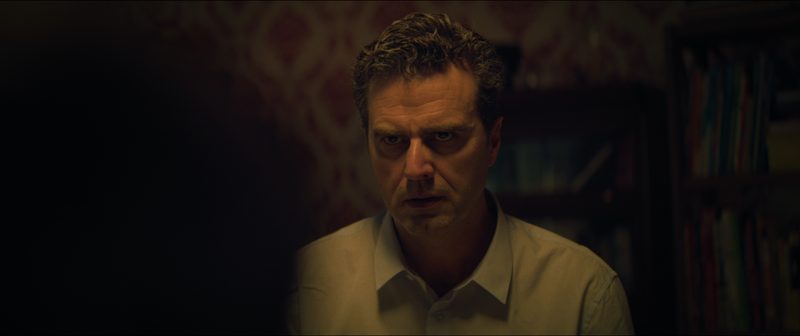
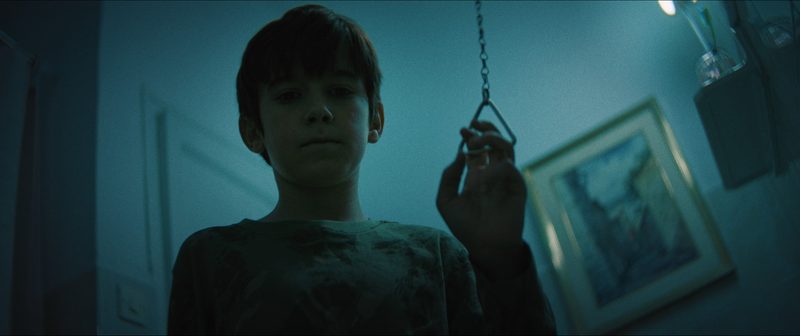
As Robert McKee once said, it’s important to leave room for the actors to bring something of their own to the characters we create, as they’re the ones who make them unique. In my case, all the characters turned out pretty much as I had originally envisioned them, but I have to give a special mention to Noé Famoso’s performance as the boy. I hadn’t expected his performance to feel so natural or be so impactful, and I think that’s largely thanks to Noé himself.
Q. What are some of your favourite memories from making the film?
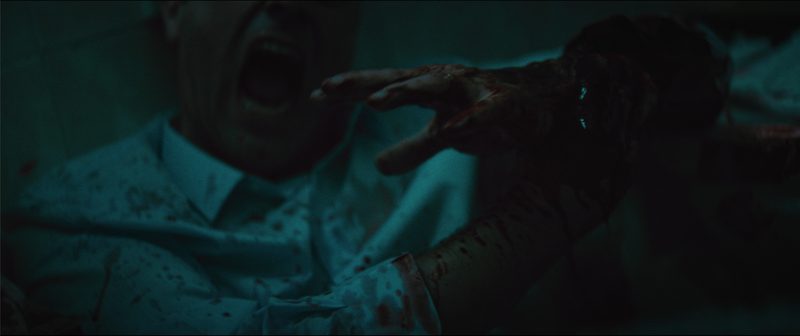
A. Without a doubt, when we have to make the scene where we had to cover the entire bathroom in blood. I didn’t expect it to turn out so well, although I was the one who had to clean it all up afterwards…
Q. What were the biggest challenges you faced during the shoot, and how did you overcome them?
A. The blood scene took up quite a bit of our time because, while setting it up, we realised that we might have been able to make better use of our time and work more efficiently if we had approached it differently. However, by that point, it was too late to change our plans, so we had to work against the clock. Alejandro Navamuel, the actor who plays the father, describes it as a shared determination across the entire team that helped us get everything right pretty much on the first try.
Q. What makes Ceramic Nightmare stand out from other films in the horror genre?
A. What sets it apart from other films is that the antagonist is a killer toilet and, contrary to what people might expect, the film doesn’t play it for laughs. Not explicitly, anyway. Instead, everything is treated very seriously, and I think that throws the audience off because they don’t know how to react: whether they should be scared or laugh.
Q. What do you hope people take away after watching the film?
A. It’s pretty much what I said before. I hope people enjoy the short film and come away with a great memory of it, something that stays with them long after they’ve watched it.
Q. Do you have any other projects which you are currently working on?
A. Right now, I have quite a few projects on the go. I have two short films that move away from horror and are currently looking for funding, as well as another horror short already written that would explore body horror, something I’m really excited to try. On top of that, I have a film screenplay finished, and two more films that I still need to write.
Q. If someone was looking to get into filmmaking, what advice would you give them?
A. Just keep making things. That’s the most important thing. You don’t need money to make a good short film; you need passion and to surround yourself with people who know more than you do and share that same drive to create.
Q. Where can people follow you and keep up to date with the film?
A. They can follow me on Instagram, my name is @luis.casanova01, and my portfolio.
They can see my others short films on Vimeo like Static and The Writer and the Cabin in the Woods
Ceramic Nightmare will screen at the festival on Sunday 25th October at 5:45pm. You can find out more about the festival and purchase tickets for the festival here.

Published in various websites, Philip is a reviewer who is best known for his interviews and media coverage of independent projects including; films, books, theatre and live events. Always on the lookout for something different to cover!