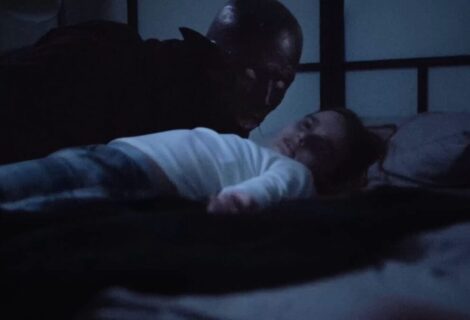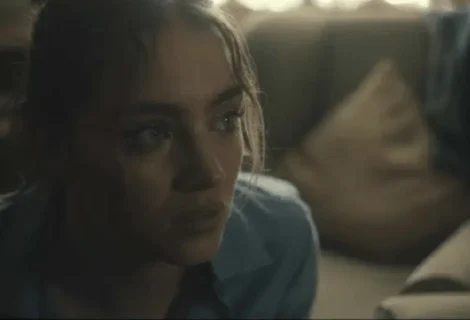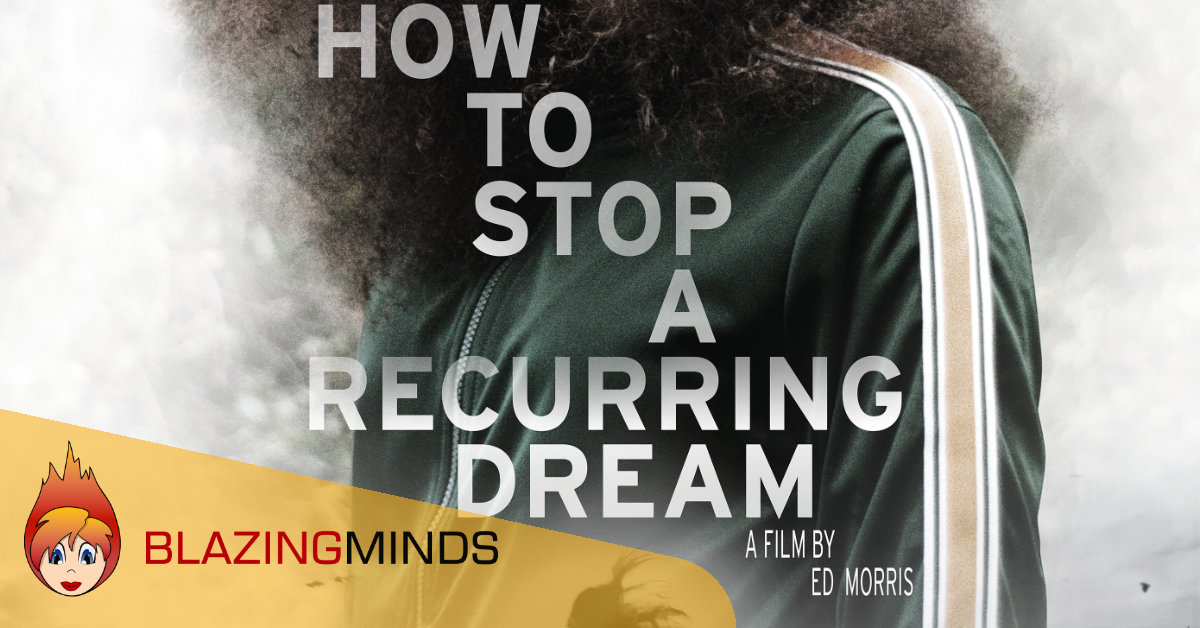


HOW TO STOP A RECURRING DREAM, the feature film debut of British writer-director Ed Morris, and starring Ruby Barker (Marina Thompson in Bridgerton), will be released across UK digital streaming platforms on 9 March 2021. The film won both Best Feature and Best Actress awards at December’s British Urban Film Festival.
Exploring themes of separation and loss, this dreamy trip takes place over a weekend in the lives of two sisters whose relationship is being tested to its limit. After Mum and Dad announce an imminent, split- custody separation, Yakira – the oldest daughter – kidnaps her younger sister and takes to the road, in an attempt to reconnect before they part.

The film’s lead, Ruby Barker, has recently become a breakout star following the huge success of Netflix’s Bridgerton. Writer-director Ed Morris is a director of commercials and music videos for such bands as Massive Attack, and is best-known for the now-banned documentary This Is Not – An Interview with Tony Kaye, an intimate conversation with the American History X director, whose eccentric stunts while working in Hollywood earned him a reputation for controversy within the studio system.
HOW TO STOP A RECURRING DREAM is produced by Polly du Plessis, with TV and radio presenter Edith Bowman as executive producer. The film features original and previously released music from Ibeyi, the Afro-French Cuban musical duo of twin sisters Naomi and Lisa-Kaindé Díaz, who meld elements of Yoruban music with modern jazz, soul and hip-hop.
Blazing Minds caught up with Ed Morris to chat about How to Stop a Recurring Dream.
Q. How to Stop a Recurring Dream is released on all digital platforms in the UK on 9 March, 2021, what can we expect from the film?
A female hero. Great acting. A thrill ride. A tear or two. Some thought provoked. An hour and a half of entertainment. You can expect the unexpected, something out of the ordinary. A film you couldn’t get made conventionally. You can expect a story that plays with the boundaries of genre and a pallet of styles that combine to make something fresh and new.
Q. What were your inspiration when writing the script for the film?
I lost my wife and was left with two young children to bring up. I wanted to make something that helped young people, any people face the subject of loss and grief. I wanted to help people realise that pain is something that can’t be turned away from, buried, it must be lived through, integrated. Then we become bigger, we move on. But, I wanted that message to live and be carried in something that was deliberately entertaining, that gave back to the viewer on all levels.

Q. This is your first feature film as a director. Why dd you choose How to Stop a Recurring Dream as you debut feature?
It chose me. It’s made up of a number of things that had been circling ever closer for some time. But I knew I wanted to take realism and push it in to an odd place, to overstep the line into mystery and otherness.
Q. The film brings together an impressive cast, did you have any of the cast in mind when writing the script?
Not at all, I started casting and was just drawn to people. You know as in people who’s heart was in the right place in regards to the project and the characters to be portrayed and the intention.
Q. What were your influences for the look and style of the film?
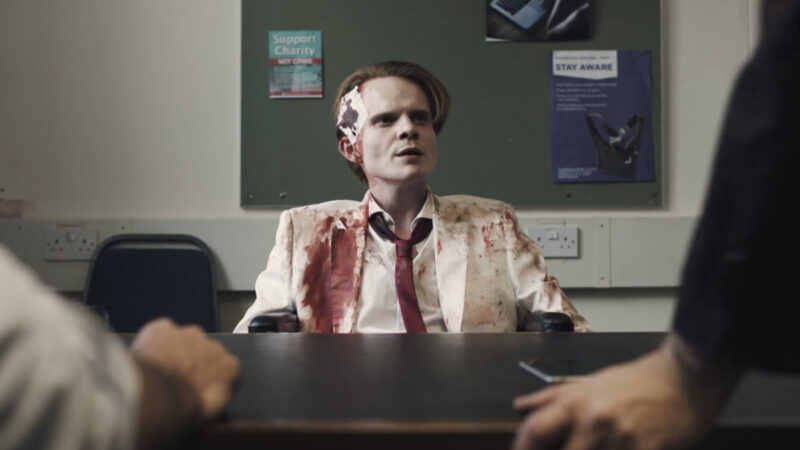
All sorts, but the film is a lot of short scenes, shards, glimpses woven together to form a kind of psychological mandala or fractal that build as it goes to convey a sort of underlying plot or intention or singular point. American Beauty does this, on another level, but it was certainly an influence.
Q. What were some of your favourite moments during filming?
It’s a hard question to ask because when you write the script you have favourite moments, and then after filming it that all changes, some of your favourites you hate and other moments you never anticipated become magical or prominent contributions to the overall film. I like the way Kelly’s revealing of her dream in the car came out. I like the way Ruby did the descending in to the dreams on the small wooden steps. I like a lot of the cuts and how the editing built energy and pace towards the end. That was all discovered in the process.
Q. Did you make any changes to the original script during filming?
Yes, a fair few. I came up with the title while shooting. We had a working title that wasn’t right and when I wrote How to stop a Recurring Dream down on paper that was it, it just went boom. It changed everything for me, it focused everything. Then I wrote and shot another dream sequence to accommodate that.
Q. The film has several memorable moments, which despite being quite simple have a real emotional impact thanks to the cinematography and editing. What were some of your favourite scenes in the final film?
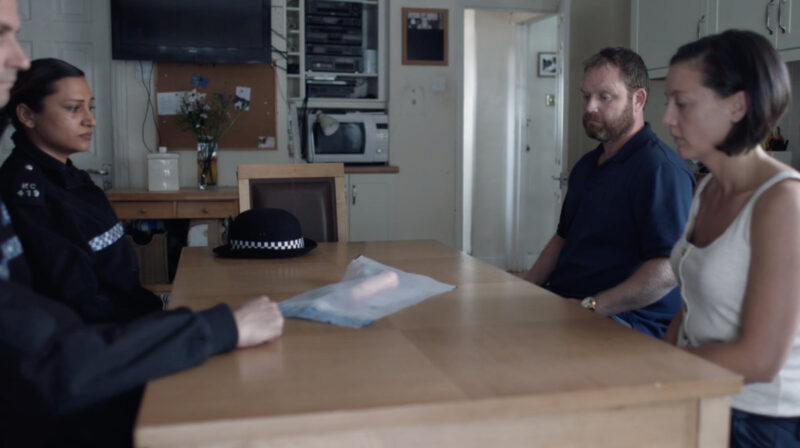
The girls meeting at the church, that could have gone so wrong but it just happened effortlessly. The scene around the table, the family argument, that was just about the only scene that I had crystal clear in my head going in.

Q. In addition to the haunting score by Nikolaj Torp Larsen which is used beautifully throughout to reflect the emotions and psychological torment that the characters are going through, the film also includes several songs by Ibeyi. Were these written specifically for the film and if so what was the process.
Ibeyi wrote the theme track Recurring Dream for the film. I have a very good working relationship with Ibeyi, and have done lots with them so it was effortless. Lisa and I had various chats about the film and its music. She wrote a couple of things, and we kept pushing it. When she finaly played me Recurring Dream I just though it was wonderful. The other ibeyi tracks were from previous albums but were never released as singles. XL records release all three tracks together at the same time as the film.
Q. What do you hope people take away after watching the film?
That all difficulties or tragedies place before us a kind of emotional mass. The choice you have is to carry or climb this mass. You either chose the weight of it or the view from its summit.
Q. Do you have any other projects which you are currently working on?
Yes, I’m writing a screenplay for Tony Kaye, director of American History X, and i’m trying to finish two screenplays of my own.
Q. If someone was looking to write and direct their own film what advice would you give them?
Reach in deep and mean it, because it’s a long process and if you don’t find real motivation, real meaning and expression you’re going to struggle getting through it.
How to Stop a Recurring Dream will be released across UK digital streaming platforms on 9 March 2021.

Published in various websites, Philip is a reviewer who is best known for his interviews and media coverage of independent projects including; films, books, theatre and live events. Always on the lookout for something different to cover!