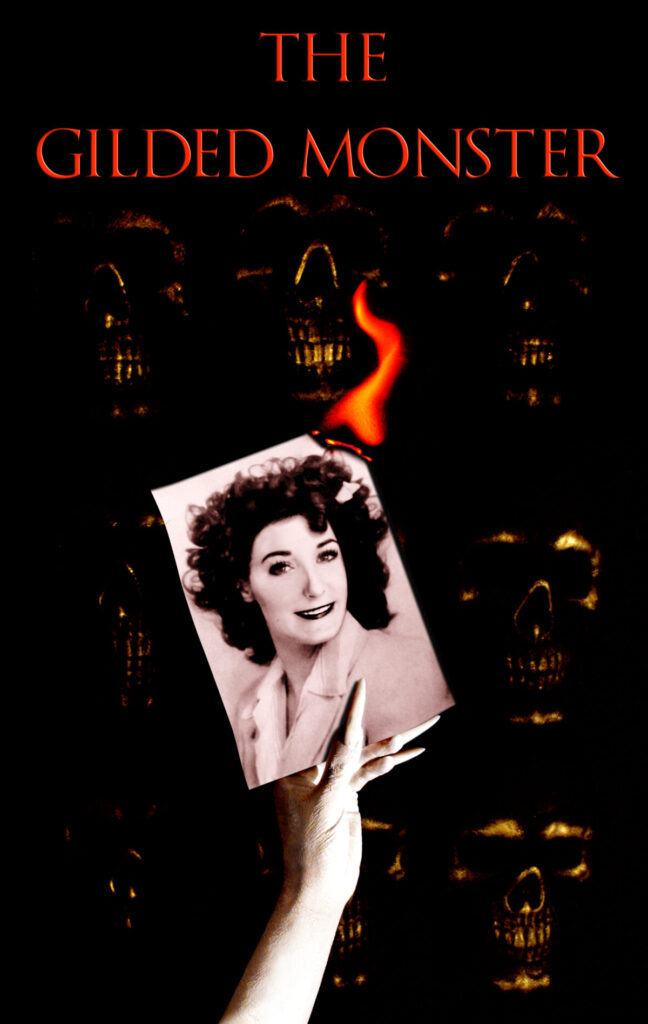
Film Name: The Gilded Monster
Director: Kevin McGuiness
Writer: Kevin McGuiness
Starring: Lorenzo Cromwell (as “Mr. Barnes”), Kristina Ojaperv (as “Betty”) and Xander Warrender
(as “Reporter”)
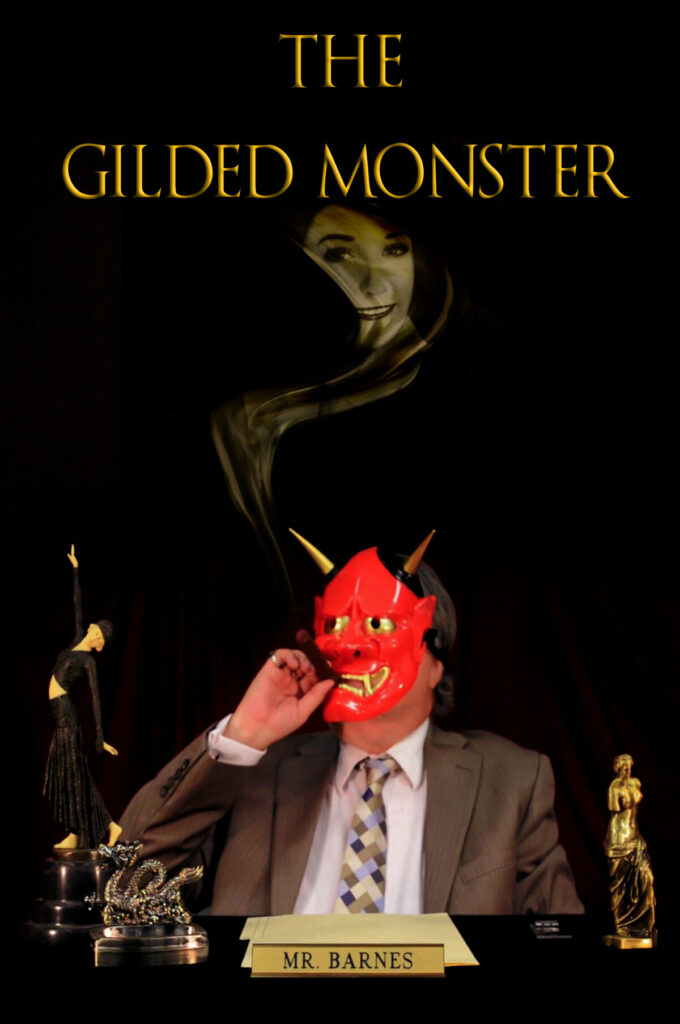
In 1940s Los Angeles, a young actress named Betty attends a job interview with a powerful theatre mogul known as Mr. Barnes who has deadly intentions.
In a new Exclusive Interview on Blazing Minds ahead of Horror-on-Sea I got a chance to ask Writer/Director Kevin McGuiness a few questions about the film ‘The Gilded Monster‘
The Gilded Monster will play at Horror-on-Sea on Friday 17th January at 10.00am.
Q. Your film has been selected to play at the Horror-on-Sea Film Festival. Can you tell us what we
can expect?
A. The Gilded Monster is a dramatized retelling of the final hours in the life of Elizabeth Short (a.k.a. “The Black Dahlia”) whose murder is one of the most infamous unsolved crimes in American history. In a downtown L.A. office, Betty (Kristina Ojaperv) meets with theatre mogul Mr. Barnes (Lorenzo Cromwell) in the hopes of securing a role in his latest production. As their conversation progresses, it becomes increasingly apparent that Mr. Barnes has diabolical intentions and wishes to exploit and murder Betty. This film reveals the threatening atmosphere and corruption rampant in the “city of angels” during the 1940s and the dangers faced by young women drawn in by the promise of stardom.
Q. What were some of your influences when writing the script?
A. I am a big fan of director David Lynch, and his controversial 1992 film Fire Walk with Me was a huge influence on the structure of The Gilded Monster. The self-destructive journey of protagonist Laura Palmer (Sheryl Lee) mirrors the downward spiral of Betty and her desperate attempts to save herself despite her hopeless circumstances. Furthermore, the dialogue featured in The Gilded Monster was inspired by the film Silence of the Lambs directed by Jonathan Demme. The tense and uneasy exchange between the characters of Dr. Hannibal Lecter (Anthony Hopkins) and Clarice Starling (Jodie Foster) parallels the vague threat of sexual violence implied in the speeches delivered to Betty by Mr. Barnes.
Q. What were some of your influences for the look and style of the film?
A. Tony Scott’s 1983 film The Hunger has had a dramatic impact on my stylistic tastes and was certainly a source of inspiration for The Gilded Monster. The sumptuous fabrics, gorgeous lighting and innovative camera angles that Scott employed in his cinematic masterpiece were striking and I have attempted to mimic some of these conventions in my career as a filmmaker.
Q. Did you make any changes from the original script during filming?
A. Though the actors were given free rein to alter their lines, the dialogue featured in the final film differs very little from the original script. I believe this is due to the fact that the pre-production phase for this film was extended (as a result of the pandemic) and the script therefore underwent numerous revisions before filming began. By the time the cameras were rolling, the actors and I had clearly established the characters and how to communicate their motivations to the audience through words and actions.
Q. What were some of your favourite moments during filming?
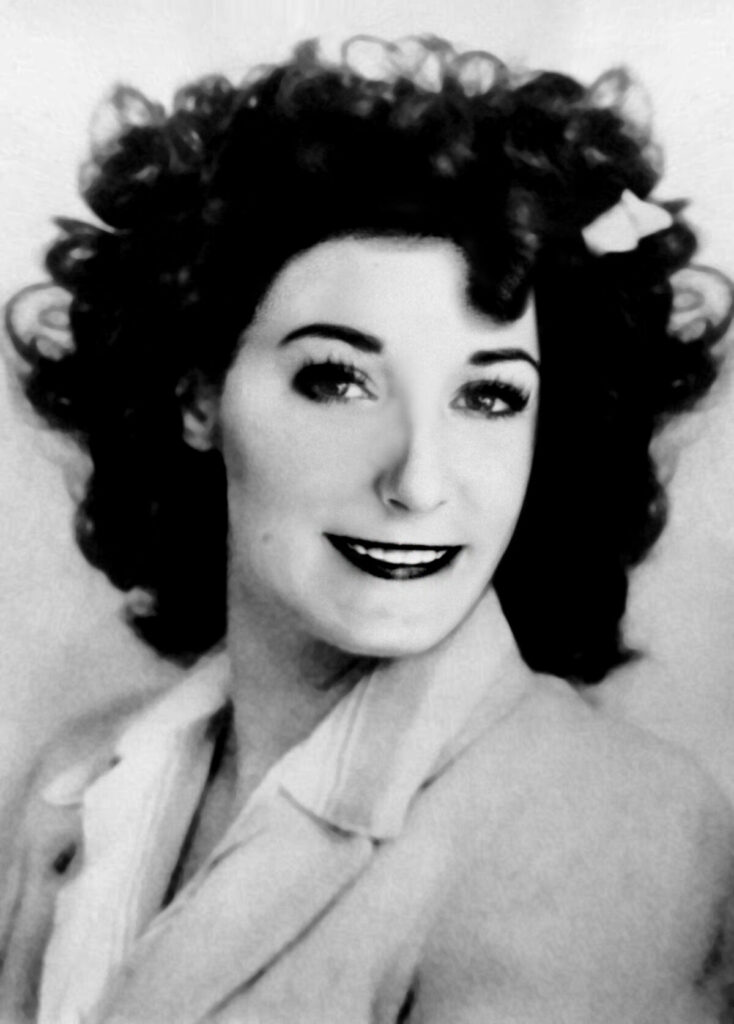
A. My favourite moment of filming was the final scene in which Betty acquiesces to Mr. Barnes request that she meet him at his home for a midnight rendezvous which will seal her fate and result in her death. The actors gave terrific performances: Kristina is devastatingly pathetic and Lorenzo is disturbingly domineering. When filming, there is always a certain degree of compromise – the finished product rarely lives up to the initial vision; however, in this case the actors surpassed my wildest expectations and achieved something amazing. I am riveted each time I watch their exchange and I am so proud to have been present to witness it take place.
Q. Did you experience any issues during filming?
A. To put it simply – this film was cursed! I experienced more calamites on this single production than on all of the other projects I have facilitated in my career. Due to the fact that pre-production began during the pandemic, we had to change venues numerous times as the proprietors kept cancelling our permits. To make matters worse, I had to recast the lead role of Betty four times as actresses would commit to the part and then quickly abandon it due to the overwhelming prospect of playing a historical figure that died in such a gruesome manner. Furthermore, a supporting actor quit the day of filming because of other commitments, forcing me to join the cast and assume the role of Mr. Barnes’ assistant. However, the most horrific catastrophe occurred one day prior to filming when I was struck by a car while on an evening walk. I decided to go for a stroll through my neighbourhood in order to clear my head and, as I approached a small intersection, a driver (who was not paying attention) ran me over with his car throwing me into the nearby ditch. I was incredibly lucky not to be killed and miraculously I had no broken bones, though I was in a great deal of pain throughout filming and still have a few scars. I can only speculate that the nefarious forces associated with the Black Dahlia case were wreaking havoc on our humble production and trying to put a stop to our work. Thankfully, we persisted and completed the film on time and under budget.
Q. What makes it stand out as something different in the horror genre?
A. I believe the most intriguing and original aspect of The Gilded Monster is the fact that it seamlessly merges physical and psychological horror. The tragedy of Betty’s violent death is compounded by the fact that she is emotionally exploited and destroyed by Mr. Barnes prior to her demise. What makes Mr. Barnes such a memorable villain is the fact that he not only desires to kill but also dehumanize his victims.
Q. What do you hope people take away after watching the film?
A. The Gilded Monster demonstrates the seductive nature of celebrity and how it can potentially cause individuals to lose their sense of selfhood. In the film, the protagonist Betty ventures to L.A. with the sole intention of becoming famous; however, she does not understand her own motivations or the potential dangers that lie in her path. The film also examines the horrific consequences of corruption and how a world that is devoid of safeguards can lead to barbarism and violence.
Q. Do you have any other projects which you are currently working on?
A. I have just finished work on a short documentary that examines The Black Dahlia case titled The Bloody Riddle. This film investigates the historical circumstances surrounding the crime and offers insights concerning the potential motive for the slaying of Elizabeth Short. I also recently produced a short animated horror/comedy titled A Nightmare on 34th Street which has screened at numerous festivals and was recognized at the Independent Horror Movie Awards for “Best Writing.”
Q. If someone was looking to direct their own film what advice would you give them?
A. Firstly, I would suggest that they get lots of rest prior to launching a production as the filming process can be physically exhausting. I would also recommend that fledgling directors surround themselves with supportive and creative individuals who will help them realize their vision. I was incredibly fortunate to work with the talented actors Lorenzo Cromwell, Kristina Ojaperv and Xander Warrender who were not only dedicated and talented but also kind and compassionate – I owe any success that the film garners to these lovely performers.
You can find out more about Writer/Director on Facebook and YouTube
The Gilded Monster will play at Horror-on-Sea on Friday 17th January at 10.00am.
You can find out more about the festival and purchase tickets here

Published in various websites, Philip is a reviewer who is best known for his interviews and media coverage of independent projects including; films, books, theatre and live events. Always on the lookout for something different to cover!