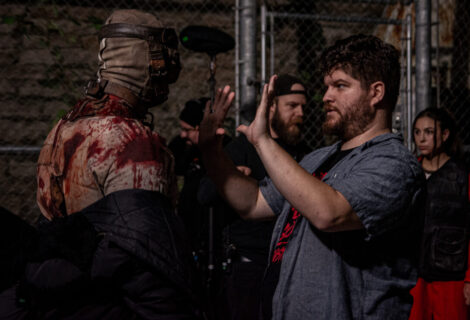
Film Name: Forbidden Tapes – Anthology of Terror
Director: Rubens Mello Luckfinger
Writer: Rubens Mello Luckfinger
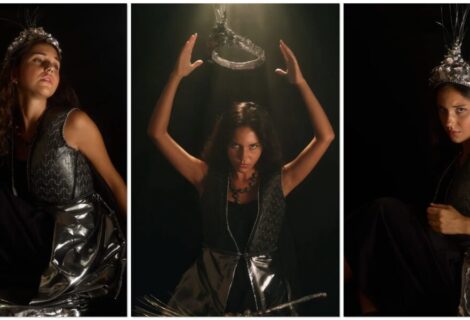
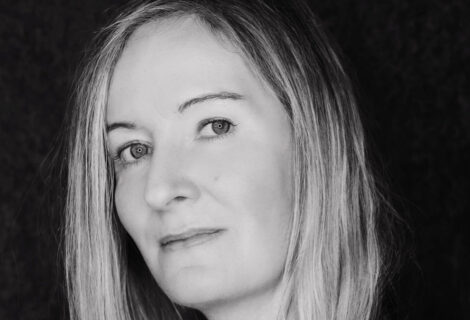
Starring: Karina Bez Batti, Liz Marins, Débora Muniz, Cesar Coffin Souza
Yraíra, a mysterious entity, is introduced as the host residing in an abandoned video rental store.
In a new exclusive interview on Blazing Minds, I got a chance to ask Writer-Director Rubens Mello Luckfinger a few questions about his film ‘Forbidden Tapes – Anthology of Terror‘, which will have its world premiere at Horror-on-Sea on Friday, 23rd January at 22:30hrs.
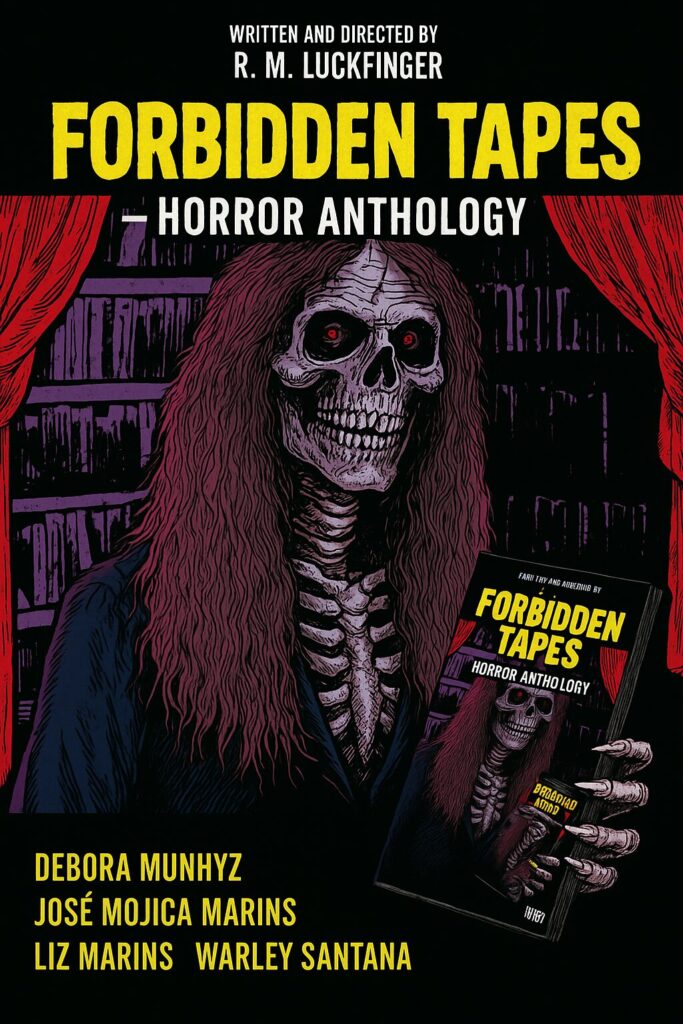
Q. Your film Forbidden Tapes – Anthology of Terror has been selected to play at the Horror-on-Sea Film Festival. Can you tell us what we can expect?
A. Audiences can expect a true time-travel experience to the golden era when video rental stores
ruled home entertainment. Forbidden Tapes was designed to feel exactly like walking into a 90’s
video store, picking up a mysterious VHS tape with a strange cover and pressing play without
knowing what would happen next.
It’s nostalgic, weird, gritty, sometimes funny, sometimes disturbing — exactly like the tapes we
used to find hidden on the back shelves of old video shops.
Q. What were your inspirations when writing the script?
A. My main inspirations were the great horror anthologies of the 80’s and 90’s – Creepshow (2019–2023), Tales from the Crypt (1989–1996), Body Bags (1993), and so many others that shaped an entire generation of filmmakers.
Those films mixed moral tales, dark humour, comic-book storytelling and bold practical effects. I wanted to rescue that spirit, that freedom to invent wildly, but bringing it into a Brazilian context.
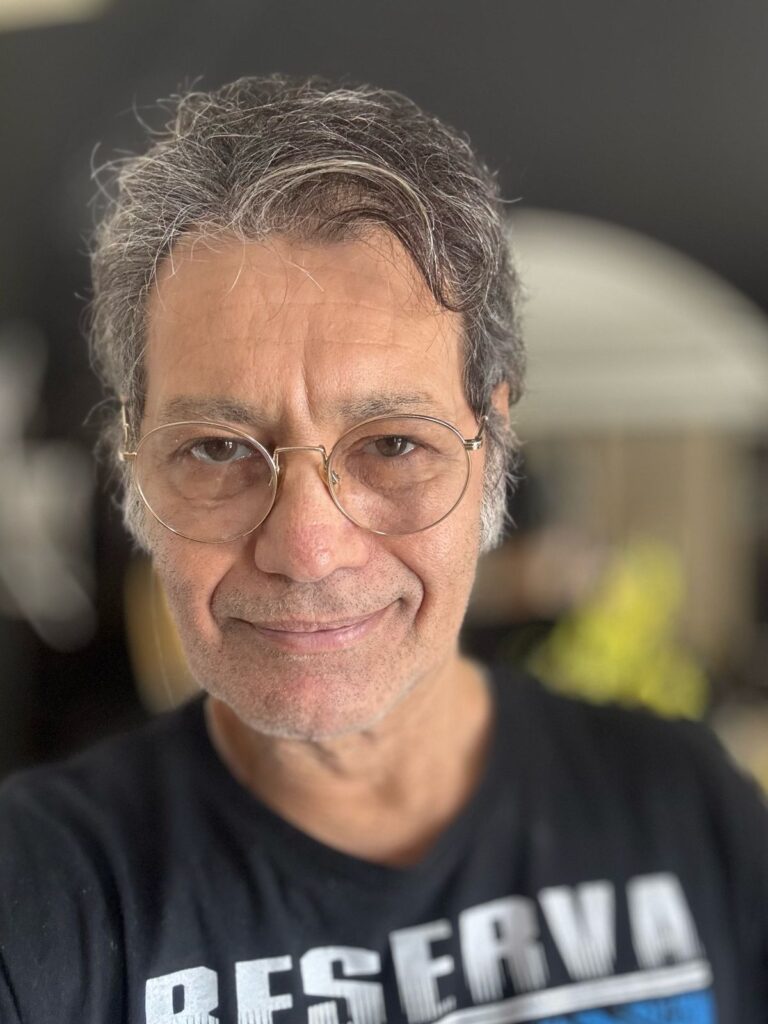
Q. Did you have any of the cast in mind for the characters when writing the script?
A. Yes. From the beginning, I envisioned Débora Munhyz as Yraíra, the supernatural entity who guides the
audience through the anthology. Débora is a legend of Brazilian cult cinema — strong presence, unique voice, and a long history of important roles. She has this mystique that makes Yraíra feel ancient, wise and dangerous at the same time.
I also wanted José Mojica Marins (Coffin Joe) — our iconic father of Brazilian horror — and his daughter Liz Marins to be part of the project. Mojica was not only a reference but a personal friend, someone who supported my work and inspired my generation. Having both of them involved is not only an honour, but also a deeply emotional tribute.
Q. What were some of your influences for the look and style of the film?
A. The VHS aesthetic was essential. I wanted the image to look like something you could have found on an old rental shelf — slightly dirty, imperfect, textured. The visual identity of the film embraces the “trash” spirit of the 80’s/90’s horror productions: practical effects, expressive lighting, grain, colour shifts, and that analog mystery only VHS can create.
Q. Did you make any changes from the original script during filming?
A. Yes. Originally, the film had a more psychological, almost Freudian approach. But during development
we realised that Forbidden Tapes should fully embrace the supernatural and horror elements — that raw, visceral energy typical of anthology films. So we shifted the tone and allowed the stories to become stranger, more nightmarish and more fun.
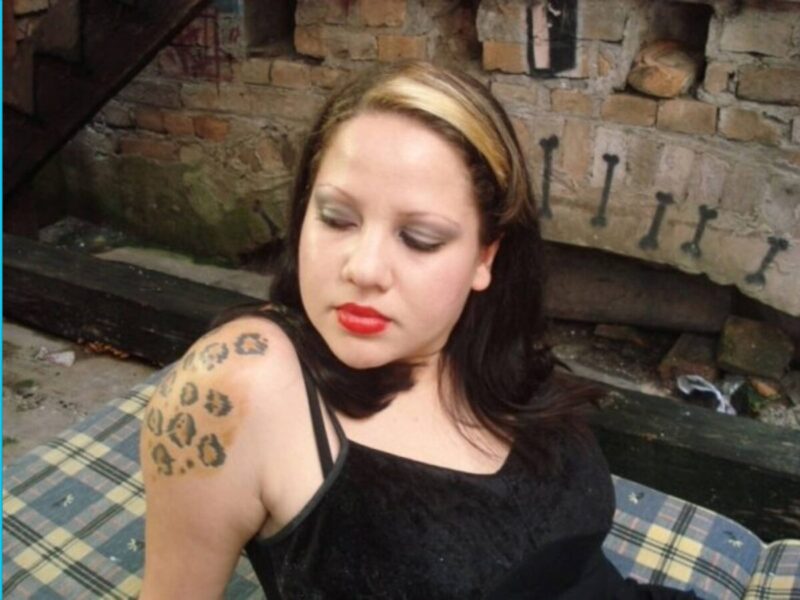
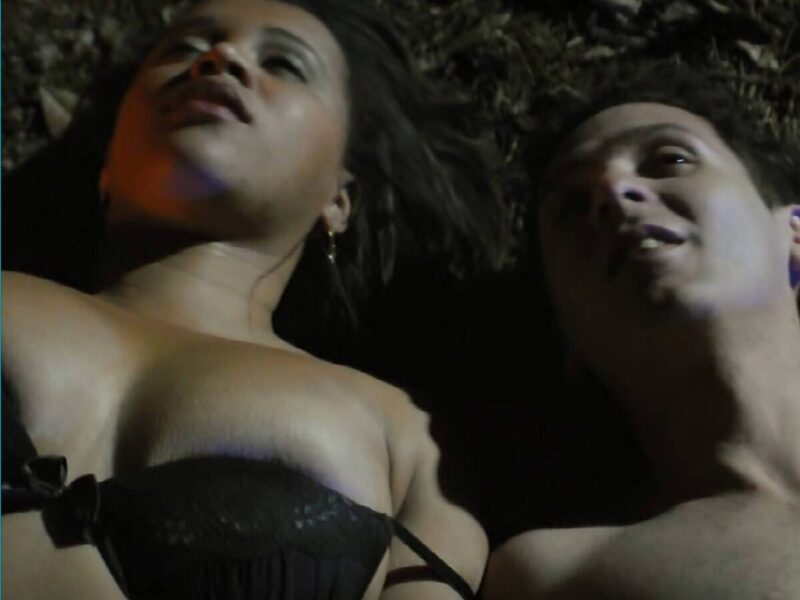
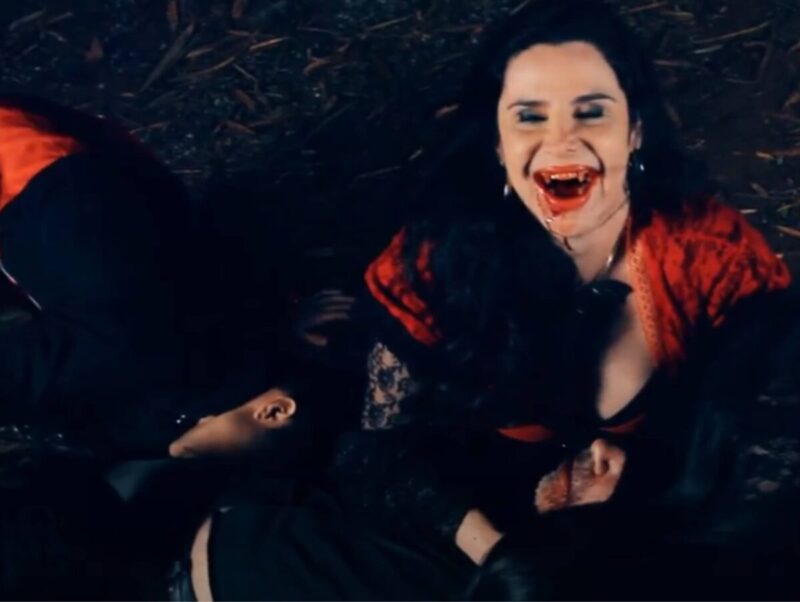
Q. What were some of your favourite moments during filming?
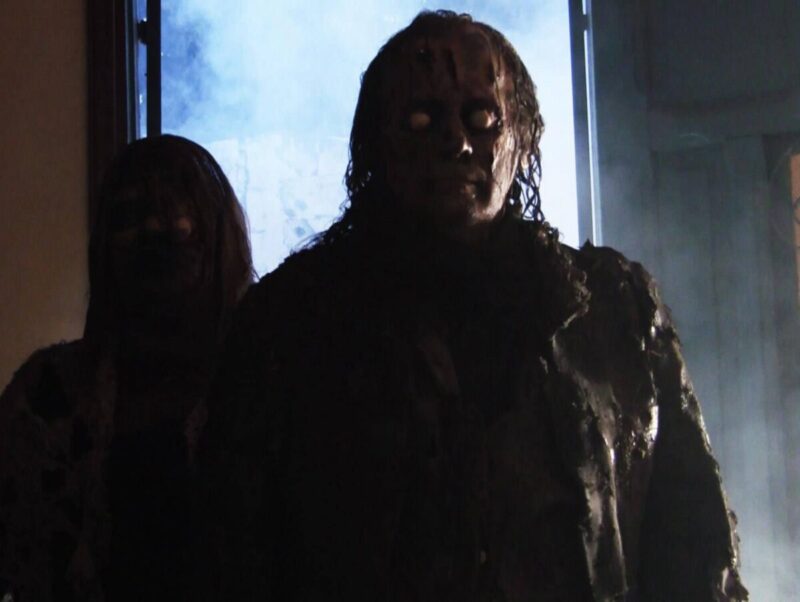
A. Definitely the creature scenes. All the monsters were created using completely handcrafted techniques: wheat flour, water, salt, skin moisturiser and liquid latex to hold the mass together. The texture, the imperfections, the “alive” look — everything came from practical effects made with passion. Seeing these creatures come to life on set was magical.
Q. Did you experience any issues during filming?
A. Yes, especially in the segment The Story of Lia. There’s a rooftop scene where the character’s mother touches herself in a moment of psychological breakdown. Some people who saw that scene out of context thought we were making a porn film — which made us laugh a lot afterwards. But moments like these are part of independent filmmaking, especially when you push boundaries.
Q. What makes Forbidden Tapes – Anthology of Terror stand out as something different in the horror genre?
A. Forbidden Tapes stands out because it brings together elements rarely seen together in Brazilian
horror:
- A deep VHS-era atmosphere and the spirit of video rental stores The film recreates not just the look, but the whole emotional experience of discovering mysterious tapes, outrageous covers and strange urban-legend films.
- Yraíra as an unconventional host. Yraíra doesn’t control fate; she comments on it with irony, mysticism and a certain moral edge — in the tradition of Creepshow, but with a uniquely Brazilian identity.
- The fusion of classic horror with Brazilian cultural identity Urban fears, social behaviours, humour, family dynamics — all filtered through universal genre language.
- Honest tributes to Brazilian fantastic cinema With José Mojica Marins, Liz Marins and Débora Munhyz, the film becomes a celebration of the legacy of national horror.
- A handcrafted, passionate approach Everything was done independently, creatively, and with the love of true fans of the genre. Nothing is generic — every monster, every scare, every frame carries the soul of artisanal filmmaking.
Q. What do you hope people take away after watching the film?
A. Nostalgia — and for younger viewers, the discovery of how we used to watch movies before streaming existed. I hope the film takes people back to a time when watching something “forbidden” on VHS felt like an adventure in itself.
Q. Do you have any other projects which you are currently working on?
A. Yes. I’m developing the continuation of my first feature, A Noite das Vampiras (Night of the
Vampires). It’s a horror-comedy steeped in Brazilian folklore, horror tradition and camp humour, featuring
unforgettable characters and a universe that I’m expanding into new films.
I’m currently looking for partners and investors to bring this next chapter to life.
Q. If someone was looking to write and direct their own film, what advice would you give them?
A. Start now — with whatever you have. Don’t wait for perfect equipment, perfect funding or perfect conditions. Horror, especially, thrives on creativity and resourcefulness.
Write stories you believe in, surround yourself with people who share your passion, and
Remember: what makes a film memorable is not budget, but vision, originality and heart.

Published in various websites, Philip is a reviewer who is best known for his interviews and media coverage of independent projects including; films, books, theatre and live events. Always on the lookout for something different to cover!