

Directors: Diogo Abrantes, João Rito
Writer: Maurício Valentino Borges
Starring: Francisco Mendes, Amália Silva, Irene Galamba
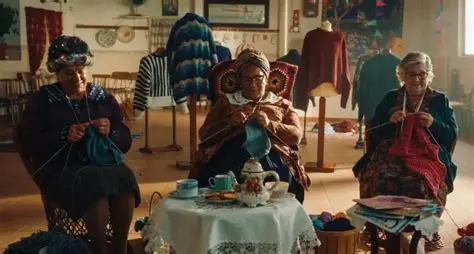
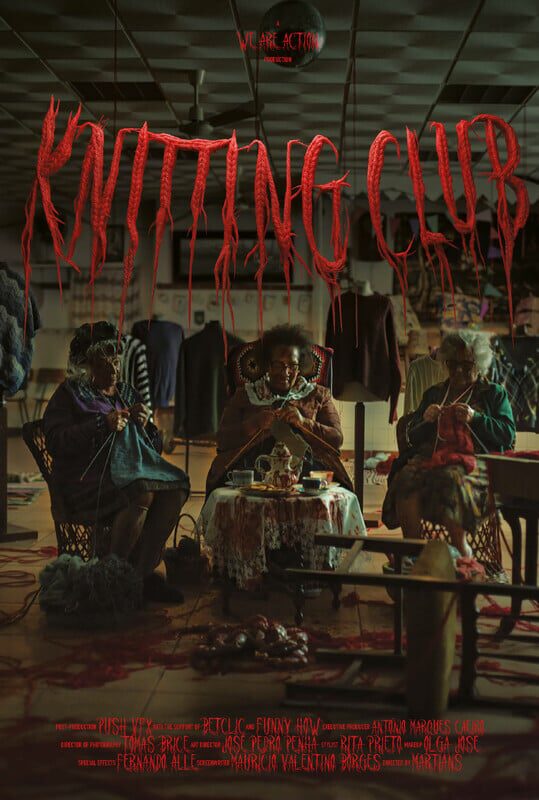
Synopsis: Miguel, a delivery guy, drops off red yarn at a knitting club run by three overly eager grannies. When they insist he stays for tea, he discovers they take their craft very seriously, and that he’s about to become their latest masterpiece.
In a new exclusive interview for Blazing Minds, ahead of this year’s Dead and Sudburied Horror Festival, I had the opportunity to ask with co-directors Diogo Abrantes and João Rito a few questions about their film ‘Knitting Club‘, which will screen at the festival on Saturday 24 October at 2:30pm.
Q. Your film Knitting Club has been selected for Dead and Sudburied. Can you tell us a bit about what audiences can expect from the film?
A. First of all, we were a bit confused when the film was selected for a horror festival. Our story is just about three lovely old ladies who like to knit. So people should expect something very different from the other films in the festival. Also, it’s a very short short, so we’d suggest not blinking for the entire film.
Q. For anyone who doesn’t know your work yet, can you each tell us a little about you and how you first got into filmmaking?
A. We’ve both been film geeks since we were little boys. I guess we just wanted to bring a bit of the magic from the stories we loved into real life, and filmmaking was the closest we could get. We’ve been creating stories ever since. We got more serious about it by studying film at university, and since then we’ve been telling stories in different shapes and forms, mostly in advertising.

Q. How did you come to be involved in the project, and what drew you to the script?
A. The project was born out of a screenwriting competition for MotelX in Lisbon. We were invited to direct the winning script, written by Mauricio, and it was a delight from beginning to end. The theme, the actresses, the connection we Portuguese have with our grandmas’ knitted jumpers… it felt like this project was made for us.
Q. How did the two of you come to work together, and had you directed together before?
A. Yes. We met on an advertising shoot. Diogo was the agency creative and João was directing the ad. We’ve been directing together ever since.
Q. How did you work with the writer to bring the script to the screen?
A. The script was pretty much there already, and we brought Mauricio on board from the start of pre-production. The main changes were about budget, plus one or two visual effects we wanted to try, so it was pretty straightforward. The biggest changes probably happened on the rehearsal day, around the dialogue. We like actors to own their words, so we adjusted the lines to whatever felt most comfortable for them to say.
Q. How did you divide the directing, and did you each take on different responsibilities on set?
A. We’ve never actually talked about it or divided anything. It’s an organic process. Whoever feels most strongly about a decision usually jumps in and makes it. And between takes we’re always answering 10,000 questions from the crew, so it just happens naturally. We both seem to be busy all the time.
Q. How did you handle any creative differences and were scenes which you both viewed differently?
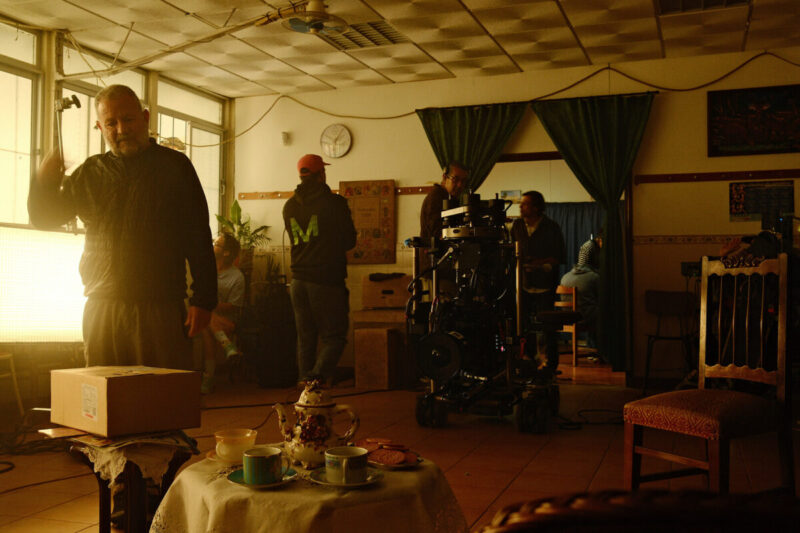
A. Not really. On this project the whole team shared a clear vision for the film. The biggest creative difference was probably the location. Diogo wanted somewhere that looked more Portuguese, and João loved the place we ended up shooting in. But in the end the budget was tight and that’s what we could get. So even there, there was no fight.
Q. What were some of your influences for the look and style of the film?
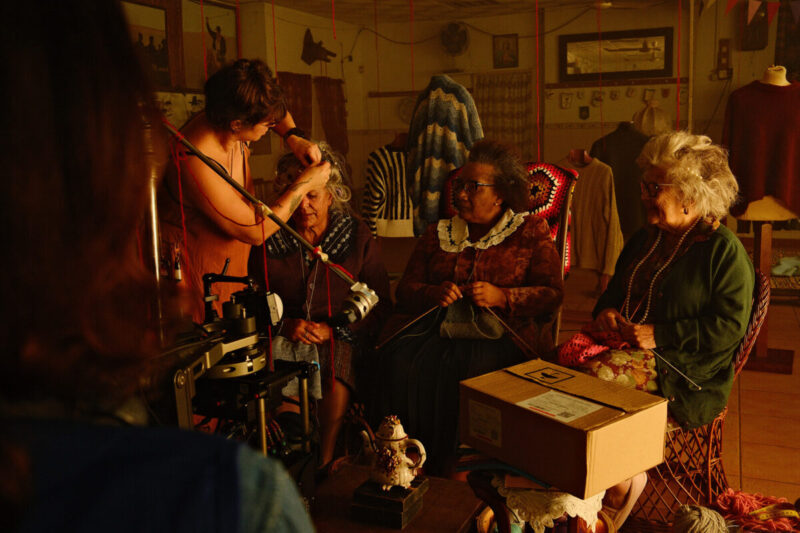
A. To be honest, we didn’t have one specific reference. Euphoria Season 2 was probably the biggest one. We see the series as a real-life horror story. We really like colour, and the whole idea was to avoid making the short feel like a horror film from the start. As the story gets grimmer, the light changes and gets darker. It was all very controlled: as the story progresses, the light gets lower and lower. The same goes for the camera. The camera gets lower and the lenses get wider, so the characters become more and more distorted. We feel this really helped intensify the drama.
Q. Did the script change at all during filming, and were you able to bring any of your own ideas to the story?
A. Not at all. The film is exactly the shooting script. Usually there are one or two shots that don’t work, but not this time. We used every shot, exactly as planned. We guess that’s the benefit of working a lot in advertising, where you have to be extremely precise with every shot.
Q. How did you go about casting the film, and what did the cast bring to their characters?
A. Casting wasn’t easy. Unfortunately, older people aren’t very well represented on Portuguese screens, so we couldn’t find what we wanted through the usual routes. Our three heroines were found through word of mouth and visits to morning TV shows. They absolutely smashed it and had great chemistry.
Q. What are some of your favourite memories from making the film?
A. The moment where the jumper knits itself onto our guy’s body. It was supposed to be done in a very handmade but complicated way, but when we tried it, it just didn’t work. Luckily, our actresses were genuinely knitting in every take, so we got the shot by unravelling their knitting and playing it in reverse. Basically, their knitting saved the shot.
Q. What were the biggest challenges you faced during the shoot, and how did you overcome them?
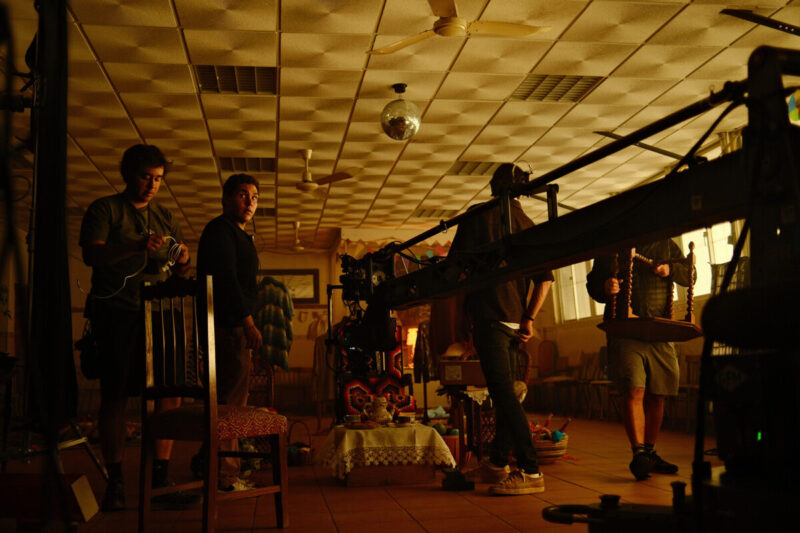
A. Time. Always time. We had two days to shoot the film, and it always felt like we were rushing. We had a lot of complicated shots and wardrobe changes. Luckily, everyone loved the process and loved our grandmas, so we could push the shoot a couple of extra hours and everyone stayed in good spirits.
Q. What makes Knitting Club stand out from other films in the horror genre?
A. Our villains are unique and real. And the insight behind the whole film is real too: you can never say no to a jumper your grandma knitted.
Q. What do you hope people take away after watching the film?
A. That they’ve just seen the feel-good horror film of the year.
Q. Do you have any other projects which you are currently working on, together or separately?
A. Yes. We have a couple of scripts we want to make. It’s hard to get a project off the ground with the right resources, but we’re trying. Diogo is also developing a horror feature about one of the biggest icons in Portuguese history.
Q. If someone was looking to get into directing, what advice would you each give them?
A. Shoot your script as a mock-up, without pressure. That mock-up is what will open doors to projects with bigger budgets.
Q. Where can people follow you and keep up to date with the film?
On our Instagram pages:
https://www.instagram.com/martians.tv/
https://www.instagram.com/abrantes_diogo
https://www.instagram.com/joao__rito
Knitting Club will screen at the festival on Saturday 24th October at 9:35pm. You can find out more about the festival and purchase tickets for the festival here.

Published in various websites, Philip is a reviewer who is best known for his interviews and media coverage of independent projects including; films, books, theatre and live events. Always on the lookout for something different to cover!