Film Name: Do Not Open
Director: Samuel T McNally
Writer: Samuel T McNally
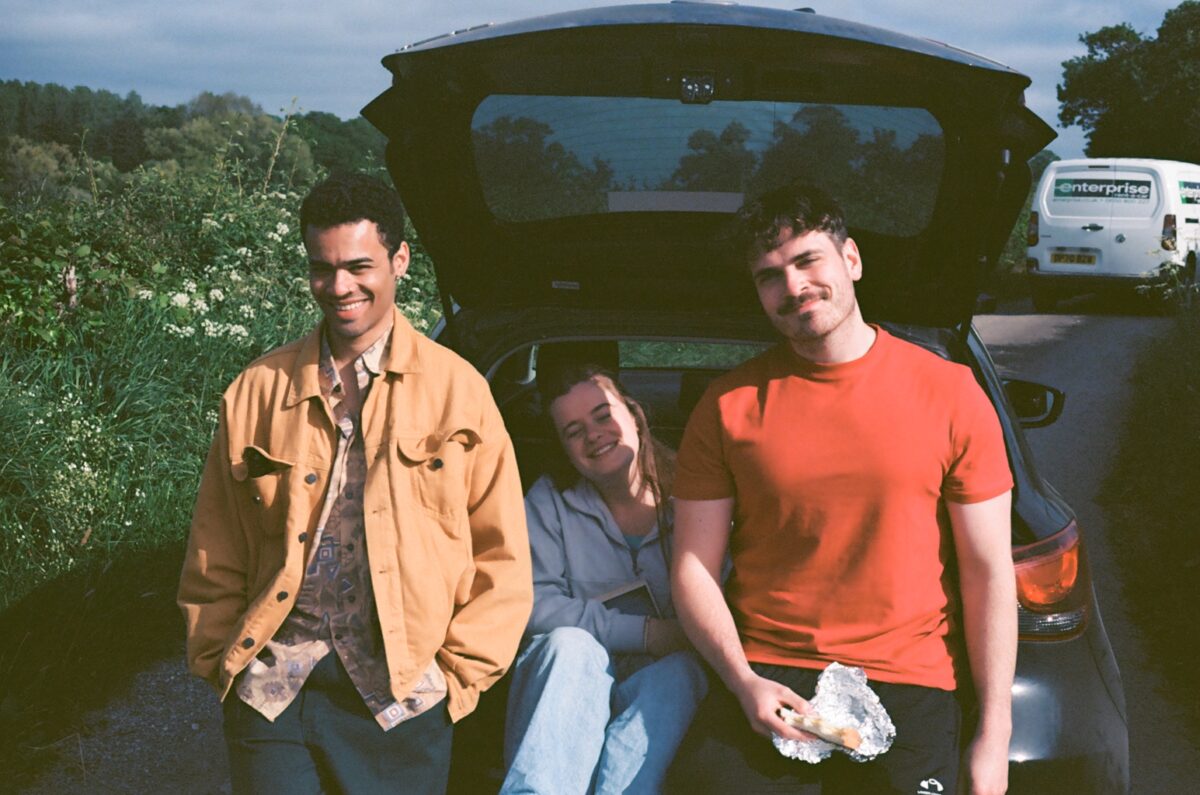
Starring: Adam Deary, Leah Rogers & Josh Sinclair-Evans
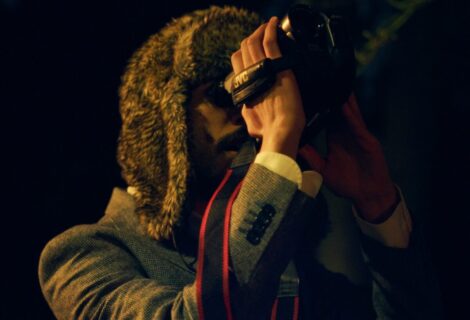
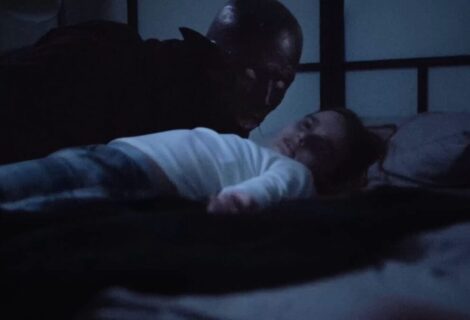
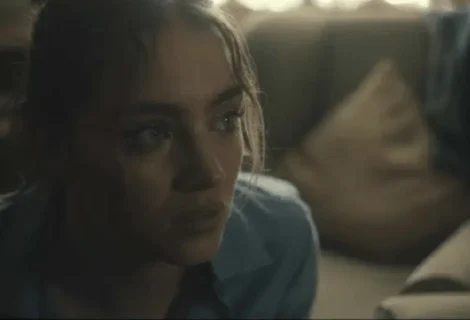
Three friends drive out to a lonely countryside house for a big weekend away only to realise far too late that the house has a fourth guest stalking them throughout their trip, a creature that can only be seen when it wants to be.
In a new Exclusive Interview on Blazing Minds ahead of Horror-on-Sea I got a chance to ask Writer/Director Samuel T McNally a few questions about the film ‘Do Not Open‘
Do Not Open will play at Horror-on-Sea on Sunday 19th January 5.30pm
Q. Your film has been selected to play at the Horror-on-Sea Film Festival. Can you tell us what we can expect?
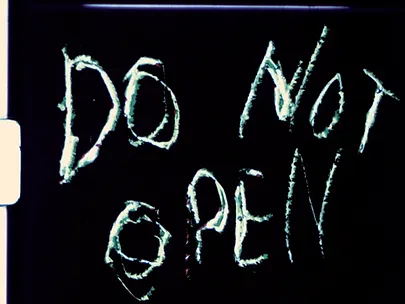
A. It’s a found footage horror that’s sort of two stories layered together, a romance drama and a lovecraftian horror. It’s about three people on a holiday together. A couple, Richard and Lauren, filmed from the perspective of their friend David who is in love with Lauren. But there’s something else stalking them, and whoever has found this footage or shot it has scratched out portions of the film, presumably to hide something from us, or to protect us from whatever was underneath. I think you can expect a film that will linger with you afterwards and something you could easily watch more times and get more out of it.
Q. What were some of your influences when writing the script?
A. Obviously I have to at least acknowledge The Blair Witch Project which really kicked off found footage as a genre but I think when it comes to the actual script I think the influences get a little more eclectic. Because of the nature of the film, it’s essentially a romance drama that goes horribly wrong. I really wanted to pay special attention to the relationships and dynamics between the three characters. I think Charlotte Welles Aftersun has had a really profound effect on me when it comes to presenting relationships with subtlety on film and Wong Kar-wai’s In The Mood For Love is also an absolute master class in building relationships on screen. For horror I’ve always been massively influenced by Lovecraft and Stephen King, books about terrible knowledge and things beyond our understanding that warp our world, taking these two things, love and horror, and pairing them together into a single film.
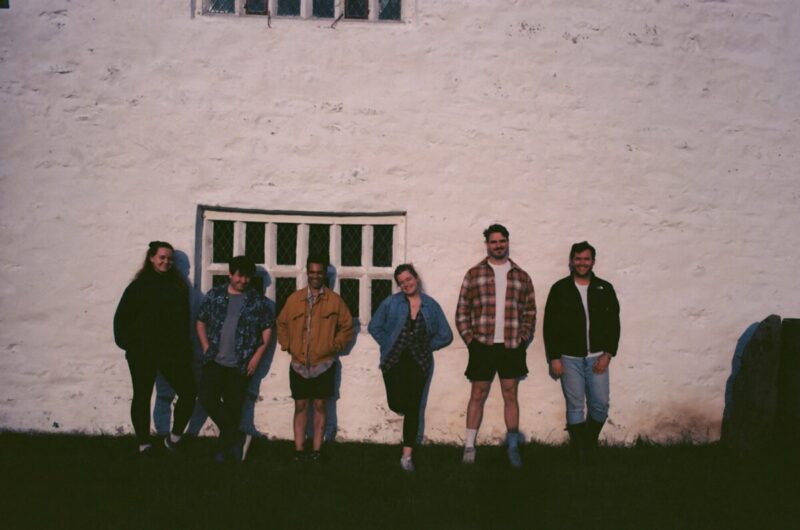
Q. What were some of your influences for the look and style of the film?
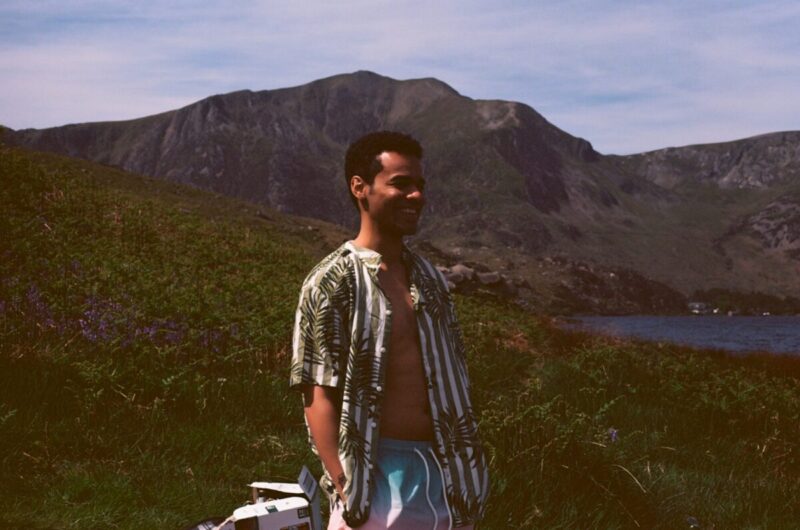
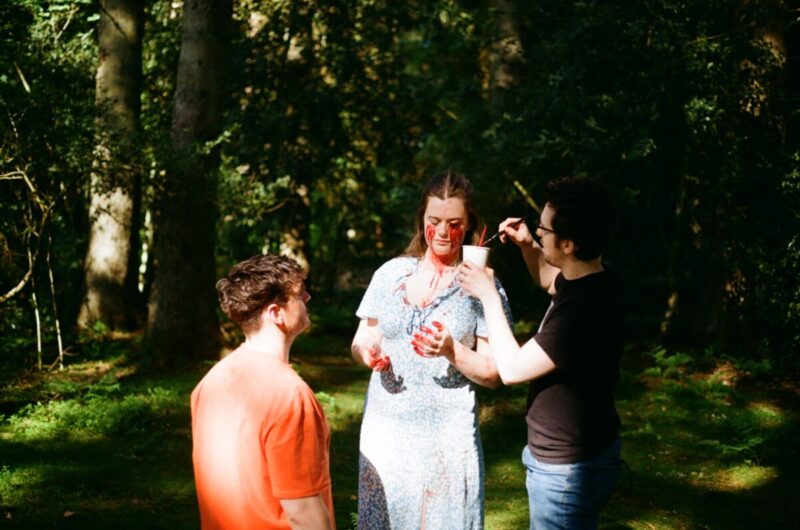
A. I love old family holiday footage, and I think this could have just as easily been shot on VHS or something similar and distorted another way, because I’m fascinated by how old home movies and old media formats distort over time. But I also love analogue film and so mixing that together and really committing to the bit of then destroying the film we shot and re-scanning it to make the effects and have a sort of deliberate destruction built into the narrative felt right. Something I’ve always thought about found footage horror is ‘what if someone has edited this after the fact?’. I think another really powerful visual influence is Bad Times At The El Royale and film noir as a whole, I’m a really big fan of the look and feel of film because you get vivid colours, deep shadows, and that sort of ethereal glow on highlights, and it’s a look I first encountered in noir films but Bad Times is a film I absolutely adore for how it uses those noir tenets in a modern way. I wanted to make sure that since David wasn’t going to get a lot of screen time that the shots his character was choosing to frame up would speak to his character and express something about him to the viewers.
Q. Did you make any changes from the original script during filming?
A. We did, we trimmed some scenes and altered the order to better fit the narrative and the timeline of the film. But I spent a lot of time in pre-production with the actors, meeting with them with a list of questions and thoughts to get an idea of who these characters were together, so that we were all on the same page going into the film. This meant when an actor wanted to slightly alter a line or a small piece of dialogue, the answer was usually yes because we all knew exactly what the goals were for each scene and each character.
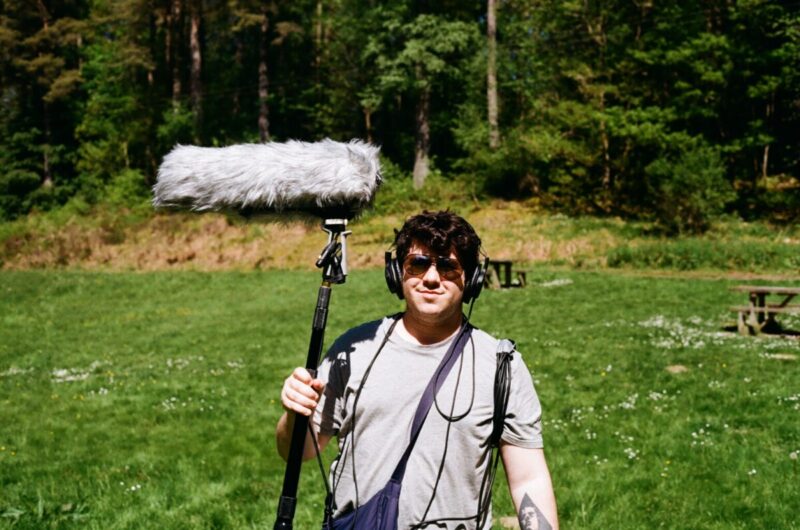
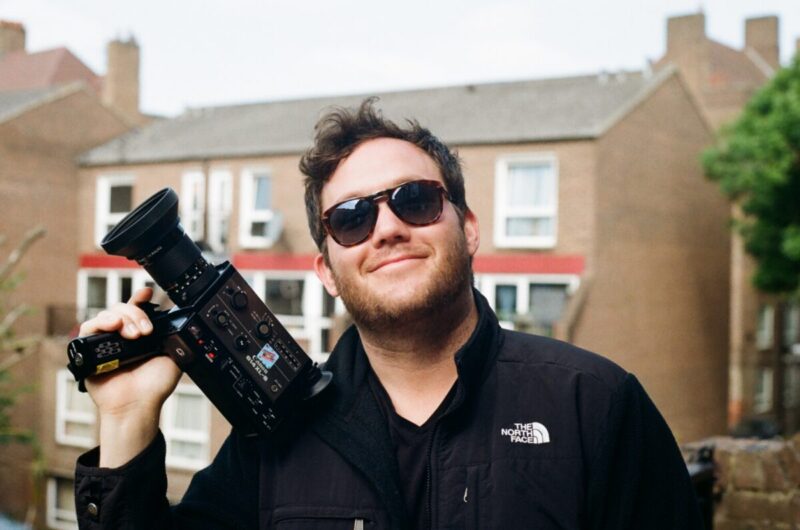
Q. What were some of your favourite moments during filming?
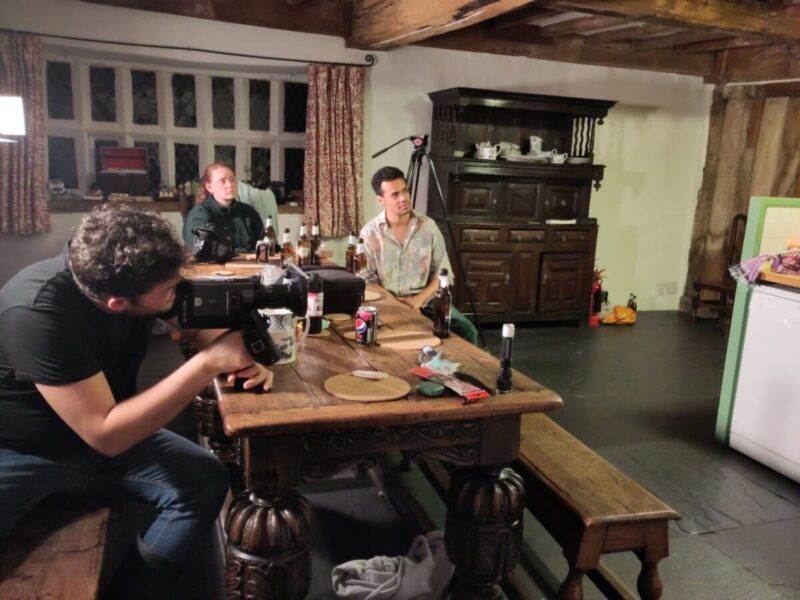
A. I think all of us having to stay in the house we were shooting in because it was so remote was a lot of fun. There is something deeply eerie and funny about shooting a scene where someone rips their own eyes out, calling cut, then going to bed in the same room. We would also all cook and eat together on this massive old 15th century table and sit in the garden in the evenings after wrapping and have a beer together. It kind of was like our own little holiday together. The cows you see in the film were also able to come right up to the house and Trace, the DoP, was a big fan of being able to pet them.
Q. Did you experience any issues during filming?
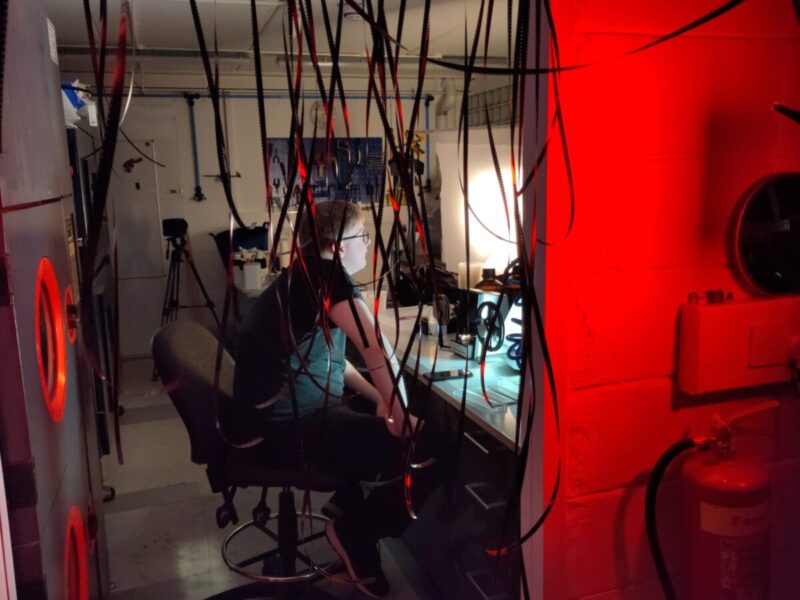
A. Filming actually went really smoothly. I think because we knew we only had the money and time for around two takes per shot we spent a lot of time in pre-production planning everything out. In terms of prep I really like to try and plan as much as possible, the way Bong Joon-ho will storyboard out every shot and not shoot coverage, I had to do that because of how little super 8mm film we had to work with. But when we got the camera from the rental place me and Trace realised we weren’t going to be able to do some of the shots because the fixed lens just wasn’t wide enough, so we did spend a lot of time the night before filming walking around my flat blocking out alternate shots that we would be able to do. I will say though, me and Trace are both big 35mm film photographers, Trace is a master at it, it’s why I asked him to shoot the film, but neither of us had shot a film on film or worked with super 8, and the anxiety of not knowing if we’d got the shots was brutal. The two weeks of development and scanning were the longest of my life.
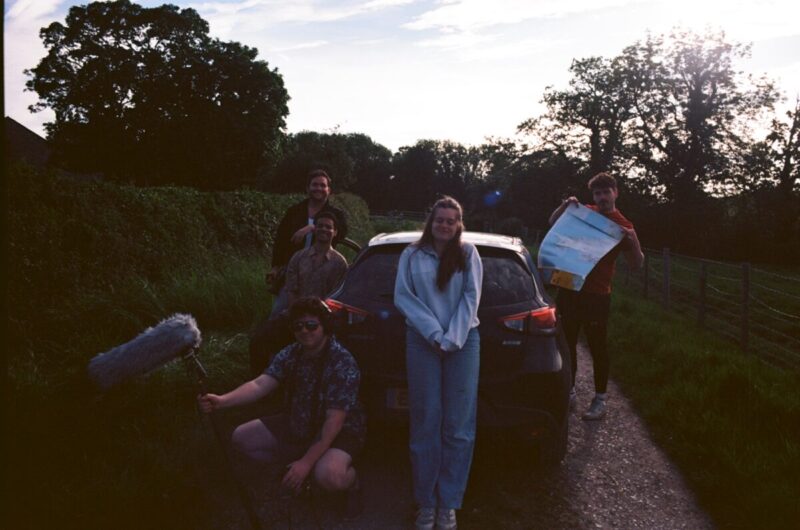
Q. What makes it stand out as something different in the horror genre?
A. I think we’ve done a lot to experiment here. The really strong sense of character through the perspective of the shots. The shooting on and scratching of the Super 8mm is something I haven’t really seen done much at all, and we experimented with the ending a lot, taking away that safety net of credits as a sort of experiment into how a film like this might linger if it just ends. I wanted to express myself as a queer filmmaker who finds the world we live in to be horrifying enough without monsters and this is what came out of that. I think people will see that in this when they watch it.
Q. What do you hope people take away after watching the film?
A. A sense of dread, with any luck. I’ve tried to make something that will linger with you, hopefully give you the urge to watch it again. I hope people see what we’re doing in the film and can really engage with it all.
Q. Do you have any other projects which you are currently working on?
A. I’m hoping to make another two shorts in the next year, one zero budget short about a wake based on my own experiences and another we’re hoping to raise funds for food poverty and extreme steps being taken to stop it. I’m also a few drafts in of a horror feature film I hope will be my debut feature film about a space station going adrift, and it’s really something special I think.
Q. If someone was looking to and direct their own film what advice would you give them?
A. I think the biggest hurdle for working class filmmakers is perfectionism preventing you from making anything at all and the want to be successful and be doing bigger projects immediately. I think take your time, make things as and when you can, and if they’re bad that’s great, because it means you’ll learn something and find your style. Making little things lets you start working with new people, trying things you wouldn’t think to try. Keep doing that. It’s not about mega budget films, it’s about knowing which medium is right for you to express yourself in, and knowing what you want to express within them.
You can find out more about writer/director Samuel T McNally & McNally Films using the following social media handles @SamTMcNally or @McNallyFilms
Do Not Open will play at Horror-on-Sea on Sunday 19th January 5.30pm
You can find out more about the festival and purchase tickets here

Published in various websites, Philip is a reviewer who is best known for his interviews and media coverage of independent projects including; films, books, theatre and live events. Always on the lookout for something different to cover!