Film Name: Mamochka
Director: Vilan Trub
Writer: Vilan Trub
Starring: Alexander Kollar, Maya Murphy, Dino Castelli, Joshua Danskin, Andrew Steiner
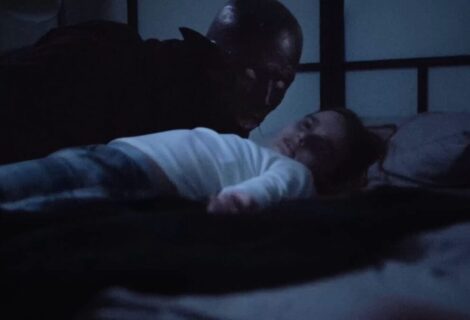
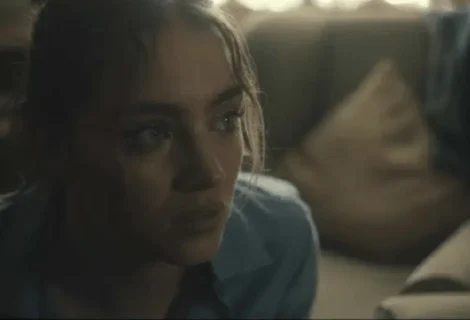
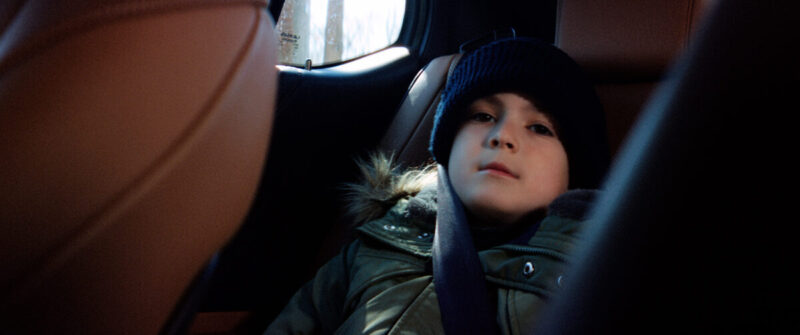
A psychological horror about a WWII-era heirloom doll that begins to unravel a suburban family.
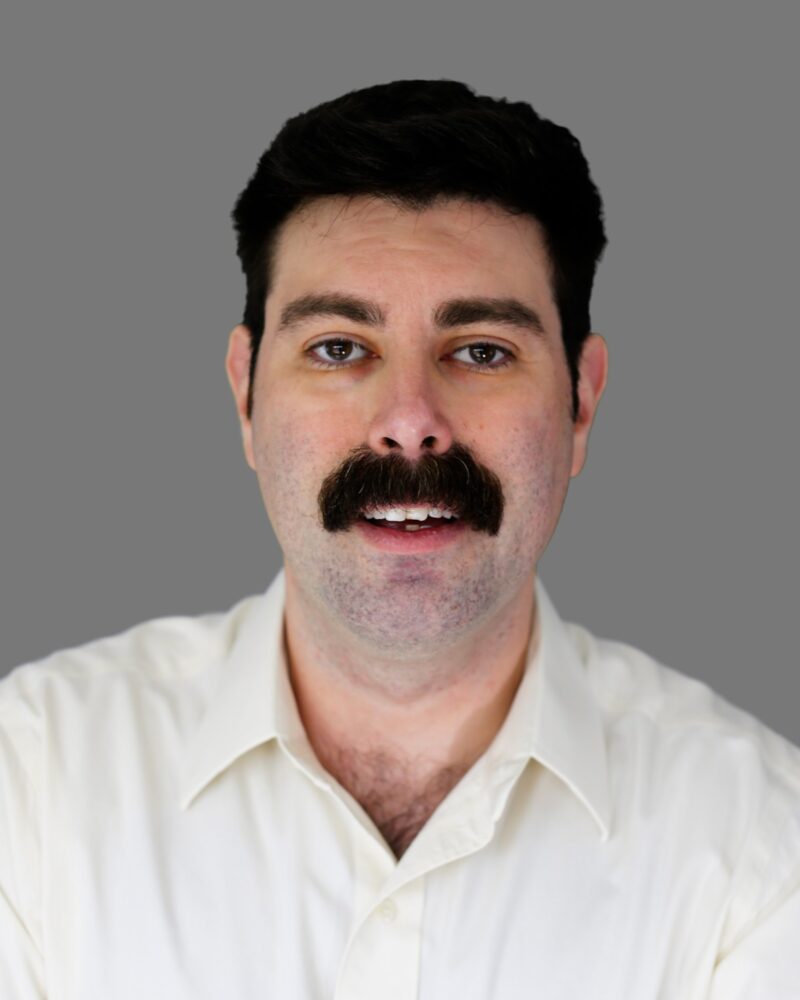
In a new exclusive interview on Blazing Minds, I got a chance to ask Writer-Director Vilan Trub a few questions about the film ‘Mamochka’, which will play at Horror-on-Sea on Friday 16th January at 10:00hrs.
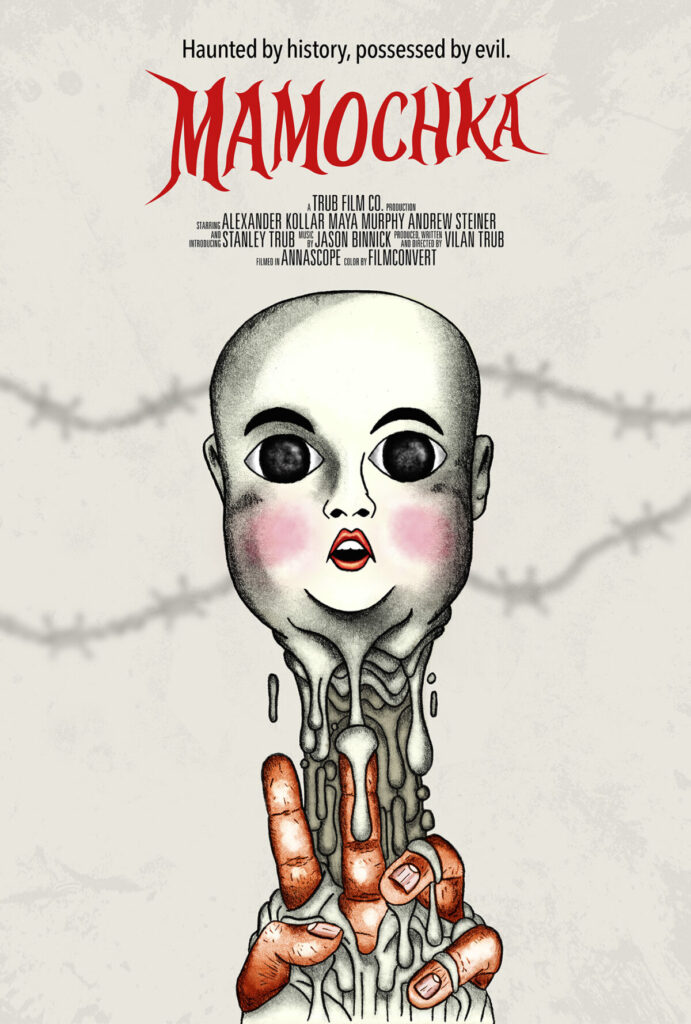
Q. Your film Mamochka has been selected to play at the Horror-on-Sea Film Festival. Can you tell
us what we can expect?
A. You can expect a weird experience. When I was deciding on what my next project would be and landed on making a horror movie, I very certainly didn’t want to make an impersonation of an impersonation. I feel it’s a very broad genre with great history and ultimately, a drama about a scary and unsettling subject.
Q. What were your inspirations when writing the script?
A. I watched a lot of great movies when writing the script. Burnt Offerings (1976), which is a fantastic movie but moves too slow for general audience expectations. When you look at the original The Amityville Horror (1979), you’re immediately bombarded by the “horror” aspect and especially for today’s audiences, you need something like that at the front. A quicker introduction to what lays ahead. I believe that’s why The Shining (1980) is so successful. The criticism that Jack Nicholson is too crazy from the onset, it’s that crazy that gets audiences to invest.
While there are a great deal of movies I watched, I didn’t always find something to pull for my movie. There’s also plenty of movies that weren’t horror that added something. Some where I absolutely pulled elements from was: The Changeling (1980), Carnival of Souls (1962), Peeping Tom (1960), Psycho (1960), 10 Rillington Place (1971), Jacob’s Ladder (1990), Living in Oblivion (1995), Rosemary’s Baby (1968), Sisters (1972), Repulsion (1965), Pat Garrett & Billy the Kid (1973), The Devil’s Advocate (1997), The Shining (1980), Eyes Wide Shut (1999), Apt Pupil (1998), The Firm (1989), Christine (1983), The Girl with the Dragon Tattoo (2011), There Will Be Blood (2007), Shutter Island (2010), Hereditary (2018), The Collector (1965),Play Misty for Me (1971), Purple Noon (1960), Compulsion (1959), Blow-Up (1966), Dharma & Greg (1997-2002).
When writing, I don’t just look at movies. I very much discover the voice of the movie through,
reading. I read Let’s Go Play at the Adams’, The Exorcist, The Bad Seed, Commandant of Auschwitz:
The Autobiography of Rudolf Hoess, the works of Philip K. Dick, Bringing Down America: An FBI
Informer with the Weatherman.
Q. What were some of your influences for the look and style of the film?
A. I very much wanted to shoot this movie 2x anamorphic. Movies went 1.85 to compete with television and now it feels like to compete with the 16×9 format of television, going anamorphic offers a layer of cinematic credibility. It’s a beautiful format and certain filmmakers just knew how to get the most out of it. While not offering the same visual impact of prime lenses, an anamorphic zoom also served as a convenient option for certain days when making lens changes would be difficult, time would be limited, but pages would be plenty.
Going back to the early days of anamorphic, the movies always felt so rich and oversaturated and I wanted that as well. Making a movie visually bleak because the story is bleak felt like tipping the hand for me. Sudden tragedy is so shocking because it disrupts a world that isn’t tragic and I wanted to make sure that visually, this movie could just as easily have been a different genre.
I would look at Blade Runner (1982) and Alien (1979), the long lenses on a steady tripod, capturing faces as they discover the changes the story wants them to discover.
Because the budget was low and designing ambitious shots would be difficult, I looked to Sydney Pollack and his efficient ability to show the action. Movies like The Scalphunters (1968), Jeremiah Johnson (1972), and Three Days of the Condor (1975) are great examples of him allowing what’s in front of the camera to be the star rather than the camera, which he could also do and did on They Shoot Horses Don’t They (1969).
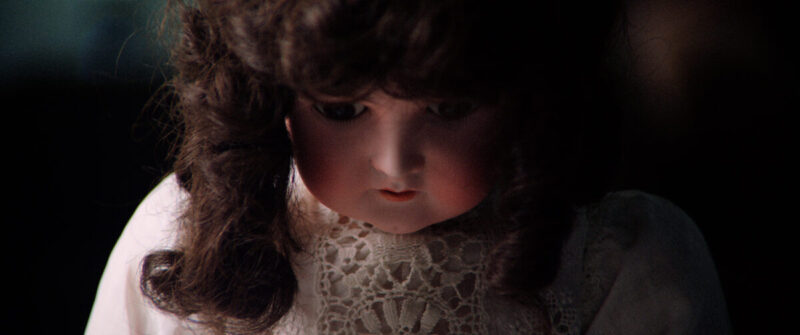
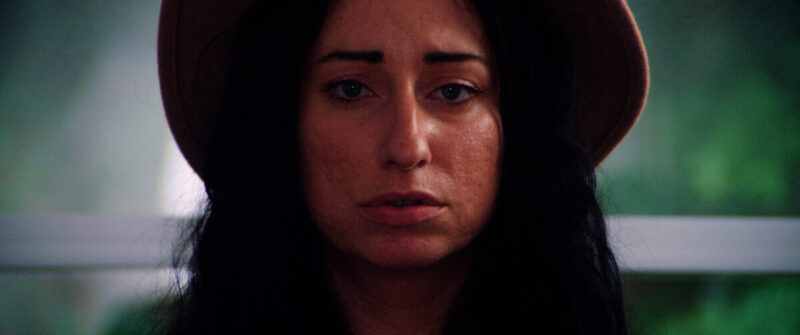
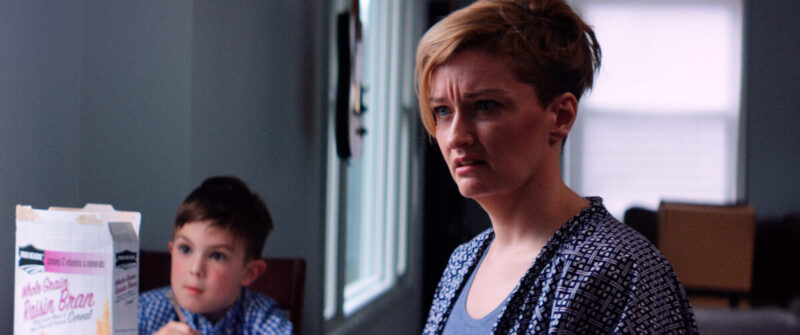
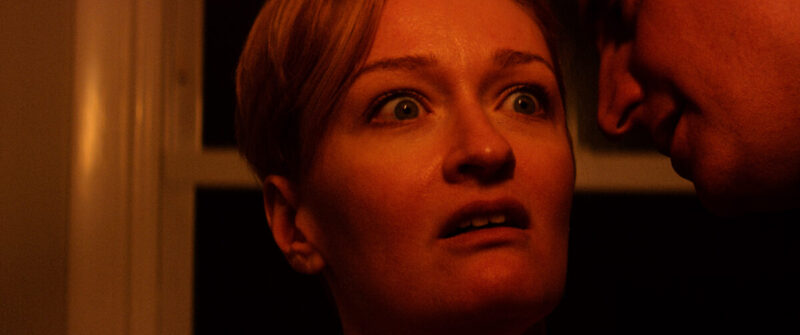
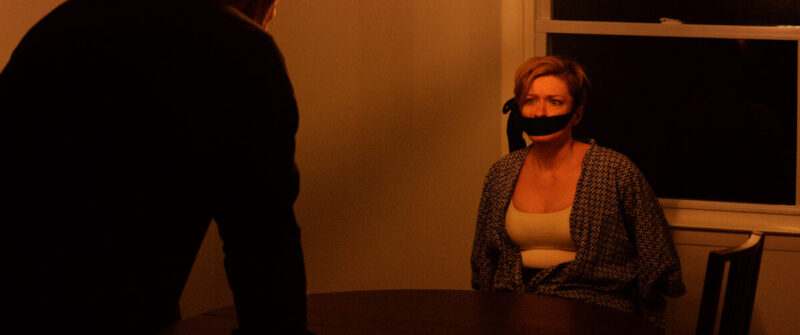
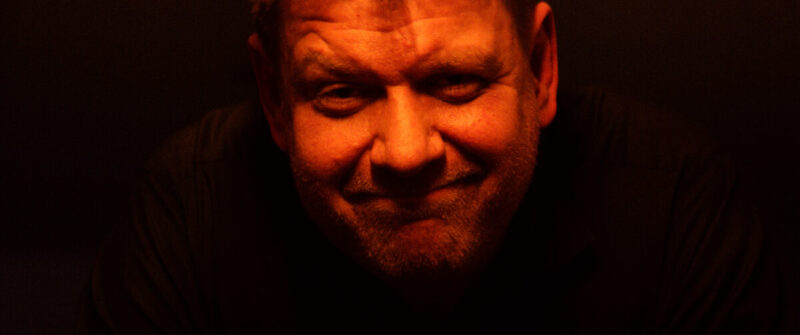
Eyes Wide Shut (1999), besides being an inspiration on an unsettling adventure down a rabbit hole story, also influenced the colour of the movie. Very rich and blue nights, yellow/orange lights draping over faces. The colour becomes seductive and goes back to not tipping the hand with bleak visuals. As an audience you get disarmed by the colour. You get tricked into embracing what you’re watching rather than viewing it with your guard up because you know what you’re watching is bad for you.

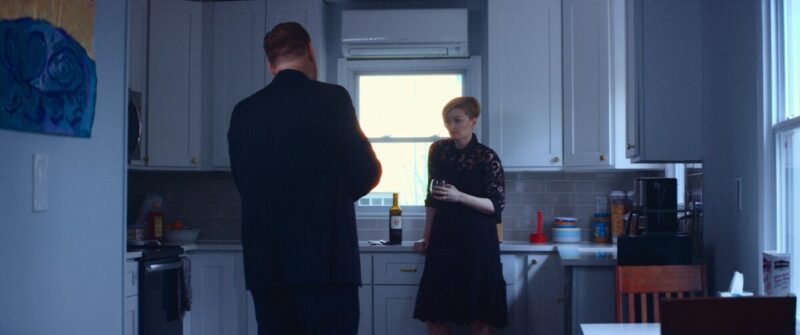
Q. Did you make any changes from the original script during filming?
A. Especially when working with such a low budget, you need to be flexible to identify and go with what works. I understand how important casting is, especially when performances can’t be masked by action and set design and other elements. I want to see what the actors bring to the role because it’s easier for me to lean into who they naturally are than try to fit a square block into a round hole.
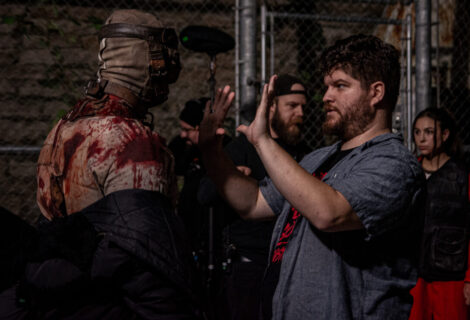
One place where I was certain there would be change is the ending. When I wrote the script, the “all hell breaks loose in the house” scene was written verbatim as the scene goes down in The Shining. That was always place holder. I wanted to see what the actors would bring to the table and figure out what would work best for this movie. One night I turned on 10 Rillington Place and immediately had my ending. Richard Attenborough’s Christie slipping that gas mask over the poor lady’s face. It was such a sadistic way to kill someone and once I knew how Mark would try to kill Jane, everything else came into place.
Q. What were some of your favourite moments during filming?
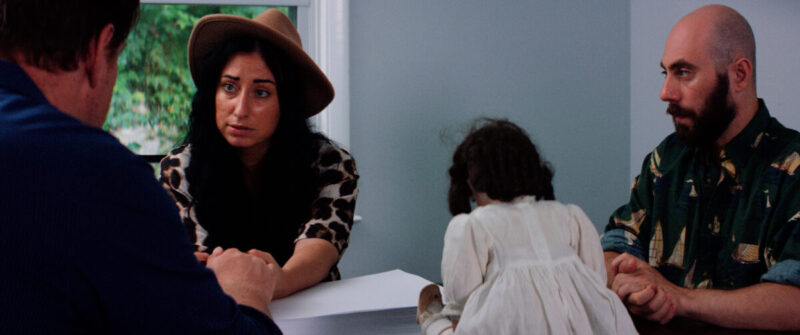
A. When making a movie you spend a lot of time with the same people. It’s such a stressful environment that to be able to at least spend it with people you like and can laugh with makes the difference. I don’t buy into the whole idea that art needs to be a tortuous experience. There’s plenty of torture already cooked in so why not surround yourself with a good time while doing it? Filming the scenes where Mark and Gary take the doll to the doll doctor were particularly fun to film because it’s such a ridiculous idea, it’s impossible not to laugh through it.
This was also a movie I had the opportunity to make with my kids. My older son, Stanley, acted in the movie, and my younger son Sydney who was only 5 at the time, was behind the camera with me holding lens caps and occasionally yelling action. As a father, there’s this romantic idea of having a store that one day your sons get old enough to work at with you and you can just spend your days hanging out with them and being friends with them. Trub & Son’s Sports Goods or something. This was that experience for me and was one of the most rewarding experiences I’ve ever had.
Q. Did you experience any issues during filming?
A. There are always issues. People need to be let go because they deserve to be let go. We had an issue with a team member who was responsible with coordinating and scheduling shoot dates lying about communications he was having and had to be let go. You lose some time, but you act quick, reset and keep the train moving forward.
Sometimes people don’t show up because life happens. You pivot and rewrite. An actress was not able to arrive on time due to her not understanding how the trains work in the area. I sympathised and when she did arrive, I prioritized which part of the scene I absolutely needed her for. Since it was difficult for her to come to set, I knew we would not be able to film the rest of the scene as written with her. I rewrote the other portion with the rest of the actors in the scene who are more available and the scene ended up better than originally planned.
Q. What makes Mamochka stand out as something different in the horror genre?
A. I heard Norm Macdonald talk about certain comedic impersonations on SNL that he doesn’t like because they’re impersonations of impersonations. I immediately understood what he meant. I didn’t want Mamochka to be a movie inspired by movies whose inspiration were so far removed from what made the industry boom that it felt like a caricature. I didn’t set out to make a “horror” movie. I set out to write a story about a terrifying subject, but bring it to life the same way a great movie from any genre gets brought to life. It means the movie might be missing some familiar elements to people who want to see them and might not be considered as scary as some other movies.
That’s part of my approach to disarm the audience. If you don’t feel like you’re watching what your expectation of a horror movie is, it allows me to plant scary seeds into your brain that might grow when you least expect. I feel a great horror movie doesn’t make you scream when watching. It makes you feel like what you watched wasn’t particularly scary. It was safe, safe enough to think about when falling asleep, in the dark. That’s when I want to scare the audience.
Q. What do you hope people take away after watching the film?
A. I want the audience to have a fun time and get excited to talk about the movie. I want them to have conflicting, yet dead certain interpretations of the movie. There’s elements of a movie that need to be objective. I don’t believe in being weird for the sake of being weird and calling it art. There has to be a structure and a spine and a path for the audience. They need to watch it because they’re entertained, not because they just love cinema and want to complete a film as a badge of honour. The subjective is what makes them come back to the restaurant to figure out what flavours are the ones getting them so excited.
Q. Do you have any other projects which you are currently working on?
A. I’m currently in the research and basic writing phase on two scripts. One is a crime story that takes place in 1999, that I want to be entertaining and funny and cool like an Elmore Leonard novel. The other is a sci fi story where I get to study aliens, religion, false prophets, anthropology and more. It’s the most fun time because it’s when I get to do all the reading. From studying the Heaven’s Gate religion/cult to The Autobiography of Malcolm X and the works of Jacques Vallee and Arthur C. Clarke.
Q. If someone was looking to write and direct their own film what advice would you give them?
A. Control the environment, not the outcomes. Budget and experience give you the tools to have much more control over the outcomes, but until then you need to understand where to rely on your influence, and where to rely on your taste. You don’t have the resources to do a 100 takes like David Fincher and get a performance that doesn’t exist from a certain actor. You don’t have the resources to design a particular shot to look like a movie made on a far greater budget with far more experience crew on a movie that can afford to be full of such shots. Find out what the actors are best at and capture them in a way that looks interesting. Make reactions as important as what they’re reacting to and everything can elicit a reaction. I tell actors, when the camera is on you, but you’re not the one speaking, do something to make me want to keep the frame on you.
There’s a myth that the one thing you have when you don’t have a budget is time. You can’t shoot forever. People can be flaky and disappear. Life happens. The building you filmed in front of and need to film in front of again in a few months might be bulldozed to the ground. Getting everyone and everything together is a miracle. You need to get your movie in the can before that ball of yarn comes apart and it’s a race every single time.
Mamochka will be playing at Horror-on-Sea on Friday 16th January at 10:00hrs
You can find out more about Vilan Trub on the Website and follow on Facebook
You can find out more about Horror-on-Sea and purchase tickets for the Mamochka here

Published in various websites, Philip is a reviewer who is best known for his interviews and media coverage of independent projects including; films, books, theatre and live events. Always on the lookout for something different to cover!