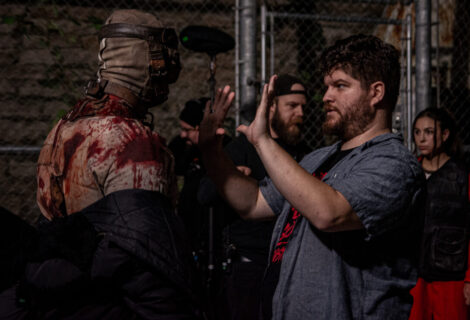
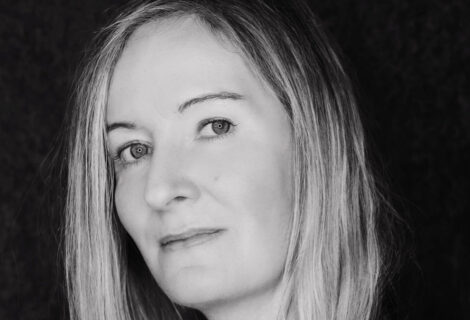
Director Morgan Mackerness
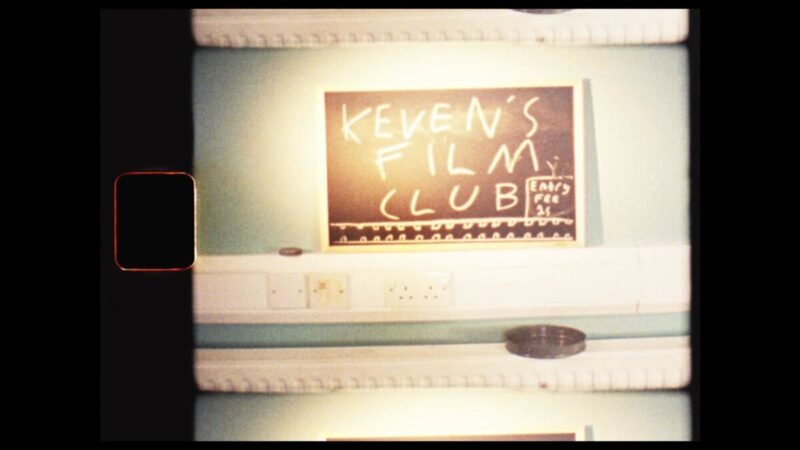
Synopsis: This documentary short-film follows the story of The White Bus Cinema based in Southend-on-Sea. They keep the process of projecting real celluloid film alive by showing films from their archive of over 3,000 films, ranging from Super 8, 16mm, and 35mm prints. The film argues why it’s important to continue the shooting and projection process of film in our current age of digital shooting and projection in modern Hollywood, amidst the chaos of studios removing films from their streaming services.

Q. Can you tell us what we can expect from your documentary?
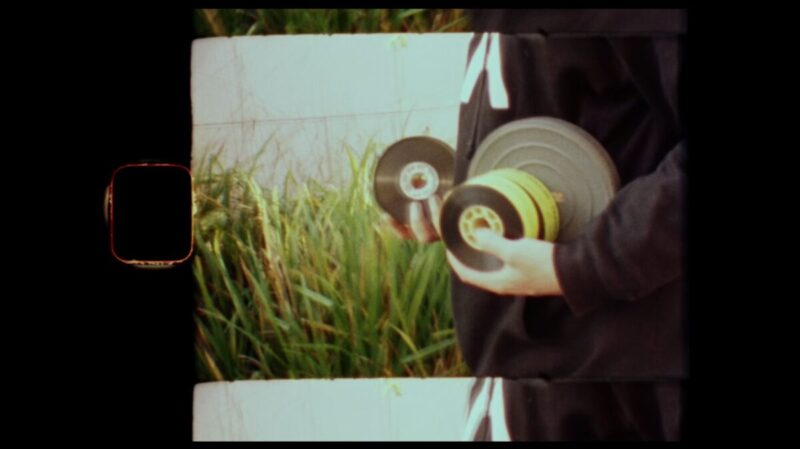
A. My film shows a window into the past of what makes the magic of cinema so special to begin with. The wonderful team of projectionists and organisers at The White Bus Cinema collectively carry a spark and spirit that’s rarely seen anymore in modern cinemas, i.e. cinemas that primarily use digital projection. You will see their love, care, and passion of what they do shine through, complimented with a sense of nostalgia as I recreated their memories of running the cinema and their experiences with celluloid films by shooting them on my super 8 camera, so in a way I’m preserving their stories on film, just like they are with their archive of over 3,000 films.
Q. What made you decide to create a documentary about The White Bus Cinema
A. As we had to create a documentary in the first module of my first semester of my 2nd year of studying Film Production at the University of Gloucestershire, I wanted to convey my passion of film reel projection and shooting on film in creating a documentary about it. Even though I like both film and digital, I overall prefer the analog film method because not only do you get more detail in the image, there’s just something about the physicality of it that feels more authentic and sentimental. The White Bus share these same beliefs as I do, and I want to shine a light on them as much as possible as the community they have brought together with their regular audience members that attend every week is something so unique and special that is just rarely seen in modern cinemas anymore.

Q. What sort of preparation did you do for the documentary?
A. In order for the documentaries to be greenlit when pitched to my film tutors, myself and everyone else who pitched must’ve had a confirmed resource for your film if you’re making it about a real place or person. I made sure that I planned well in advance as I found The White Bus online while researching cinemas that still kept film reel projection alive. I was doing this in May 2023, and the module didn’t start until September 2023. After striking no luck with other cinemas, when I found and got in touch with Paul Cotgrove from The White Bus cinema online, he replied almost immediately and we started to roll the ball from there. I gathered my crew together with fellow students on my course and we planned to meet with The White Bus team at their cinema in August 2023 for a recce. We loved what we saw in their archive and were thrilled by the exclusive screenings they gave for us such as ‘The Private Life of Henry VIII’ on 16mm film and 2002 film trailers such as ‘Ice Age’ and ‘Two Weeks Notice’ on 35mm film. They actually gave us the physical 35mm prints of these trailers as a gift, which was very generous and kind of them. Then in the next few weeks leading up to the beginning of the new semester, I then bought my own super 8 camera and projector to have them prepared for the specific scenes I had in mind. As for the sequences for when they’d be used, I made sure that once we had the interviews with Paul and the projectionists, we would start to visualise the memory sequences based on the material in the interviews.
Q. Did you make any changes to the documentary from what you originally planned?
A. Initially we were meant to be utilising the super 8 camera more at the cinema by capturing the behind the scenes of making the film and the audience reactions to watching the film showings. However, as it was my first time shooting on this format, I was informed by one of the projectionists that my camera didn’t sound right and that cartridges were actually jammed, and upon further inspection the camera’s exposure metre wasn’t working, so all the footage would’ve come back blank.
I was devastated at first, considering that super 8 film is quite expensive nowadays. However, I was always going to use the format again for the memory sequences. So I learned from this error and bought a new super 8 camera that was fully functional and the results were better than I imagined, so that made up for what went wrong. It’s important to fail so that you learn from your mistakes, and I’m very happy with the final film in the end so it worked out well.
Q. What were some of your highlights when filming the documentary?
A. Everyone at The White Bus was so attentive and collaborative and I’m so incredibly thankful for them to allow myself and my whole crew to tell their story, so just filming with them was so enjoyable. The conversations we had around film history in our tea breaks were also so much fun. Another big highlight was listening to the film’s wonderful score composed by Max Flenley for the first time. I gave him a brief to create a score that felt nostalgic, but with a sense of melancholy that made the audience gain a feeling of joy but with a slight sadness as The White Bus’ old ways of the cinema experience isn’t the norm in our current day and age. When I listened to what he composed for the first time, I was absolutely blown away. He made the film way more emotionally impactful than I could’ve anticipated and I can’t wait for everyone to hear it at the film’s premiere.
Q. What do you hope people will take away after watching the film?
A. I hope that this film not only inspires a large majority of people in my age group to visit The White Bus cinema to experience watching a film projected on real celluloid film, but that it encourages my age group to visit more cinemas that continue the same projection process. I also hope that this film encourages people to shoot more on film to keep it going for as long as possible, to preserve new
stories.

Q. Do you have any other projects which you are working on
A. I’m currently planning and putting together a lot of research for my next short-film idea. I don’t want to reveal too much, but what I will say is that it’s a fiction film, and it’s an absurdist dark comedy inspired by the works of author Franz Kafka. It’s definitely a very ambitious idea and if it’s hopefully greenlit, I can’t wait to make it and for everyone to see what I have planned!
Q. If someone was looking to put together their own documentary what advice would you give them?
A. Making a documentary is a lot harder than a fiction film, as it’s a lot more spontaneous than making a scripted film. However, if you trust your instincts as a storyteller and a filmmaker, you will be able to piece together a coherent structure from spontaneous ideas and you will have a great film in your hands, as there’s many different ways to make a documentary based on the different modes. Whether it’s observational, participatory, expository, or poetic, you will find the right way to tell your subject’s
story
You can find out more about Morgan Mackerness on the Website – YouTube
You can find out more about the Southend Film Festival on the website

Published in various websites, Philip is a reviewer who is best known for his interviews and media coverage of independent projects including; films, books, theatre and live events. Always on the lookout for something different to cover!