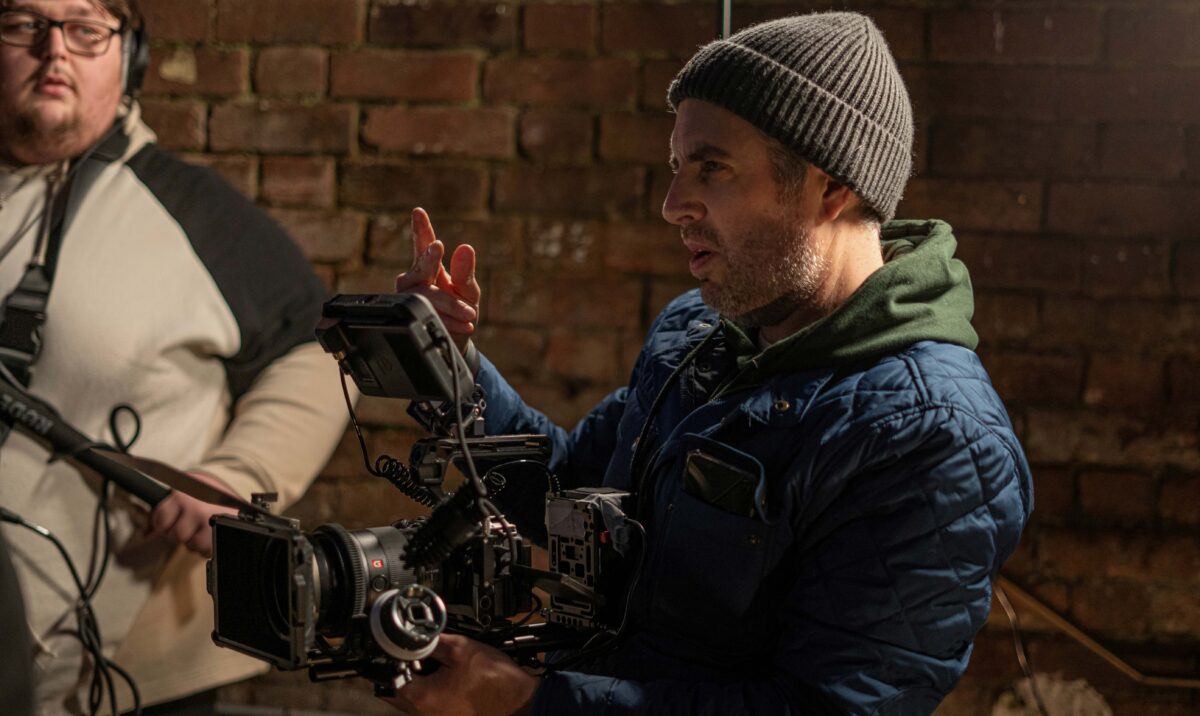


Film(s): Ludy’s Ladies & Jay’s Grave
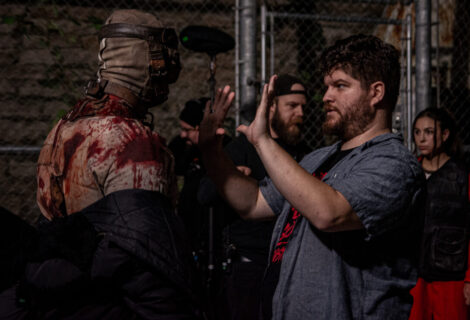
Director: Justin Carter
Writers:
Ludy’s Ladies – Isabella Esposito
Jay’s Grave – Millie Hine, Sophia Oram
Actors:
Ludy’s Ladies – Ciara Barrett, Isabella Esposito, Abigail Louise, Laura Rosa, Caneshia Voisey
Jay’s Grave – Bronwyn Aires, Jed Cox, Sophie Kimber, Sophia Oram, Caneshia Voisey
Synopsis:
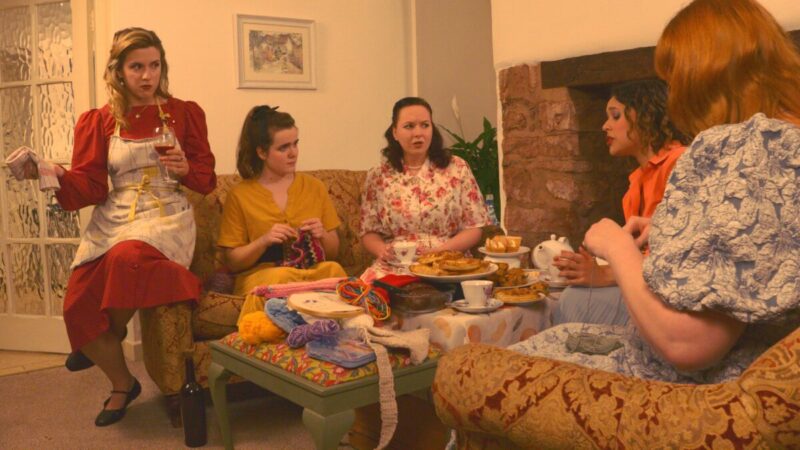
Ludy’s Ladies – A village tea party hosted by Ludmilla isn’t as innocent as the Tupperware, turnovers, and
frilly aprons might suggest. A micro short comedy with a bit of bite.
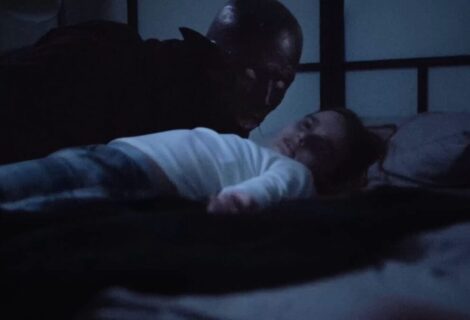
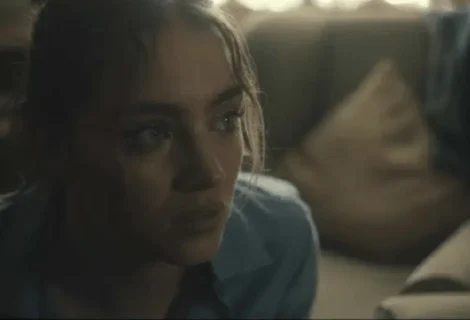
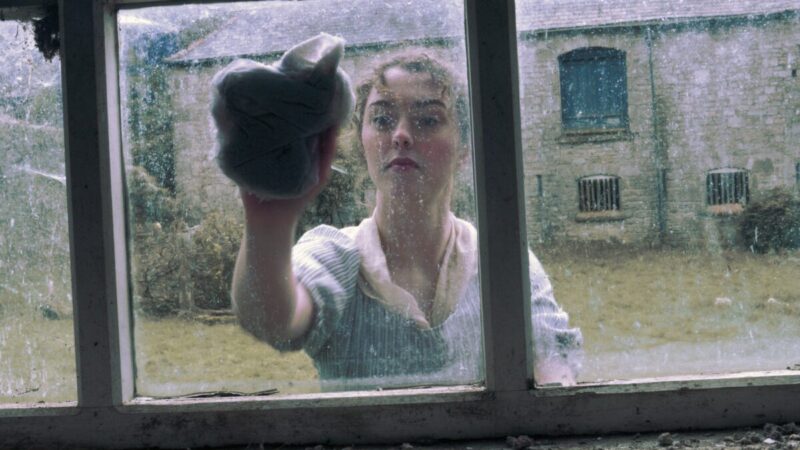
Jay’s Grave – Young, gentle and naive Kitty Jay is betrayed by her lover, leaving her to make a decision that would affect the moors forever.
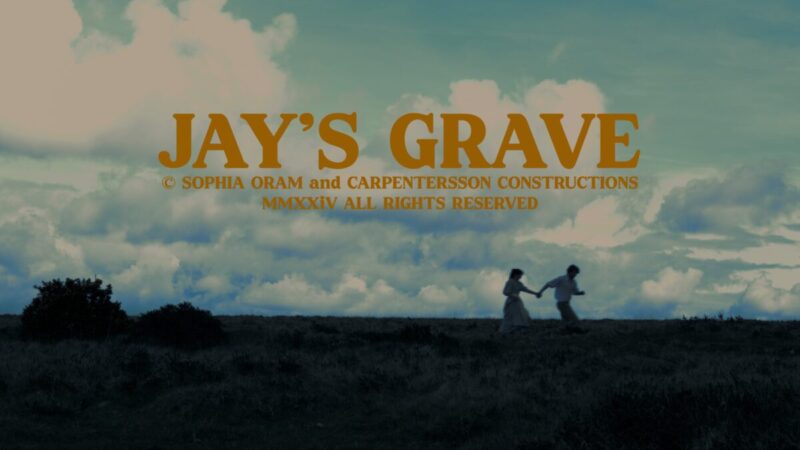
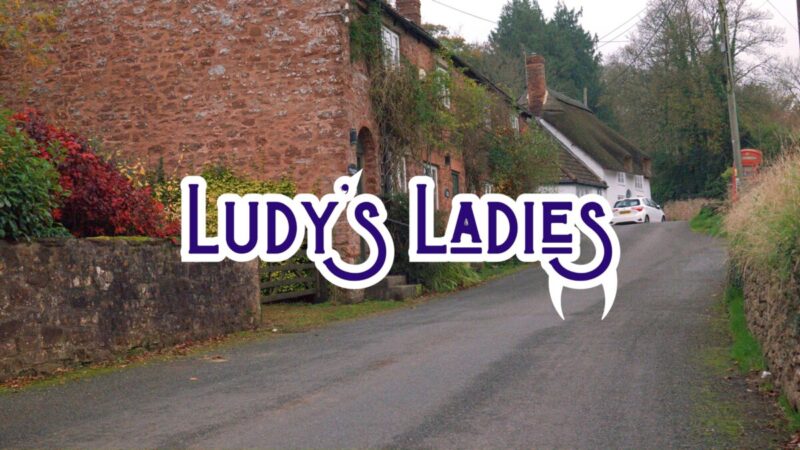
In a new exclusive Southend Film Festival Interview on Blazing Minds, I got a chance to ask Director Justin Carter a few questions about his films ‘Ludy’s Ladies’ and ‘Jay’s Grave’
Ludy’s Ladies will be playing at the Southend Film Festival on Saturday 7th June at 11am as part of Mostly Made in Southend Part One.
Jay’s Grave will be playing at the Southend Film Festival on Saturday 7th June at 6.30pm as part of Mostly Made in Southend Part Two.
Q. You have 2 films which have been selected to play at the Southend Film Festival. Can you tell us what we can expect from these films?
A. They’re two very different productions. Ludy’s Ladies is a comedy sketch set within a village tea party of sorts. The host is a bit unusual and this feeds into the conversations taking place. There isn’t a great deal of movement in it, so it feels like a short stage play or a multi-cam sitcom, without the laughter track. It’s lots of fun.
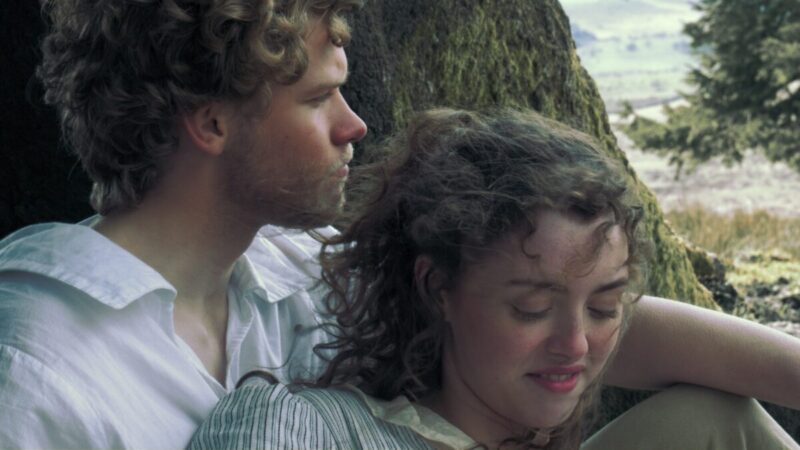
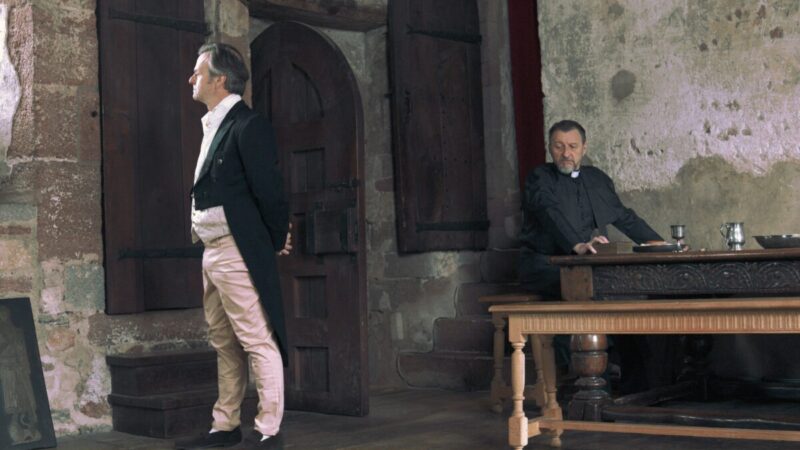
Jay’s Grave is a very different beast. It’s a romantic tragi-drama based upon the Devon legend of Kitty Jay. It’s a period piece with a large scope, lots of movement, and is visually striking.
Q. Ludy’s Ladies was written by Isabella Esposito, and Jay’s Grave was written by Millie Hine and Sophia Oram. What attracted you to the scripts when you first read them?
A. I wasn’t supposed to direct Ludy’s at first. I was only supposed to photograph it for Bella. She was
supposed to direct her own script, but she chose to focus on her performance instead. She plays Ludy. She’s a wonderful performer and collaborator. I’ve only known Bella for about eighteen months, and
we’ve worked together on quite a few productions in that time. She has enormous potential, and she
works hard. That’s very encouraging and I’m always keen to work with crew like that.
Ludy’s is a micro short and I liked that it was a great piece of focused comedy writing and I thought we’d all have fun doing it. It had been a very long time since I’d last had the opportunity to direct a comedy, so that also appealed to me.
Jay’s Grave was the opportunity to work on a period piece and try my hand at something on a majestic scale. I’ve never met Millie, but it was a passion project for the film’s producer and lead actor Sophia Oram. Their script was light on dialogue, so it was a project where my visual storytelling skills would be the driving force. That freedom to create is very attractive, especially when I’m not responsible for the organisation of all the moving parts. Sophia did a wonderful job producing such an enormous project.
Q. What were some of theinfluences for the look and style of each film?
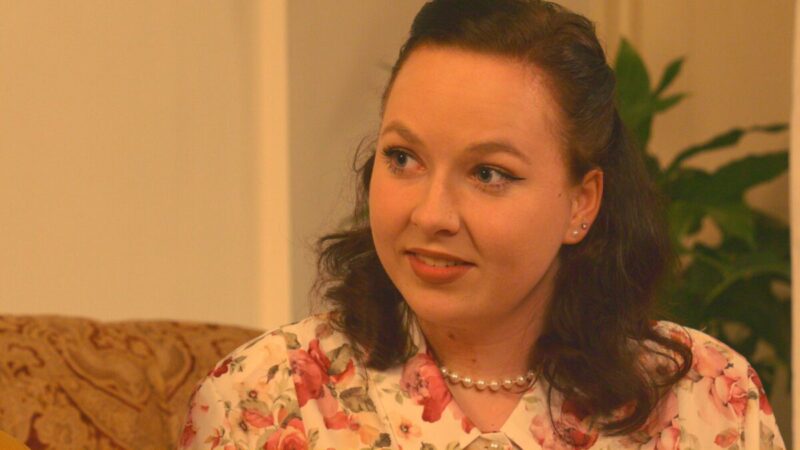
A. Ludy’s look was all about colour and composition of just a few camera sets ups. The location, wardrobe and set dressing were quite particular, but my lighting was rather straightforward. You only have to look at the wide shot of the living room to tell exactly what we were doing. The colours and patterns are perfectly positioned, even down to the fabrics or a touch of green from a plant I dressed in the back of the room.
The joy of Ludy’s Ladies was that the technical filmmaking wasn’t the priority. The line delivery by the performers was. All five women were on top form, and I was able to keep long takes in the edit which showed off their comedy timing. I’d say that The Umbrellas of Cherbourg (1964) influenced the colourful look while the firecracker dialogue delivery of films such as His Girl Friday (1940) informed what we did with performance.
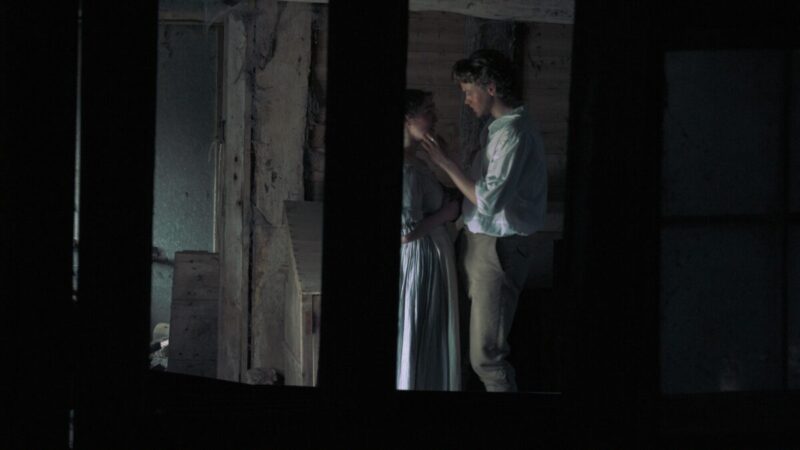
Jay’s Grave, on the other hand, was influenced by windswept romantic costume drama adaptations like Wuthering Heights and Jane Eyre. As well as directing, I performed cinematography on Ludy’s and Jay’s Grave. I’ve worked on period dramas since, but Jay’s Grave was my first. I was shooting digitally, and I’m often annoyed at the clean look of digital photography on some period pieces. It seems to betray the content. There’s a great deal of landscape photography, and candlelit scenes, so I leant into an earthy, painterly look when lighting and grading the imagery. Not only does that look great it also feels more in line with a legendary story set in the 18th century.
Q. Were there any elements of the original scripts which were adapted during filming?
A. Ludy’s Ladies was extremely straightforward as it’s predominantly dialogue driven and not much was changed. There was a line flub during an early take which provided us with an additional joke which we added to the dialogue from then on. That was about it. Location choices on Jay’s Grave provided me with the opportunity to adapt action to make it more interesting from a visual perspective.
I also fattened up the love story as the courtship was rather anaemic on the page. I just had another
read of the script to remind me. The jump from lovers meeting to marriage proposal happened in the
space of a single page originally, and I just didn’t buy it. But other than that, the rest of the script reads
pretty much how we made it.
Q. What weresome of your favourite moments whilst making each film?
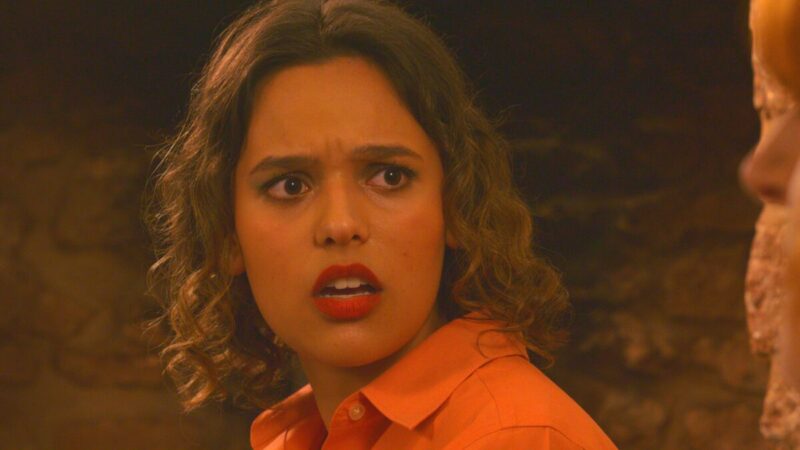
Ludy’s Ladies was a single day shoot on a last-minute production. I hadn’t met three of the five cast members until the day of the shoot and it’s always great to meet new collaborators, but you never can tell if things are going to pan out well if you haven’t had the opportunity to prep and rehearse properly.We were flying by the seat of our pants, and yet, we pulled it off. I knew as we started shooting the first
take that it was all working. That’s extremely satisfying. There was a lot to do on Jay’s Grave because
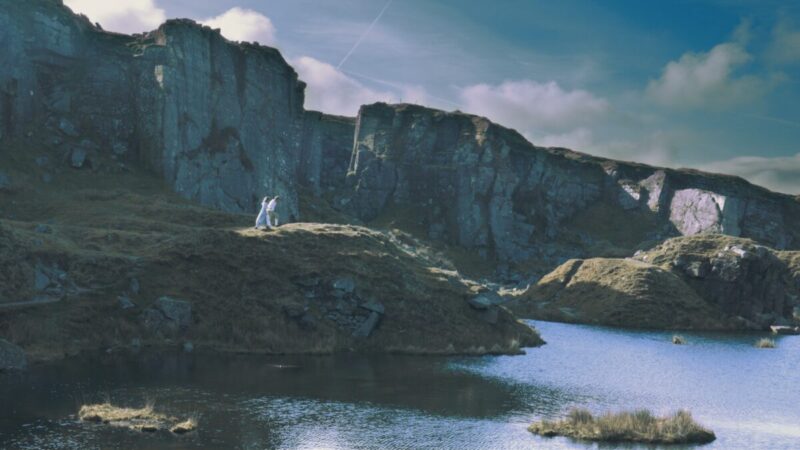
the scale was enormous. We were filming at locations such as farmhouses, barns, a quarry, Dartmoor,
St. Nicholas Priory in Exeter and at Jay’s Grave itself, so I didn’t get the opportunity to kick back and appreciate much of it in the moment. I’m not one to lark about on set but there was one hilarious moment that still makes me chuckle. I was lighting a scene in Jay’s Grave, and I just couldn’t get one of the great big candles to light. I went through a few matches before one of the crew pointed out that I was holding one from a batch of battery-operated candles. I didn’t have the opportunity to feel foolish as it was just so funny. The sense of accomplishment of having shot and directed a film like Jay’s Grave is the favourite moment there, I think.
Q. Did you experience any issues whilst making the films?
A. No serious issues, just the logistics of filmmaking. The problem solving. Fitting cast and crew and lighting and boom mics and a camera into tiny spaces. Always a pain. But it is what it is. Ludy’s was just a race against time. The location was an Airbnb rental, and we’d made a deal on it, so our time there was rather limited. Plus, the cast all lived far from location, and we had no option to run over as last train times for them were obviously set in stone. We stayed on schedule and everybody got home safely, so job done. We had a little more flexibility on a couple of the shoot days on Jay’s Grave, but we were constantly fighting the light on our exterior shoots. There was either too much or not enough. Again, you just have to deal with it, especially if your budgets and resources are limited. And they were.
Q. What do you hope people will take away from each film?
A. I hope the audience has a good time and laugh a lot at Ludy’s. It’s been ridiculously popular so far. It’s short and sweet, and it exists simply to entertain. I hope the audience appreciate just how good that cast is and how brilliantly they perform. As for Jay’s Grave, I’d like for it to resonate with the audience. It’s tragic, and romantic, and I hope that it moves people.
Q. Do you have any other projects which you are working on?
A. Yes, I’m constantly working on material. I racked up about three dozen separate credits on productions last year as a screenwriter, cinematographer, editor and director. I’ve just finished shooting a drama with one of the Ludy’s cast, actually. That’s at the rough-cut stage. As is this poetic drama I photographed in February for a regular collaborator of mine, Sam McLoughlin. It’s titled The Breakwater and it’s rather beautiful. It’s set on the Cornish coast and is about a young woman who’s grieving the loss of her Father. And I’m days away from finishing the shoot on the pilot for a techno thriller web series titled Wild Wild West for my Ludy’s collaborator, Isabella Esposito.
There are several other productions pencilled in my diary for the rest of the year, so it’s shaping up to be just as productive as my 2024. I don’t rest on my laurels.
Q. If someone is looking to get into filmmaking themselves, what advice would you give them?
A. Graft. I’m seen as a bit of grumpy sod because I focus on getting the job done. I’m like a shark. I keep moving. I don’t lark about, and my stuff is better for it. I’ve worked behind the camera for some up-and-coming filmmakers who are like observers on their own film sets. I have a problem with that. Everyone else ends up doing all the heavy lifting for characters who think they’re the next Martin Scorcese. I don’t have time for people who are impressed with themselves simply because they’ve taken a selfie with a clapperboard. And there’s a lot of those. Talk is cheap. So, my advice is, do the work. It is work. Even if it’s a passion project for you.
You need to understand the logistics of filmmaking. Get a camera. One with a lens. Learn how the thing works. Learn about lighting. Do all this on your own or with a tiny group before venturing into a large project. Or go and work as a runner on an experienced filmmaker’s production. And make sure you do that job. Don’t see it as an opportunity to network. That’s not why you’re there. Watch how it’s done. Learn. Don’t assume you can do it simply because you’ve seen a film or a behind the scenes featurette on YouTube. You need to understand how to achieve the shots you want and how they fit together in an edit.
And directing isn’t just about blocking and achieving the shots. It’s about being the person who can roll with the punches when it all goes wrong. And it does. Frequently. If you think you’re that person, then go for it.
Ludy’s Ladies will be playing at the Southend Film Festival on Saturday 7th June at 11am as part of Mostly Made in Southend Part One.
Jay’s Grave will be playing at the Southend Film Festival on Saturday 7th June at 6.30pm as part of Mostly Made in Southend Part Two.
You can find out more about the festival and purchase tickets for both ‘Ludy’s Ladies’ & ‘Jay’s Grave’ here:

Published in various websites, Philip is a reviewer who is best known for his interviews and media coverage of independent projects including; films, books, theatre and live events. Always on the lookout for something different to cover!