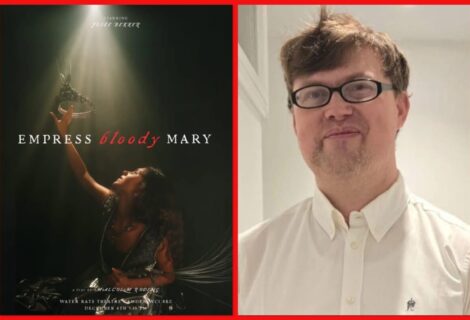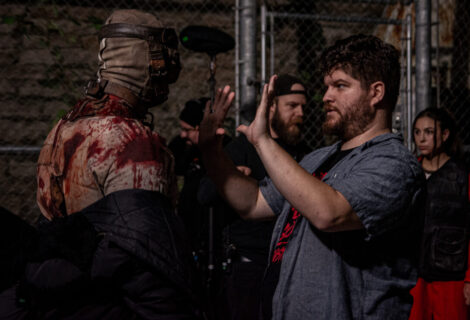


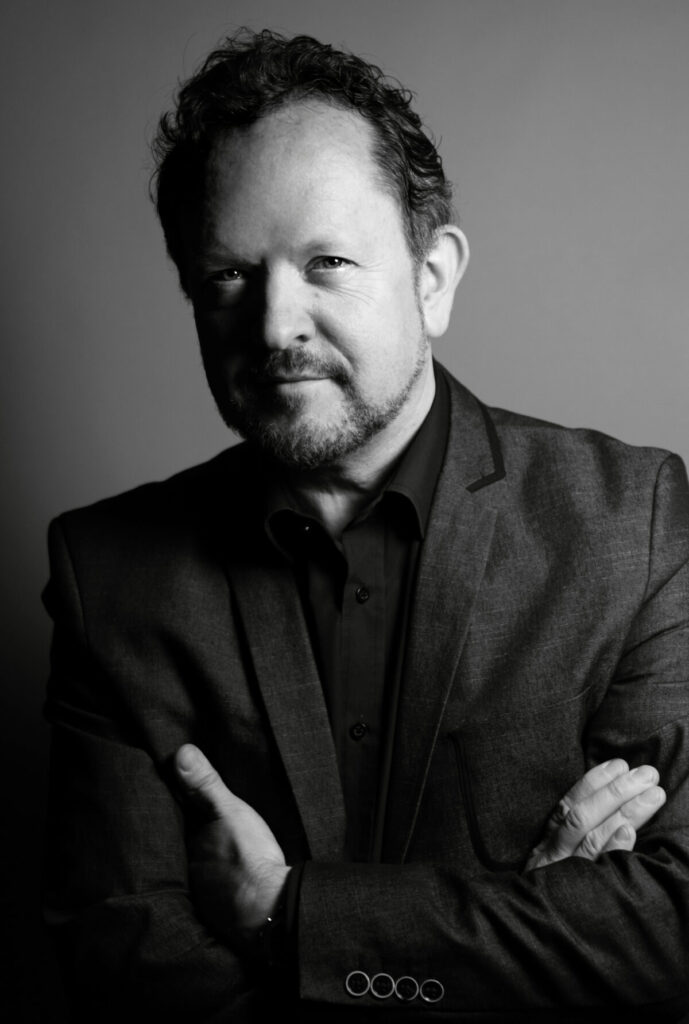
Director Simon Frith
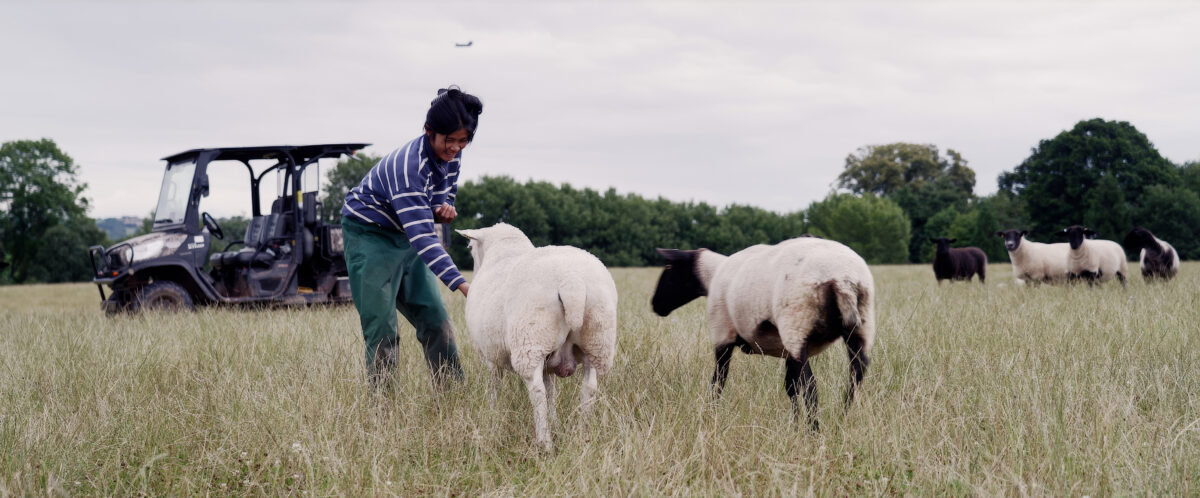
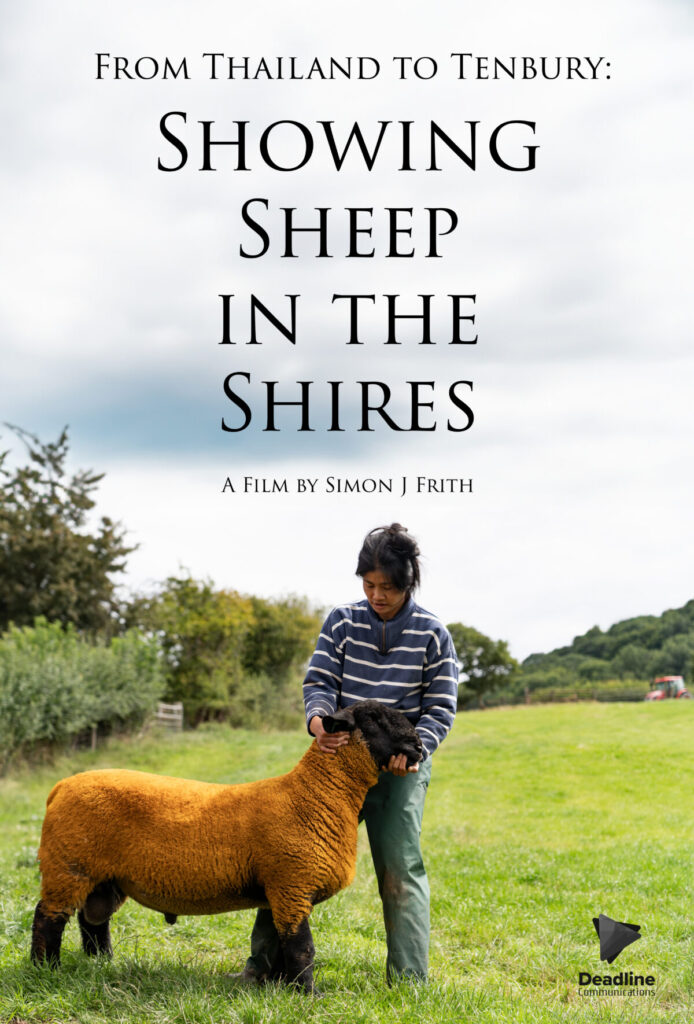
Synopsis: Growing up in Thailand, the one thing Benni definitely didn’t want to be was a farmer. Meeting Jeremy changed everything, and together they now breed and show Suffolk Sheep in the green pastures of England. Her first ever country show, the Royal Welsh Show, is fast approaching, but will they triumph with the coveted rosettes or is it all just a life of blood, sweat and shears? A heart-warming insight into the 24/7 life of sheep breeders in the UK.
In a new exclusive interview leading up to the Southend Film Festival I got a chance to ask Director Simon Frith a few questions about the documentary ‘From Thailand to Tenbury: Showing Sheep in the Shires’.
From Thailand to Tenbury: Showing Sheep in the Shires will be playing at the Southend Film Festival on Saturday 8th June at at 11:00am.
Q. Can you tell us what we can expect from your documentary From Thailand to Tenbury: Showing Sheep in the Shires?
A. This first and foremost is a human story of dedication and hard work. It’s not a technical film for the farming community, so it should appeal to everyone. It’s also got lots of animals.
Q. What made you decide to create a documentary about sheep breeders
A. I discovered the story of Benni, the farmer who definitely didn’t want to be a farmer, purely by accident. I visited the Airbnb that Benni runs on their farm in Worcestershire for a holiday with my family, essentially because the farm and I share the same name, Frith. I didn’t intend to make a movie, but after meeting Benni and Jeremy, witnessing first-hand just how full-on their sheep-filled lives are and just how lovely they are as individuals, ideas started to blossom. I returned three more times to film at different periods in their annual cycle, including their participation in the Royal Welsh Show.
Q. What sort of preparation did you do for the documentary?
A. I typically do a lot more research, and have a plan, but as this film wasn’t preconceived, I was pretty-much making it up as I went along. That said, I’m reasonably adept at understanding unfamiliar processes and finding a compelling story within, so maybe it’s not as random as that might seem.
Q. Did you make a changes to the documentary from what you originally planned?
A. The finished film is pretty-much what I originally had in mind at the start, but as I was visiting the farm multiple times and filming over the course of a year, I had the opportunity to revisit areas that maybe didn’t have enough detail and record new interviews and film new content. This enabled me to construct the most compelling narrative.
Q. What were some of your highlights when filming the documentary?
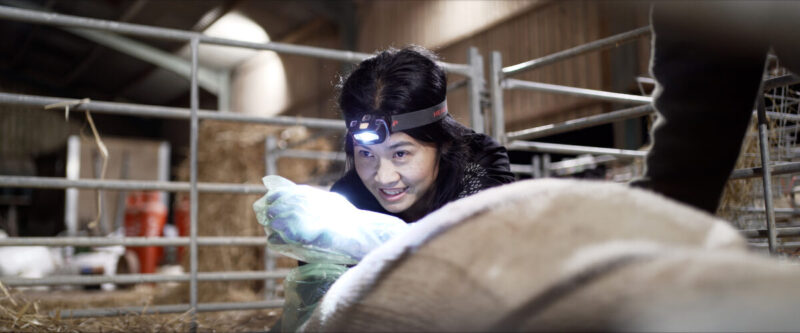
A. I think being close to a way of life that is different to my own is always special. But I guess the highlight for me was filming the lambs being born and then seeing them grow over the months that followed. It was also exciting experiencing the country show from the perspective of the exhibiting farmers, getting that behind-the-scenes insight.
Q. What do you hope people will take away after watching the film?
A. Farming plays a crucial role in our lives, regardless of whether we consume animal products or follow a vegan lifestyle. Yet it’s an industry that, as consumers, many of us know very little about.
Staying on the farm and making the film enabled me to discover a way of life that – despite its importance – had been invisible to me, and so this film is my opportunity to shine a spotlight on and reveal that world for others to see and value.
Q. Do you have any other projects which you are working on
A. Yes, but they’re in very early stages of development, so you’ll need to check back later.
Q. If someone was looking to put together their own documentary what advice would you give them?
A. Documentary filmmaking is very different to scripted filmmaking, as you don’t always know exactly what you’re going to get when you start making the film. You’ll typically film hours and hours of narrative building interviews and then spend days and days sifting through it all to try and piece together a workable narrative. In short, you’ll dedicate a huge amount of your time to the project, so ensure you pick a subject that you are passionate about, even if, at first, you know very little about it. Secondly, in my opinion, people are more interested in human stories than technical processes, so find the humanity within the topic that you select. Documentaries don’t need to hard-hitting or world-changing, but they do need to be engaging and entertaining.
In a world filled with doom and gloom news stories pretty-much 24/7, I like to make films that celebrate humanity, positivity, and inspiration, to remind people that there is good and hope in the world. My last feature, Under the Radar: The Mike Edmonds Story did that, and I believe that From Thailand to Tenbury: Showing Sheep in the Shires follows in the same mould.
You can find out more about Simon Frith and his projects on the following websites and social media Website: www.deadlinecommunications.co.uk
Vimeo: https://vimeo.com/deadlinecomms
Instagram: Simon J Frith (@redstable) • Instagram photos and videos
YouTube: https://www.youtube.com/@SimonJFrith
IMDb: https://www.imdb.com/name/nm5607193
You can find out more about the Southend Film Festival on the website

Published in various websites, Philip is a reviewer who is best known for his interviews and media coverage of independent projects including; films, books, theatre and live events. Always on the lookout for something different to cover!