

Life After Operation Whirlwind (2016)
Director: Attila Kiraly
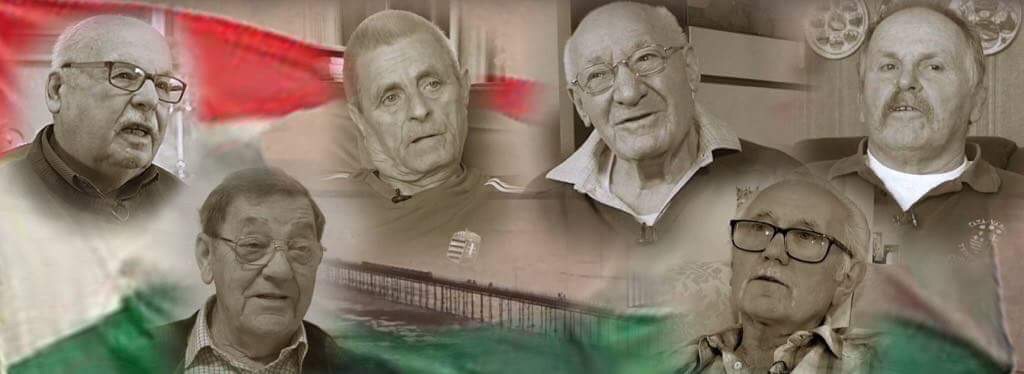
This intensely moving documentary presents personal histories of six Southend-based elderly Hungarians who took part in the Revolution of 1956 and examines the reception they received when they arrived in the UK following ‘Operation Whirlwind’, the brutal suppression of the uprising by the Soviet Army. Archive photographs and documents supplement their oral histories. The documentary is in two 30 minute parts, with the first detailing what happened in Hungary in 1956 and the second focusing on their escape through the Austrian border and their arrival in the UK.
The Southend-on-Sea Film Festival will be returning for its 11th year from 23rd May to 27th May. In preparation for the event I got an opportunity to ask director Attila Kiraly a few questions about what we can expect from his new film Life After Operation Whirlwind which has been selected to play at the festival.
Q. Operation Whirlwind has been selected to play at The Southend-on-Sea Film Festival. What can we expect from the film?
First and foremost, you can expect to warm your heart, and also to spend a lovely hour in the company of five honest men telling you their secrets about women, politics, English food, the communists, Southend and a lot more.
Q. What inspired you to make the documentary?
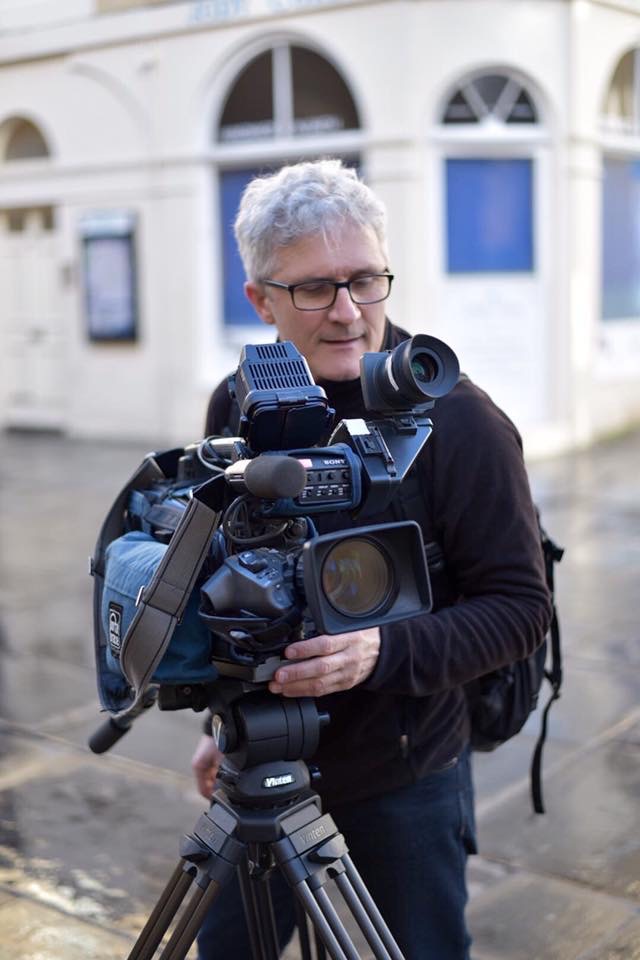
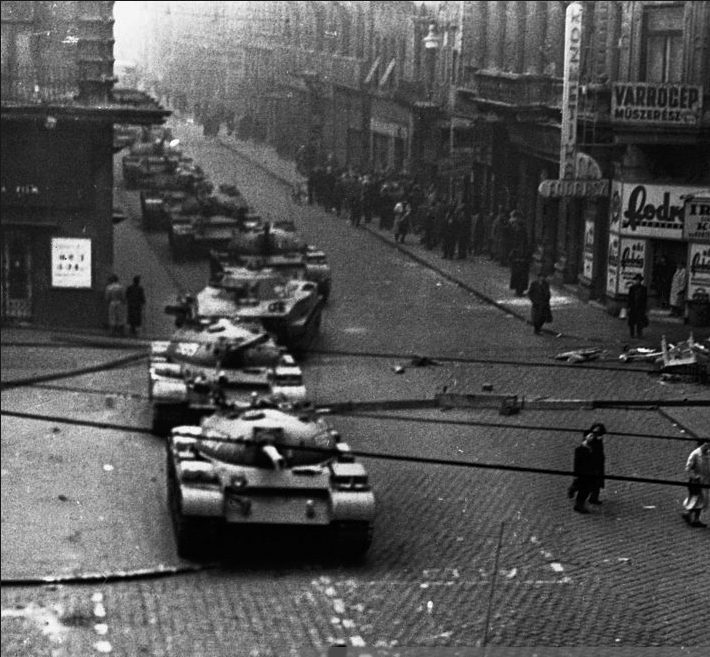
A few years ago, while I was filming the siege of Misrata (in Libya) I have seen a lots of young men dying front of me. Then as a Hungarian man myself I realized that this was the exact same hell when in 1956 the Soviet tanks strangled the revolution of my father’s generation into blood. So, when I met a few elderly Hungarian emigres in London I began to research this moment in history.
Q. Did you experience any issues or challenges whilst making the film?
I set my expectations to my limits right from the beginning, so things went pretty smooth and I truly enjoyed the whole experience of making it.
Q. What were some of your favourite moments during filming?
When a filmmaker is making a deep interview, she/he receives a ‘permit’ to travel into someone’s intimate sphere. When I sense this while making a film, I can forget all the technical aspects of the process and time travel together with the person front of me like an old friend of mine. These are always remarkable moments!
Q. Did the film change at all from the original concept which you had planned?
It is the nature of documentary filmmaking to set a target at the beginning, but the participants or the events will set their own course. Our aim was to have a personal angle of the 1956 revolution and how the British society reacted to the crises. We not only have achieved this historical and sociological target, but our characters opened up a soulful and intimate world about Britain and Hungary in the mid-1950s’.
Q. The documentary is in two 30-minute parts, with the first detailing what happened in Hungary in 1956 and the second focusing on their escape through the Austrian border and their arrival in the UK. Was there any additional footage which you would like to have kept in the film?
I have gone through most of the available archive footage of the event owned by British Pathe and the Hungarian National Archive, plus viewed most of the newsreels were filmed on location at that time. But our tight budget only permitted a fragment of the original 16mm footage available to be used in the film.
Q. What do you hope people will get from watching the film?
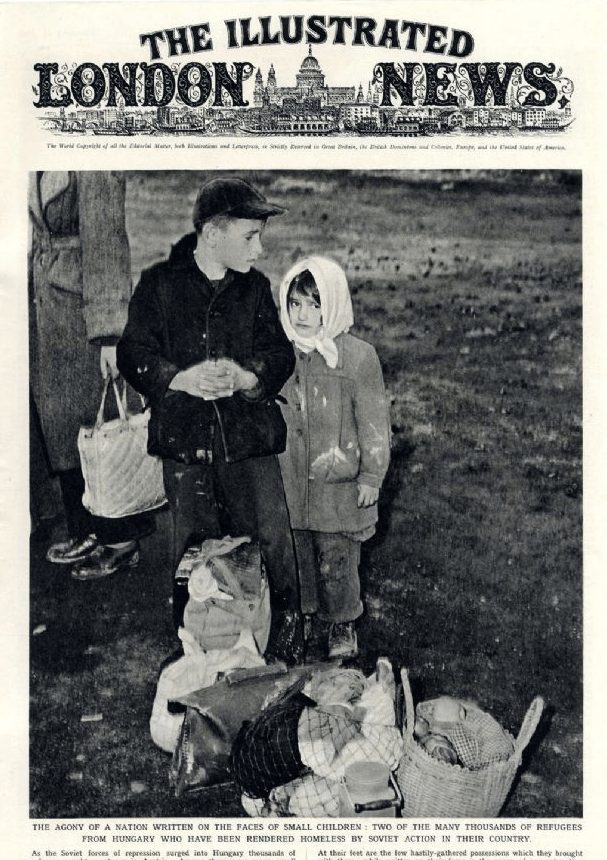
Immigration, foreigners, integration, relations between the UK and the EU are words often present in our daily lives now days. Watching the documentary one can learn how all those things has been done more than sixty years ago in Britain. I do not want to ‘sell out’ the story but we can learn a lot from the amazing response of the British society and the way they helped the ‘heroes’ of a faraway revolution!
Q. Did you learn anything new from the experience?
Making a documentary is also a tremendous historical and social learning curve. And it is not only a dry process of information gathering from personal accounts or dusty film archives but a personal journey into someone’s otherwise confidential inner world.
Q. Do you have any new projects which you are working on?
Beside working as a news cameraman on different locations from Bangladesh to Brussels, I have been working on another ‘immigrant’ documentary but at this time it will take the viewers into the future, during ‘post-brexit’ times.
Q. If someone is looking to direct own film, what advice would you give them?
Nowadays to buy a DSLR and a laptop and make a ‘video’ is possible to almost anyone. But to go beyond… Stick to your story or to the story you know the most. Talk about things you have been through yourself or have deep feelings about it. Obviously if someone wants to make a lot of money with motion pictures, well that is a different story and I am not the right person to give advice regarding that!

The Southend-on-Sea Film Festival runs from Thursday 23rd May to Monday 27th May. You can find out more about the event and purchase tickets on the website https://www.southendfilmfestival.com

Published in various websites, Philip is a reviewer who is best known for his interviews and media coverage of independent projects including; films, books, theatre and live events. Always on the lookout for something different to cover!