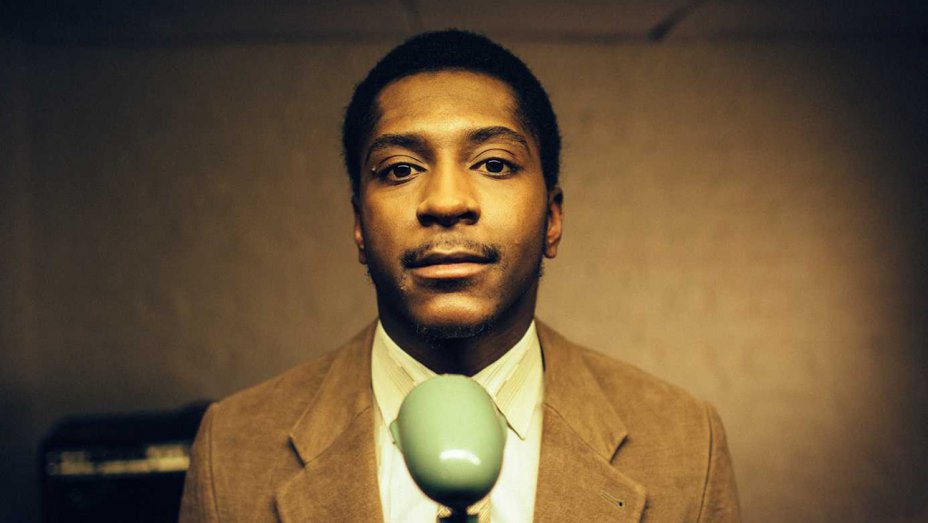


Rudeboy: The Story of Trojan Records (2018)
Director: Nicolas Jack Davies
Stars: Song-Hung Chang, Andre Dwayne, Marcia Griffiths, Toots Hibbert, Sally Horwill
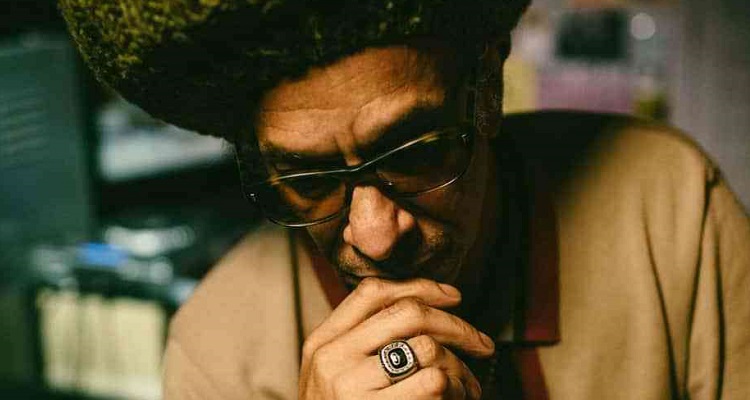
A film about the love affair between Jamaican and British Youth culture told through the prism of one the most iconic record labels in history, TROJAN RECORDS. Combining archive footage, interview and drama – RUDEBOY tells the story of Trojan Records by placing it at the heart of a cultural revolution that unfolded in the council estates and dancefloors of late 60’s and early 70′ Britain and how that period of immigration and innovation transformed popular music and culture. Told by a cast of legendary artists including Lee ‘Scratch’ Perry, Toots Hibbert, Ken Boothe, Neville Staple, Marcia Griffiths, Dave Barker, Dandy Livingstone, Lloyd Coxsone, Pauline Black, Derrick Morgan and more.

The Southend-on-Sea Film Festival will be returning for its 11th year from 23rd May to 27th May. In preparation for the event I got an opportunity to ask director Nicolas Jack Davies a few questions about the film Rudeboy: The Story of Trojan Records which has been selected to play at the festival.
Q. Rudeboy: The Story of Trojan Records has been selected to play at The Southend-on-Sea Film Festival. What can we expect from the film?
Firstly, great music. Really great music. Then after that hopefully an honest and passionate take on the social and cultural importance of Jamaican music at the time in the UK and it’s continued influence since then.
Q. How did the idea for Rudeboy: The Story of Trojan Records come about originally?
Originally the ‘50 years since Trojan formed anniversary’ was coming up and a film was one of the ideas that was floated to honour that landmark. That started everything going and then a lot of contemporary issues in the UK at the time we started making it (16/17) – like immigration, social integration – started to rise in the news and in all our communities and the Trojan story seemed even more relevant to tell because of that. It felt very contemporary, not just musically, and therefore more power came to the project.
Q. What is it about the music of the time that has made it hold up so well today?
It’s simplicity, it’s authenticity. It’s so accessible and once it gets under your skin, you’re in. If you compare ‘A Message to You, Rudy’ or ’54-46’ to the records The Beatles and The Rolling Stones made at the same time, I think they’ve aged so well in comparison.
Q. How much of an impact has Trojan Records had on today’s music?
A huge one. I don’t make music but I’m certain if you were to ask musicians and producers across the UK, if not the world, they would say the records that come together to form the Trojan catalogue influence on the music of the last 50 years is vast and felt everywhere across genres. From punk to drum n bass, and so on and so on.
Q. The film includes some archive footage. What was the process for tracking down original footage for the film?
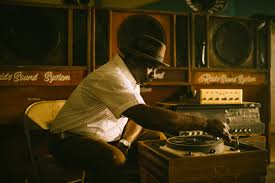
Really tough one because there was next to know footage of sound-systems in Jamaica or shebeens in the UK, no back stage or in studio footage of the artists recording or anything like that so we had to use contextual archive from the time and then recreate their memories and elements of their stories with drama.
Q. Whilst researching and talking to those involved in the industry, did it change how you perceived some of the aspects of Trojan Records and how it was at the time?
Oh yeah for sure.
Q. How difficult was it with scheduling to get so many artists to contribute to the film and were there any that you wanted who couldn’t participate?
Jimmy Cliff just couldn’t do it. I think we would have got him in the end but money and time were running out. Of course it’s never easy scheduling so many diaries but the thing I always thought was amazing about the artists we had is that they’re actually quite accessible, you can pretty much ring them direct or speak to someone close to them once you’ve got a foot in the door. They’re not an exclusive ‘VIP’ bunch.
Q. What was the hardest part of making the documentary and did you experience any difficulties?
Filming in 40 degree heat in Jamaica! Joking! Honestly the hardest thing was to decide the story we wanted to tell in the 90 mins we had, from a multitude of voices, and therefore huge bits of the greater story had to be sacrificed. We could’ve made a 4/5 hour long film but unless Netflix gave us a 5 part series then you have to present a clear narrative and not everything can be satisfied.
Q. What were some of your favourite moments whilst making the film?
Recreating the she been party that Dandy goes too was unbelievably fun. And interviewing Lee Scratch Perry was something I will never forget.

Q. Do you have any new projects which you are working on?
Annoyingly, nothing I can talk about just yet.
Q. If someone is looking to direct own film, what advice would you give them?
Be influenced, take advice, surround yourself with amazing people but in the end it’s your film, you will carry the can for it – it’s the curse and the privilege of directing – so make sure you love and believe in the subject, trust your instincts, and see it through.
The Southend-on-Sea Film Festival runs from Thursday 23rd May to Monday 27th May. You can find out more about the event and purchase tickets on the website https://www.southendfilmfestival.com

Published in various websites, Philip is a reviewer who is best known for his interviews and media coverage of independent projects including; films, books, theatre and live events. Always on the lookout for something different to cover!