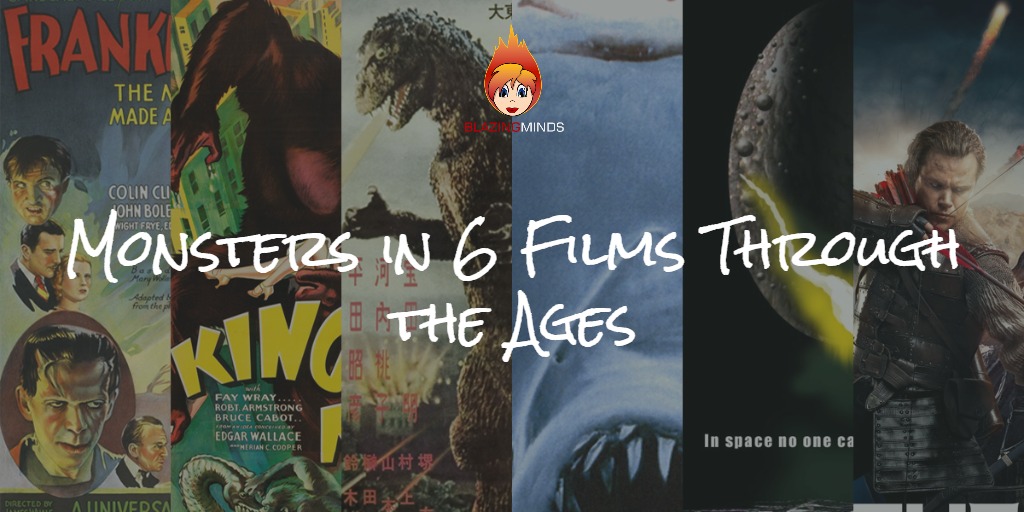


Over the years there have been plenty of giant, terrifying beasts that have been concocted in the imaginations of some of the world’s greatest filmmakers. Having graced the silver screen, many of these creatures have burrowed themselves into the minds of audience members for years after, playing on fears related to much wider social and cultural issues.
Most evident is the infamous ‘face-hugger’ and ‘chest buster’ from Alien, the concept of which plays on the fear of pregnancy; whilst Godzilla was quite clearly a metaphor for city-destroying bombs.
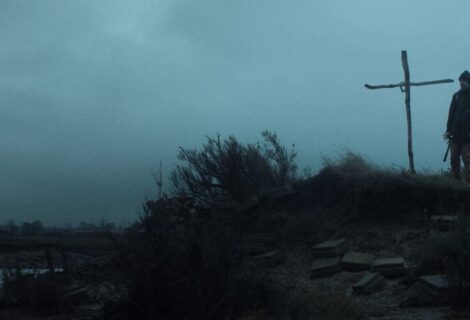
The latest batch of flesh-eating creatures to bless audiences with their presence comes from the epic fantasy action feature, The Great Wall, which arrives on Digital, 4k Ultra HD, 3D Blu-Ray™, Blu-Ray™, DVD and On Demand from June 12, 2017. To celebrate the release, we’re taking an in-depth look at the history of monsters in cinema, and attempting to get to the bottom of who is the most bad-ass beasty of them all!
Frankenstein (1931)
Before monsters that could scale buildings and trample cars made their way to the big screen, monsters that terrified audiences were much more relatable and human-like. Put this down to budgetary or technological constraints if you wish, but this most likely revolves around people becoming paranoid about their human counterparts between Europe’s world wars. “Frankenstein” is the name of the mad scientist who creates a monster by taking body parts from dead people. Upon placing a brain inside the head of the monster, the doc is amazed to find that his experiment is alive. When the monster breaks free and mistakenly kills Maria, a young girl he meets down by the river, the town is up in arms and aims to bring Frankenstein’s monster to justice, only to find it attempting to kill his maker in an abandoned windmill. This could symbolise fear of parenthood around the age of the perfect suburban family in the US.

Karen Woodham is the founder and owner of the Blazing Minds. She is also a Cinema reviewer and works with RealD 3D reviewing the latest 3D releases and IMAX, she has also had several articles published in various publications including the first edition of SFW Magazine. In 2015 she became an Award Winning Blogger and also has her website listed as one of the UK’s Top 10 Film Blogs.