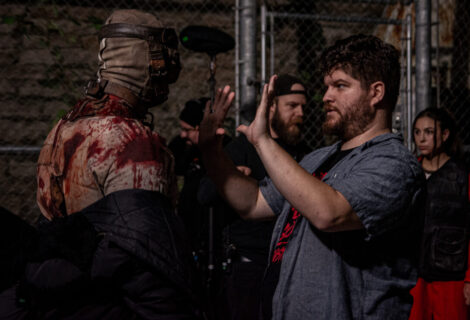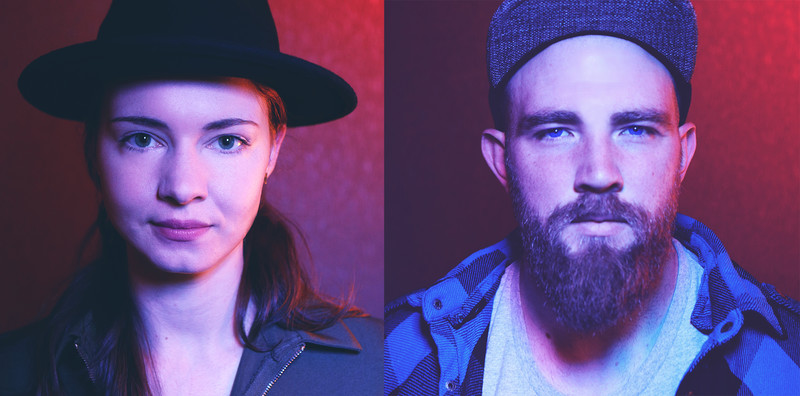


Director: Keir Siewert (KS in FAQ)
Producer: Alix Austin (AA in FAQ)
Writer(s): Keir Siewert & Anonymous
Actors: Sorcha Groundsell, Will Nash, Stephanie Siadatan, Amani Zardoe, Nina Yndis, Isabelle Bonfrer
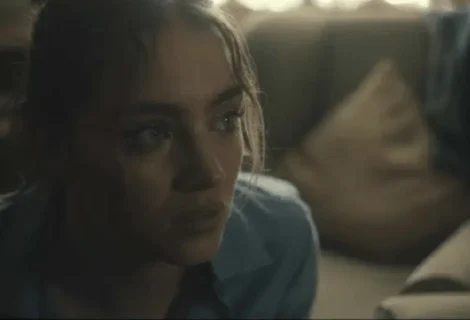
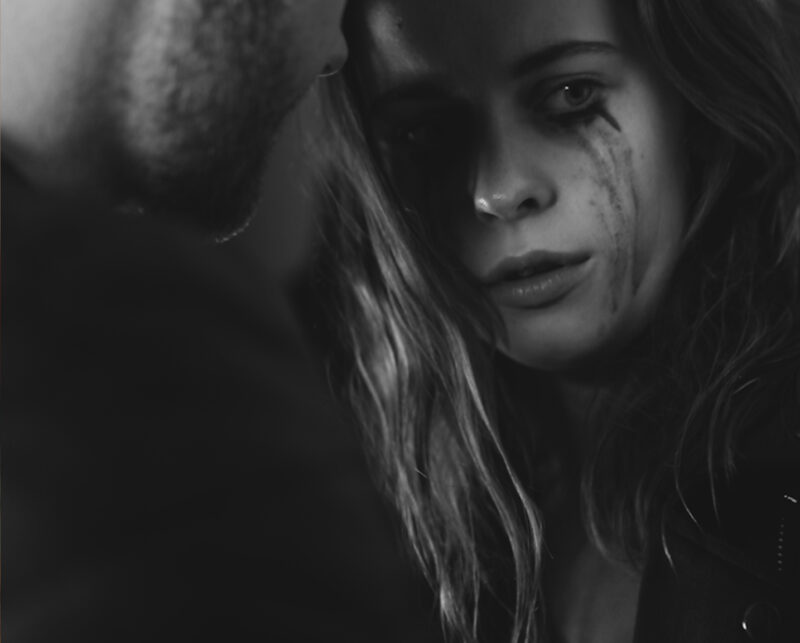
Synopsis: Based on real accounts, a model takes matters into her own hands to expose a serial predator in the photography world. Rhetta, an industrious model, sets up a shoot with a predatory photographer, notorious for his coercion tactics and aggressive actions. However, little does he realise that Rhetta has orchestrated this meeting as a sting to expose his inappropriate behaviour on an online video live stream.
With The Southend-on-Sea Film Festival will be returning once again from 26th – 29th May, I got an opportunity to ask Keir Siewert and producer Alix Austin a few questions about the film ‘Portrait‘ which has been selected to play at the festival on Saturday 28th May at 6.30pm
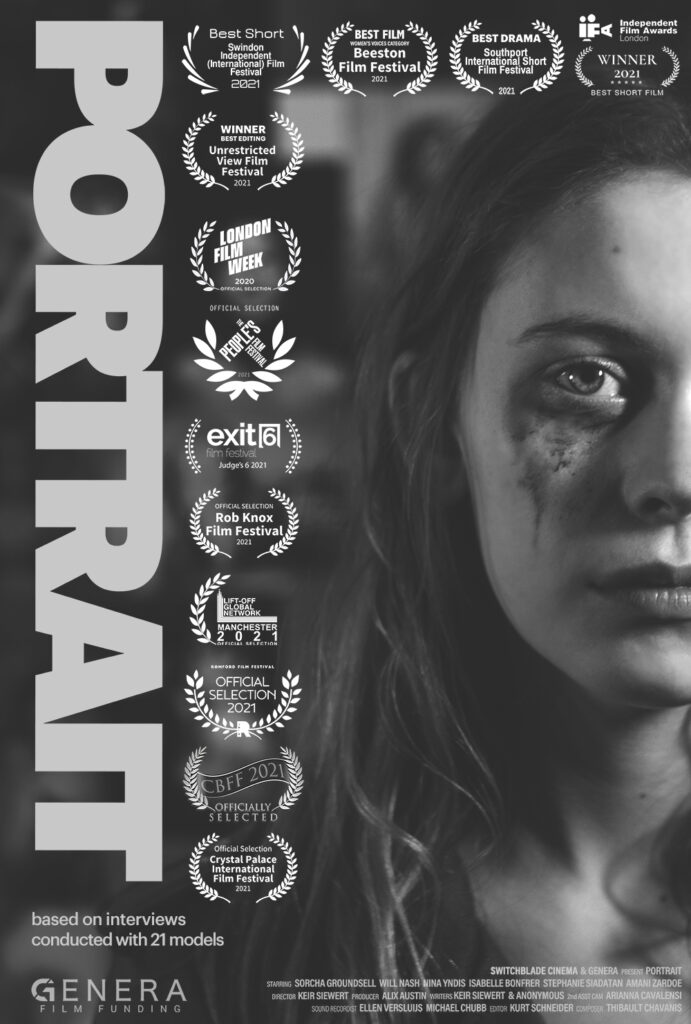
Q. What can we expect from the film?
AA: Portrait is a tense drama that we felt compelled to create after hearing a number of concerning stories from models we’ve worked with, about inappropriate behaviour and treatment by photographers.
Audiences can expect an uncomfortable, subjective experience of being in Rhetta’s shoes, as she attempts to catch predatory photographer Dixon red handed. The film’s intention is to start meaningful conversation regarding the abuse of power and prevalence of coercion in the creative industries and beyond.
Q. How did the idea for the film come about?
KS: Portrait initially came from an entirely innocent conversation. I was doing a photoshoot, chatting casually to the model and I asked her ‘what’s the weirdest shoot you ever had?’ What she told me shocked me so much and it has stuck with me ever since. She told me a photographer had once taken a break during a shoot to pleasure himself in the bathroom with the pictures he had just taken of her. It was a story I couldn’t get out of my head and ultimately became the catalyst for Portrait.
Though I’m predominantly a filmmaker, I’ve been taking photos for around five years now. One of my major inspirations when I first got into photography was the celebrity photographer Terry Richardson. However, much has come to light over the last decade about his behaviour and it made me start to reconsider and question how that imagery was achieved.
With these two things in mind, I started talking about the behaviour of photographers with other models I was working with. There seemed to be a consistent pattern of disrespect, rudeness and cruelty coming from an awful lot of people in the industry. So, I began formally interviewing some of them to include their contributions in the film and there were a sizable number of models who were willing to share, with the understanding that their contributions would be anonymous – and the amalgamations of these real stories are what are portrayed in the final film.
Q. What were some of the influences for the look and style of the film?
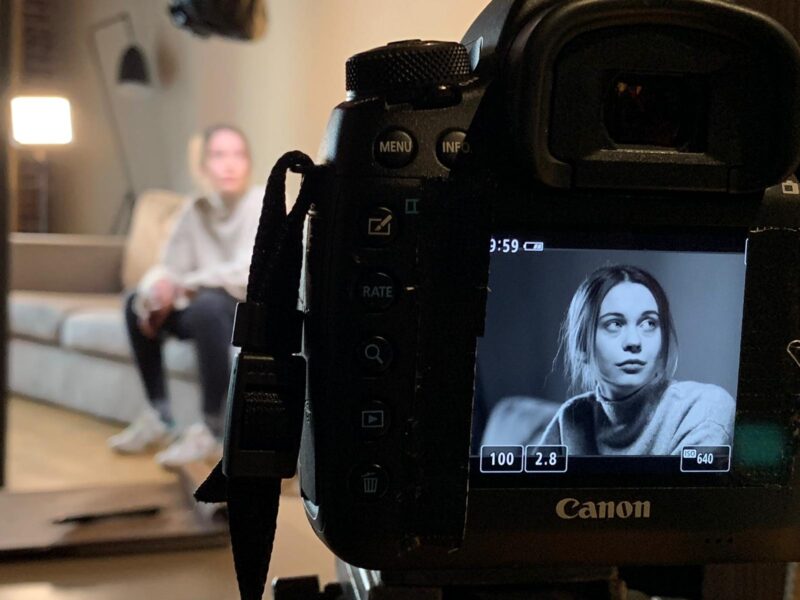
KS: I chose to shoot the film in a square aspect ratio because I liked that it created a more claustrophobic image. It gives the women in the film very little space or room. They are always hemmed in by the frame. This is why when the lead stands up to the photographer, the frame expands, giving her more freedom and space. I’m always fascinated by how film formats and aspect ratios can be used as a storytelling device. It’s the same reason I chose a mixture of black and white and colour imagery. For me, colour in the film represents truth and a certain euphoric expression. The black and white is the controlled, fake world of the photographer, the colour represents the truth coming to light.
Q. Were there any elements of the original script which were adapted during filming?
KS: In the script, the models’ thoughts come in the form of short one or two line soundbites, much like they do in the finished film. But I wanted the actresses to feel like they were giving a full performance of a character, not just saying specific lines.
So, I wrote each of them a monologue so that they could deliver the whole thing organically as one unified performance. Then I took the lines and sound bites I needed, like I would from an interview in a documentary. This was to help make everything feel more natural and representative of the true stories that the script was based on.
Q. Did you experience any issues whilst making the film?
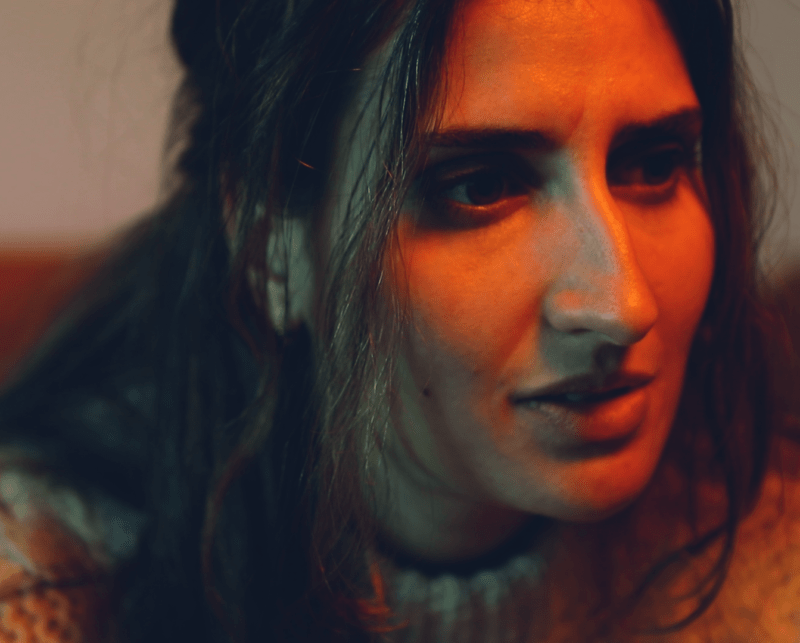
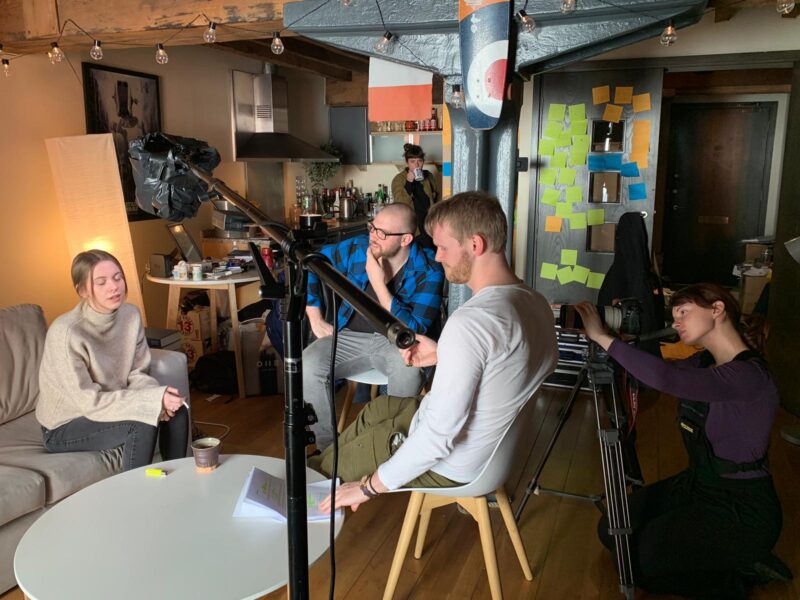
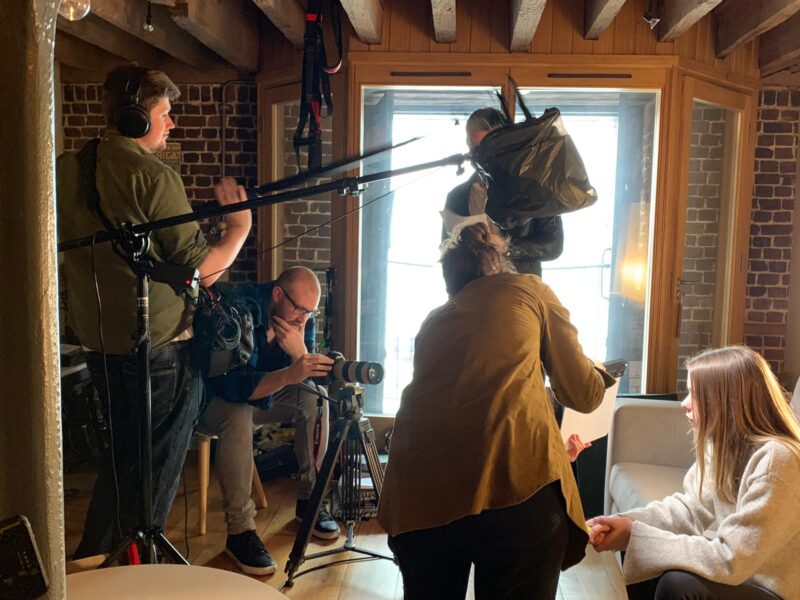
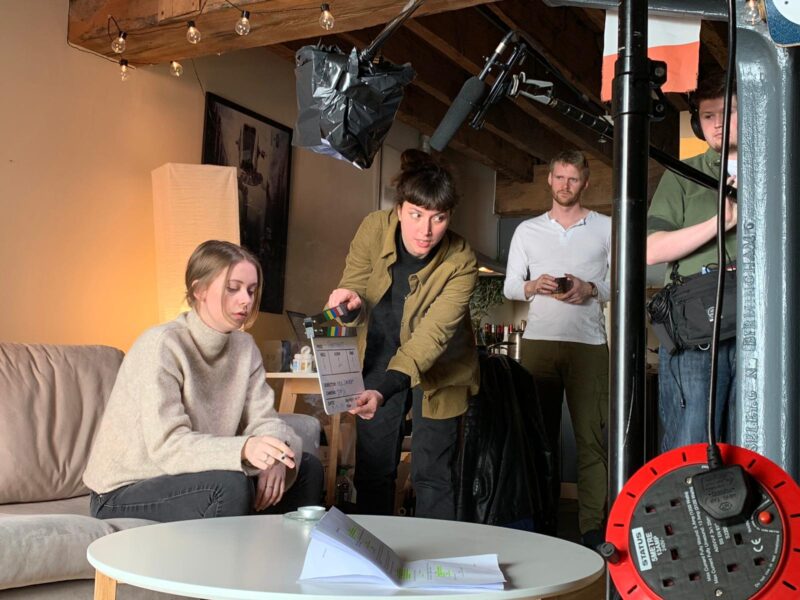
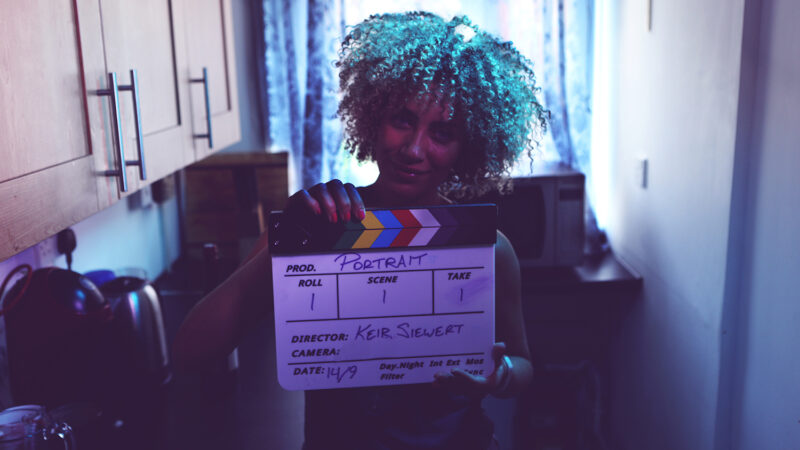
AA: The whole project was made for about £500 and though we’ve grown accustomed to working within our means, there were naturally limitations we had to work around.
As a result, the primary location belonged to the film’s composer Thibault Chavanis and was combined with segments shot in our flat and the flat of another friend.
We did have a lot of sound issues as we were shooting in residential flats (mostly neighbours having a fun time! I know, how dare they), but were lucky to be working with a fantastic sound team. The sound recordists made it work on location and this was enhanced by the sound mix in post-production by Natasha Haycocks. This is where the score by Thibault was also incredibly helpful as a constant companion to the film, but also supporting the increasing pace and tension of the film throughout.
The stranger and somewhat odd part of shooting the action across three separate locations was that it does mean that when the lead character, Rhetta, is staring at the photographs of the women at the beginning of the film, she’s actually looking at another wall in a completely different flat, halfway across the city. Near the end she leaves a flat in Canary Wharf and runs out into the corridor of an estate on the other side of London.
Q. What do you hope people will take away from the film
KS: Portrait has been both a labour of love but also a harrowing and eye-opening experience. It’s made me very conscious about how I act, and I hope it enlightens and affects others as well.
AA: Our hope is that Portrait will have the same effect on others that hearing the model’s initial story had on us. I hope it encourages people to have a heightened awareness and support those who are being exploited or mistreated to speak up and speak out.
Q. Do you have any other projects which you are working on?
AA: Yes! Keir and I are excited to be preparing for our debut feature film called KILL YOUR LOVER which we’re hoping to shoot later this year. It’s a horror feature with a punk edge and strong relationship drama at its core.
Picture ‘Blue Valentine’ meets the body horror of ‘The Fly’, or in the case of our films: ‘Portrait’ meets ‘RETCH’.
You can support the project on Greenlit here from May 17th: https://greenlit.com/project/kill-your-lover
For more information, hit us up on: https://www.switchblade-cinema.com/kill-your-lover
Q. If someone is looking to direct their first film, what advice would you give them?
KS & AA: Go for it and make some stuff. Just throw yourself into your first project. Don’t overthink it and make it as cheap as possible, so you give yourself room to fail. Accept that it’s probably going to be bad at first and keep learning to get better with each film.
You don’t even need to make your first couple projects public. It’s not a bad idea to send them to trusted friends who will give you constructive criticism and feedback, to pick up on the pros and cons that will help you reflect and progress on your next project. You should feel free to be inventive and sometimes that’s easier to develop without the instant and often shallow feedback from posting it online.
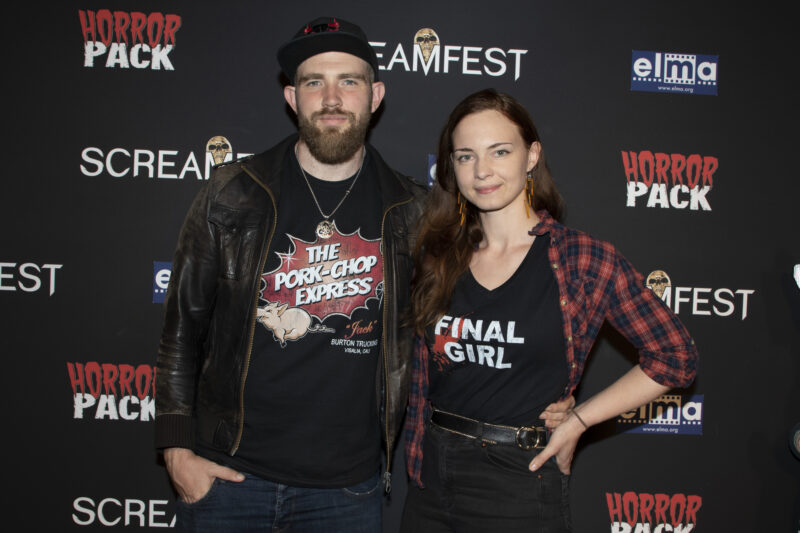
You can find out more about Alix Austin, Keir Siewert and Switchblade Cinema on the following websites and social media
Social media:
Instagram: Keir: @dirkeirsiewert – Alix: @alix.austin – Switchblade: @switchbladecinema
Facebook: https://www.facebook.com/switchbladecine
Greenlit campaign for feature film KILL YOUR LOVER – https://greenlit.com/project/kill-your-lover
The Southend-on-Sea Film Festival runs from 26th – 29th
You can find out more about the end and purchase tickets on the website here: https://www.southendfilmfestival.com/

Published in various websites, Philip is a reviewer who is best known for his interviews and media coverage of independent projects including; films, books, theatre and live events. Always on the lookout for something different to cover!