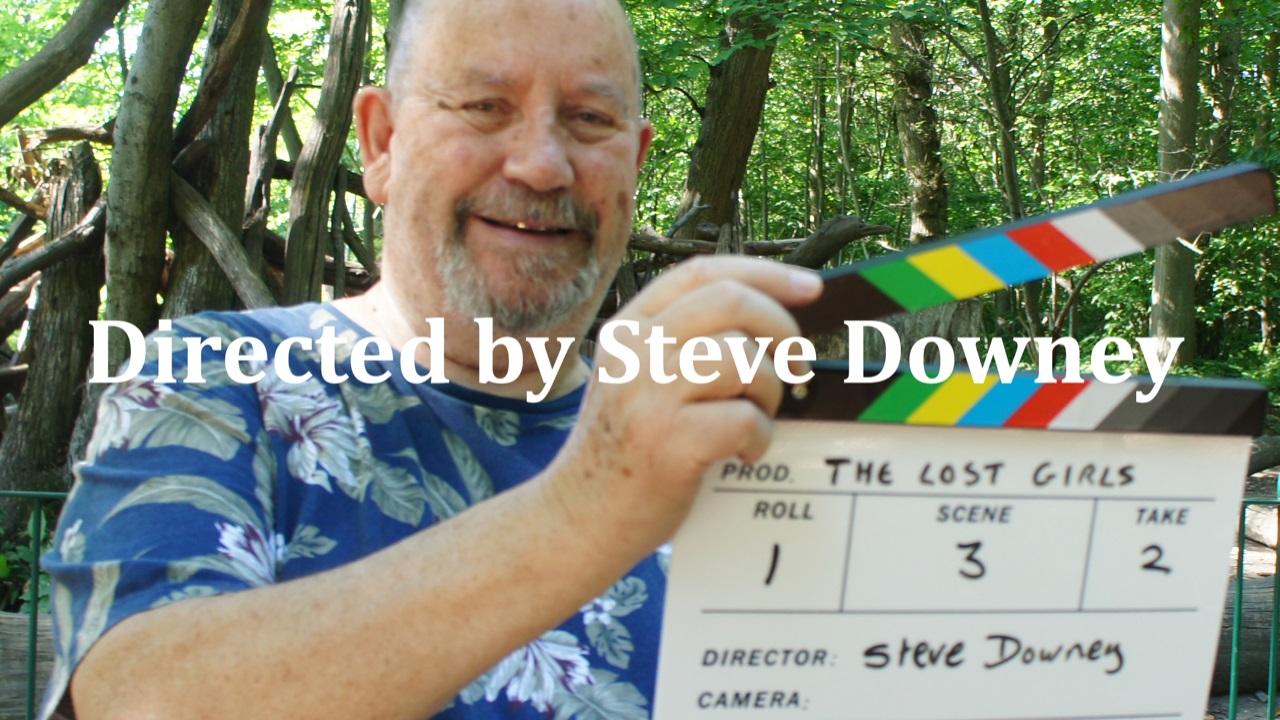


Director: Steve Downey
Writer: Christina Jane [C. J.]
Actors: Christina Jane [C. J.]
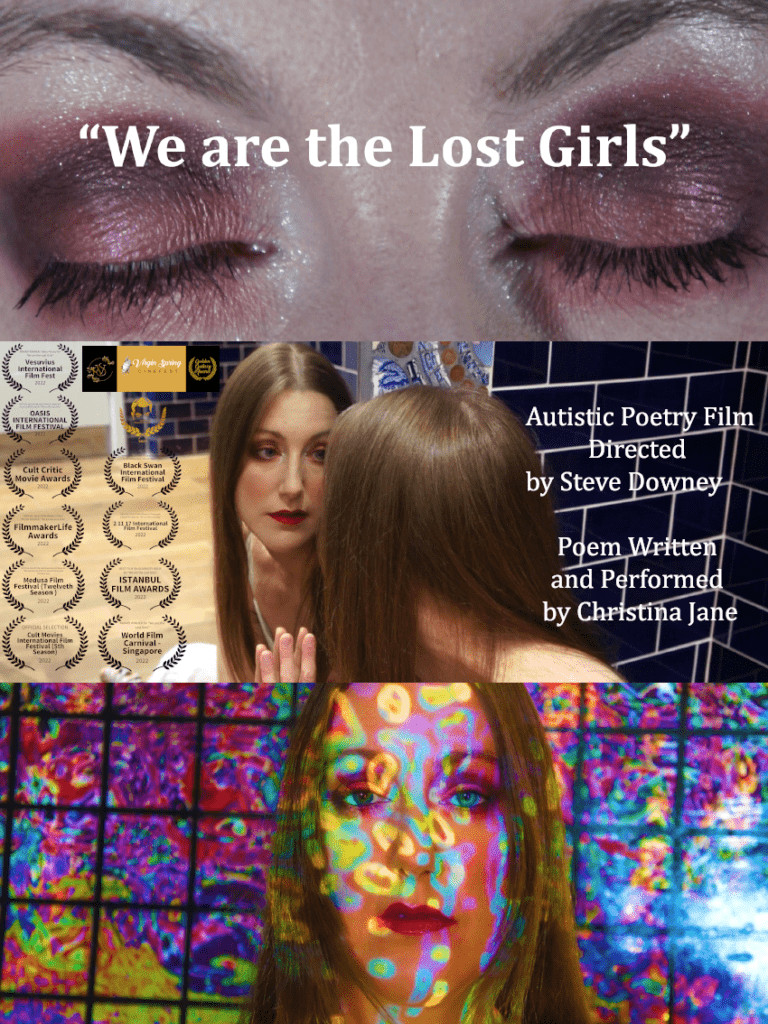
Synopsis: This film by Steve Downey features the poem “We are the Lost Girls”, written and performed by Christina Jane [C. J.]. Both Steve and Christina are Autistic but were not diagnosed until they were adults. This late diagnosis helped to explain the challenges they had both experienced when they were children, growing up and later as adults. Traditionally it was believed that it was primarily boys who were autistic, not girls. As such many autistic women and girls were not diagnosed and therefore had to cope as best they could without proper support. These are the “Lost Girls”. This is the first of a planned series of films about Autism and ADHD to be created by Steve and Christina over the next year.
With The Southend-on-Sea Film Festival will be returning once again from 26th – 29th May, I got an opportunity to ask Director Steve Downey a few questions about the film ‘WE ARE THE LOST GIRLS’ which has been selected to play at the festival on Sunday 29th May at 4pm.
Q. What can we expect from the film?
A. “We are the Lost Girls” is a five-and-a-half-minute film that deals with the issue of Autism in women and girls through a poem augmented with striking visual moving images which create a powerful message. The film has been met with both positive personal responses and great critical acclaim which includes winning awards at thirteen Film Festivals across the world so far.
Q. How did the idea for the film come about?
A. The initiative for this first film began with Christina Jane’s wish to increase understanding, acceptance and awareness for autistic women and girls. She had already performed her poem at different events and venues but realised that live events may not be the most inclusive spaces for autistic people who may have sensory issues. She also wanted to encourage discussion about Autism more widely in new and exciting ways, aiming to make people more aware of the issues of Autism, particularly in women and girls, as well as the wider public. Steve Downey responded to her Facebook post on this issue and the two met to discuss how this could be achieved through creating a series of four video films. Steve had experience in filmmaking as a young man, graduating from the London Film School with a first-class honours and working briefly in the film industry as a film and sound editor. For many years Steve has been working as a successful visual artist and in 2021 decided to take up filmmaking again using video technology. He was successful in getting an Arts Council Grant to support his personal development in moving images, sound and writing. This enabled the purchase of additional video equipment, training and film festival entrance fees, etc.
Q. What were some of the influences for the look and style of the film?
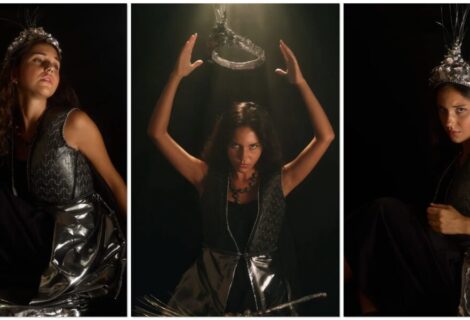
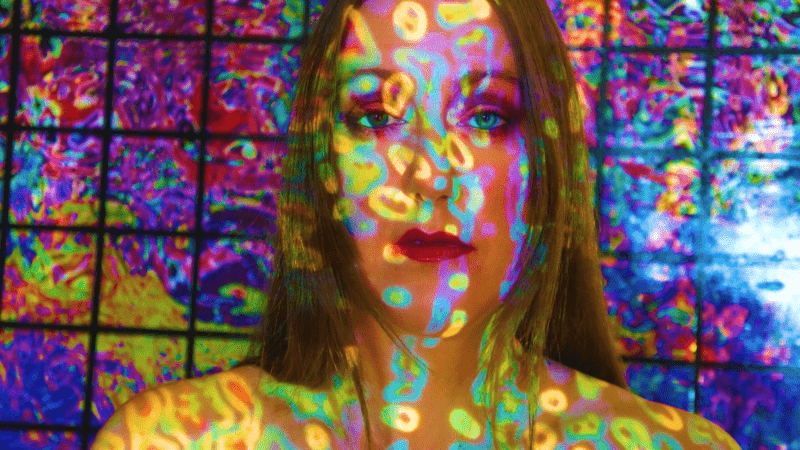
A. Steve and Christina decided that “We are the Lost Girls” should be their first film and discussed how the poem could be augmented through moving images and sound. Steve created a storyboard and this was agreed to be the way forward. The film was shot in Steve’s new studio and in four other locations. Steve’s paintings have been called “an explosion in colour” and his use of vivid colours definitely influenced the look of the film, including using some of his artworks as backdrops and as projections onto Christina’s face. The wardrobe of the film was discussed and decided in advance, focusing on a signature outfit of a long white dress to symbolise youth and purity. The make-up look, done by Christina, was also dramatic with bright colourful elements to match the artwork’s backgrounds. Pale mask-like skin with darker eyes covered in cherry shades and bold red lips complement the Venetian mask which is pictured in the film.
Q. Were there any elements of the original script which were adapted during filming?
A. The text of the original poem was not changed during the filming.
Q. What were some of your favourite moments whilst making the Film?
A. We quickly developed a good working relationship, whereby Steve led the way as the Director and Christina responded very well to being directed, remaining patient and determined through multiple film takes. Christina’s previous background in both modelling and acting helped with responding to being directed. Although Steve had an inner vision for how the film should be, he was also open to suggestions and ideas for experimentation. We both found the experience enjoyable and rewarding, particularly the actual filming in the studio and on location.
Q. Did you experience any issues whilst making the film?
A. We worked together well with clear communication and kept our morale high during niggles like traffic or technical issues. This means the planning and actual filming went very smoothly. The editing was much trickier: finding the correct film images, music and sound effects that would complement and augment the poem’s words.
Q. What do you hope people will take away from the film?
A. We hope that people will find the film visually striking, entertaining, educational and with a powerful message about the nature of Autism, particularly in the case of women and girls, who often go undiagnosed for many years.
Q. Do you have any other projects which you are working on?
A. Yes, we are currently midway through the final edit of another of Christina’s poems called “Invisible”, which deals with ADHD. After this, we plan a further two more poetry-based films.
Q. If someone is looking to direct their first film, what advice would you give them?
A. Be ambitious but keep it simple. Plan carefully in terms of the script, storyboard, actors, crew, choice of locations, music and sound effects. Maybe start with using a mobile phone and experiment with free editing software. Then later invest in better equipment and software, e.g. a mirrorless camera, good microphone, tripod, lights and more advanced editing software like Adobe Premier Pro. Watch lots of good movies [current and classic films of the past] and note carefully how they are made in terms of imagery, lighting, dialogue, sound and editing. Join a local film making group. Invest in film and video training – through formal college courses or organisations like Signals in Colchester. Try out online film courses such as the excellent “14 Day Film Maker Program” by Paul Xavier. Don’t be afraid of making mistakes. Mistakes are good. They help you get better. Get feedback from friends, family, other film makers and through social media. Set up your own YouTube channel and post your best films on it. Apply to Film Festivals through FilmFreeway. We did this for “We are the Lost Girls” and to date have thirteen film festival awards throughout the world!
The Southend-on-Sea Film Festival runs from 26th – 29th
You can find out more about the end and purchase tickets on the website here: https://www.southendfilmfestival.com/

Published in various websites, Philip is a reviewer who is best known for his interviews and media coverage of independent projects including; films, books, theatre and live events. Always on the lookout for something different to cover!