


Reboots and remakes are a staple of Hollywood, where studios often revisit beloved classics or forgotten gems with the hope of introducing them to a new generation or reinvigorating their appeal. While some of these efforts succeed brilliantly, others miss the mark, leading to critical panning and box office disappointment. Here, we take a look at five notable movie reboots and remakes that flopped, exploring why these films failed to capture the magic of the originals.
1. “The Mummy” (2017)

Original: “The Mummy” (1999)
Director: Alex Kurtzman
Box Office: $410 million worldwide (against a budget of $195 million)
The 1999 version of The Mummy, starring Brendan Fraser, was a hit, blending horror, adventure, and humour in a way that charmed audiences. In contrast, Universal Pictures’ 2017 reboot, starring Tom Cruise, aimed to kick off a new “Dark Universe” franchise but fell flat. The movie struggled with an identity crisis, trying to balance its horror roots with action blockbuster expectations. Critics lambasted the film for its muddled plot and lack of charm, resulting in a tepid audience response. The underwhelming performance of The Mummy led to the collapse of Universal’s ambitious cinematic universe plan.
2. “Ghostbusters” (2016)
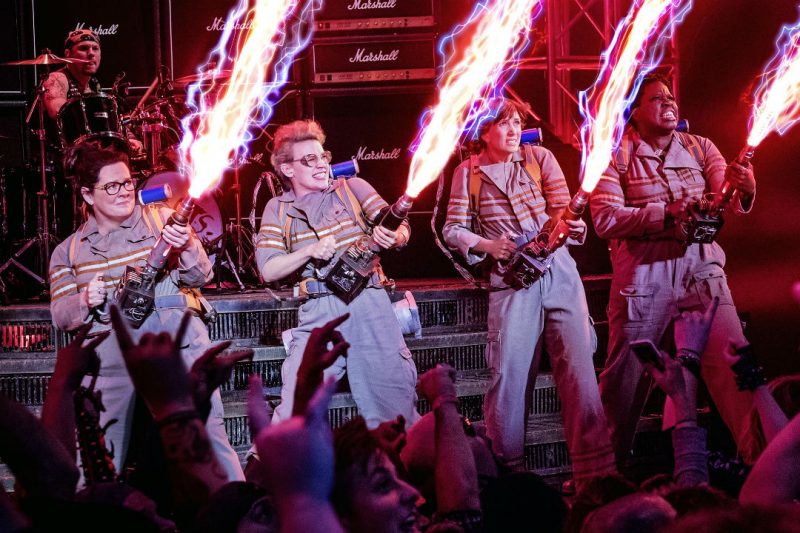
Original: “Ghostbusters” (1984)
Director: Paul Feig
Box Office: $229 million worldwide (against a budget of $144 million)
The original Ghostbusters is a cultural phenomenon, beloved for its clever script, stellar cast, and iconic theme song. The 2016 reboot, which featured an all-female lead cast, was met with controversy even before its release, with some fans criticizing the change as unnecessary. Despite some positive reviews praising the cast’s chemistry and humor, the film failed to resonate with a broad audience. While it wasn’t a complete disaster, the box office returns were disappointing, especially considering the high production and marketing costs. Plans for a sequel were shelved, and the franchise later pivoted back to its original timeline with Ghostbusters: Afterlife (2021).
3. “Ben-Hur” (2016)

Original: “Ben-Hur” (1959)
Directors: Timur Bekmambetov
Box Office: $94 million worldwide (against a budget of $100 million)
The 1959 Ben-Hur is a legendary film, winning 11 Academy Awards and being celebrated for its epic scale and groundbreaking chariot race scene. The 2016 remake, however, was a different story. With a modernized take on the classic tale, the film was heavily criticized for its lackluster CGI, uninspired performances, and unnecessary existence. Audiences were unimpressed, and the film became one of the year’s biggest box office flops. The failure of Ben-Hur highlighted the dangers of remaking revered classics without a clear artistic vision or an understanding of what made the original so successful.
4. “RoboCop” (2014)

Original: “RoboCop” (1987)
Director: José Padilha
Box Office: $242 million worldwide (against a budget of $130 million)
Paul Verhoeven’s RoboCop (1987) is a cult classic, known for its satirical edge, graphic violence, and exploration of corporate and political corruption. The 2014 reboot attempted to update the story for a modern audience but stripped away much of the original’s dark humor and biting social commentary. Instead, it offered a more sanitized and conventional action film that failed to stand out in a crowded market. Despite a strong cast, including Joel Kinnaman, Gary Oldman, and Michael Keaton, the film didn’t resonate with audiences or critics, leading to disappointing box office returns and no continuation of the intended franchise.
5. “Total Recall” (2012)
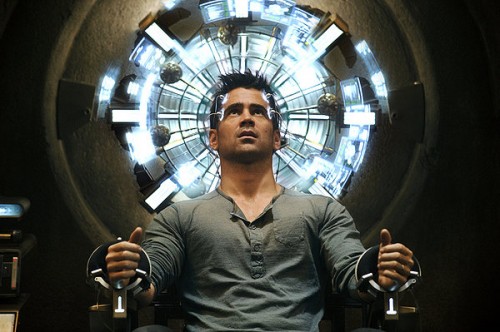
Original: “Total Recall” (1990)
Director: Len Wiseman
Box Office: $198 million worldwide (against a budget of $125 million)
Another Paul Verhoeven classic, Total Recall (1990) was a sci-fi action hit starring Arnold Schwarzenegger, remembered for its mind-bending plot and practical effects. The 2012 remake, starring Colin Farrell, promised a slicker, more modern take on the story, but in doing so, it lost much of the original’s quirky charm and visceral impact. Critics and audiences found the film visually impressive but lacking in substance and fun. The remake’s failure to recapture the original’s essence resulted in a lukewarm reception at the box office, with the film barely breaking even.
Why These Remakes Flopped
Several factors contribute to the failure of these reboots and remakes:
- Nostalgia vs. Modernization: These films often struggle to balance the original’s nostalgic appeal with modern filmmaking trends. If they stray too far from what made the original beloved, they alienate long-time fans; if they don’t innovate enough, they fail to attract new audiences.
- High Expectations: Remaking a classic puts immense pressure on filmmakers. Audiences and critics often hold these films to higher standards, leading to harsh comparisons that can overshadow any merits the remake might have.
- Marketing Missteps: Poor marketing strategies and pre-release controversies, as seen with Ghostbusters (2016), can severely damage a film’s prospects before it even hits cinemas.
- Identity Crisis: Some reboots, like The Mummy (2017), suffer from an unclear vision, trying to please too many demographics at once, resulting in a muddled final product.
Conclusion
Reboots and remakes are a risky venture, and these five films serve as cautionary tales for studios. Success in remaking a classic requires more than just updated effects and star power; it demands a deep understanding of the original’s strengths and a clear, compelling reason to revisit the story. Without these elements, even the most promising reboots can quickly turn into box office flops.

Karen Woodham is the founder and owner of the Blazing Minds. She is also a Cinema reviewer and works with RealD 3D reviewing the latest 3D releases and IMAX, she has also had several articles published in various publications including the first edition of SFW Magazine. In 2015 she became an Award Winning Blogger and also has her website listed as one of the UK’s Top 10 Film Blogs.