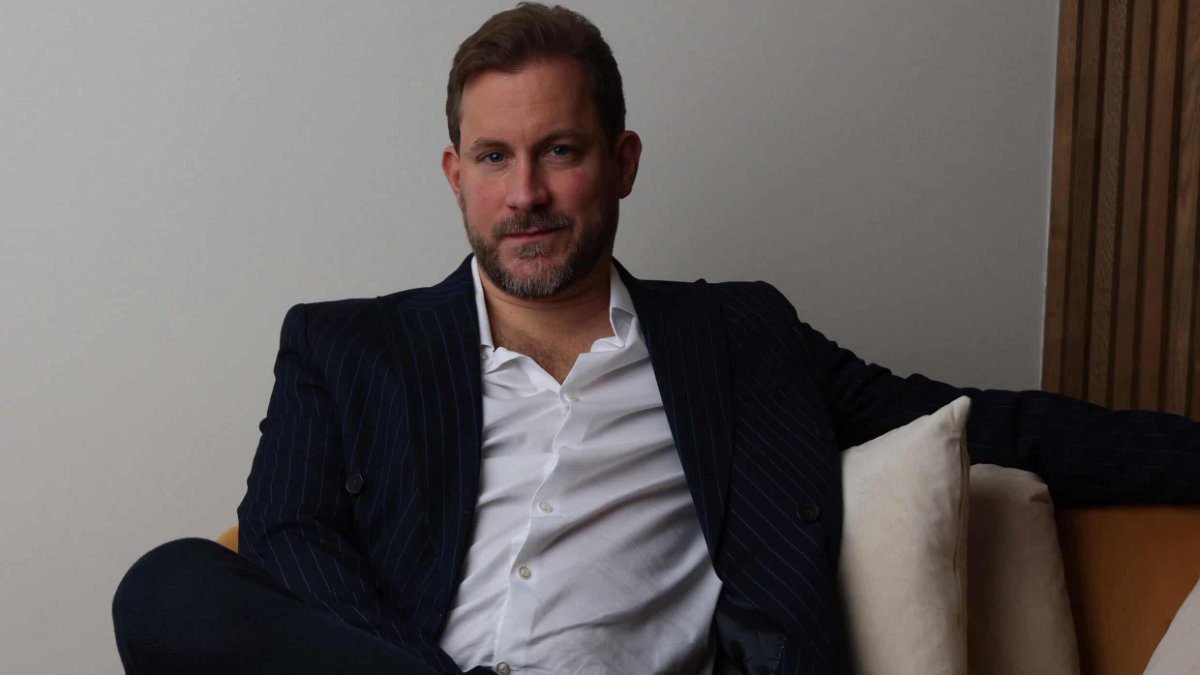


With the release of the new horror thriller Jitters, we bring you a chat we had with Director Marc Zammit about the new film and more in this Blazing Minds exclusive interview.
What is your process for directing a film, and what appealed to you about Jitters?
When I start thinking about making a film, I always look at what’s happening in the market. I pay attention to trends and try to anticipate the kinds of films audiences will be interested in two years from now, because that’s roughly the timeline between development and release.
My aim is to create something that feels current by the time it reaches audiences. I remember being at an exhibition when early versions of ChatGPT were being introduced, long before it became mainstream. At that time, hardly anyone was using it, and it wasn’t even available as an app yet. But I was fascinated by it and immediately sensed that it would become huge. From my marketing experience, I could see that once people discovered it, it would spread rapidly and become something people used daily – almost like the next version of Google.
That idea sparked the concept for an AI horror thriller. I started imagining something with the psychological intensity of Saw, where victims are challenged through a kind of game. At the time, I wasn’t sure what the AI would look like visually, but I noticed that clowns were becoming a major horror trend again. That combination felt perfect.
Once I understand the branding, the market, and the type of film I’m making, that’s when the creative process really begins. I like to know the direction and business model first so the creative decisions support the strategy, rather than trying to solve marketing challenges later.
What are your favourite movies and why?
In terms of films that inspired the tone and concept behind Jitters, Se7en is a huge influence. It creates an incredible sense of tension and atmosphere.
When I think about my all-time favourites, I would say One Flew Over the Cuckoo’s Nest. The storytelling in that film is just so raw and powerful.
Another film that really impresses me is Cast Away starring Tom Hanks. The fact that one actor can keep an audience engaged for an entire feature film with such minimal dialogue is incredible.
How do you work with actors to create the best performances in Jitters?
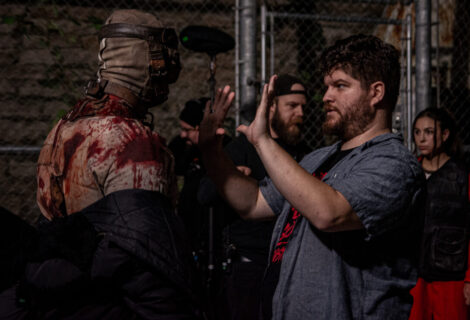
For me, working with actors is about honesty and trust. I will sometimes pull an actor aside and tell them directly that I believe they can push the performance further. That kind of honesty only works when there’s mutual respect.
I also give actors room to explore their characters. I’m discovering the character alongside them during the filmmaking process, so it becomes a creative collaboration. Every actor works differently, so understanding what each person needs is important.
Because I started out as an actor myself – and still act occasionally – I understand the vulnerability and creativity that goes into performing. That shared experience helps build trust between us.
What is your vision for Jitters?
The vision for Jitters was to create a sense of sustained tension rather than relying purely on jump scares. The audience understands what’s at stake and feels the pressure of a ticking clock.
I also wanted to explore something that feels almost paranormal, but without it being supernatural. It’s the unsettling feeling that something is present, watching or listening, even if you can’t see it.
Many people already feel this way about technology. We often joke about our phones listening to us or devices like Alexa picking up conversations. Jitters plays with that paranoia. It creates a similar tension to a paranormal film like Paranormal Activity, but instead of a ghost, the threat is artificial intelligence.
In some ways, that makes it even scarier, because it feels more plausible.
What techniques do you use to ensure a film is cohesive and flows well?
For me, cohesion comes from maintaining the tone and suspense throughout the story. If the audience clearly understands the stakes, they stay engaged.
Instead of constantly surprising the audience, I focus on building tension. When viewers know something is coming and can feel the pressure building, it becomes much more powerful.
That sense of tension is what keeps the film flowing and keeps the audience emotionally invested.
What shots and camera angles do you prefer for particular scenes, and why?
One of my favourite visual environments in the film was “The Void.” It felt like a playground creatively because it allowed us to push the visual language and create an atmosphere where anything could happen.
I also loved the city skyline shots. There’s something about them that helps establish the world and tone of the film.
Another moment I’m particularly proud of is the torch-lit crack house scene. The Director of Photography and I talked about giving it a gritty, dark aesthetic – something with a Gotham-like atmosphere mixed with the mood of Se7en. With the resources we had available, I think we achieved that tone really well.
Have you ever had to take over directing duties mid-way through filming a project?
In my experience, directing is something that never really stops once the project begins. From the moment you step onto set, you’re constantly guiding the process.
Being a good director isn’t just about getting impressive shots or casting talented actors. It’s about bringing together a group of skilled people both in front of and behind the camera.
Once everyone is working together, the director’s role becomes almost like an orchestra conductor—coordinating everyone’s skills and keeping the entire production moving in harmony.
How do you tackle projects with tight timelines or challenging locations?
Filmmaking is essentially problem-solving. Every day on set, there will be a problem – you just don’t know what it will be until it happens.
The key is staying calm and approaching each situation with patience. If something goes wrong, pointing fingers or reacting emotionally won’t solve it.
Sometimes you’ll be ahead of schedule, sometimes you’ll fall behind. That’s just part of filmmaking. The important thing is to stay focused on the logistics and find solutions so the project keeps moving forward.
How has technology changed filmmaking in recent years?
Today, content is in constant demand. Audiences have endless options, and attention spans have become much shorter.
Because of that, filmmakers have to think carefully about how to capture attention quickly and keep viewers engaged. In many ways, watching habits have changed dramatically compared to the past.
In the 1980s or 1990s, when you chose a VHS or DVD, you usually committed to watching the entire film. Today, viewers can move on to something else within seconds if they lose interest. That means filmmakers have to adapt their storytelling and pacing to match the modern audience.
What tips would you give aspiring filmmakers?
Pick up a camera and start shooting anything you can.
Opportunities rarely come to you – you have to create them yourself. The more you make, the more you learn.
And remember, the only real failure is giving up. If you keep creating and pushing forward, you’re always moving closer to your goal.
Big thanks to Marc for chatting with us. Jitters is now available to watch on Prime Video.

Karen Woodham is the founder and owner of the Blazing Minds. She is also a Cinema reviewer and works with RealD 3D reviewing the latest 3D releases and IMAX, she has also had several articles published in various publications including the first edition of SFW Magazine. In 2015 she became an Award Winning Blogger and also has her website listed as one of the UK’s Top 10 Film Blogs.