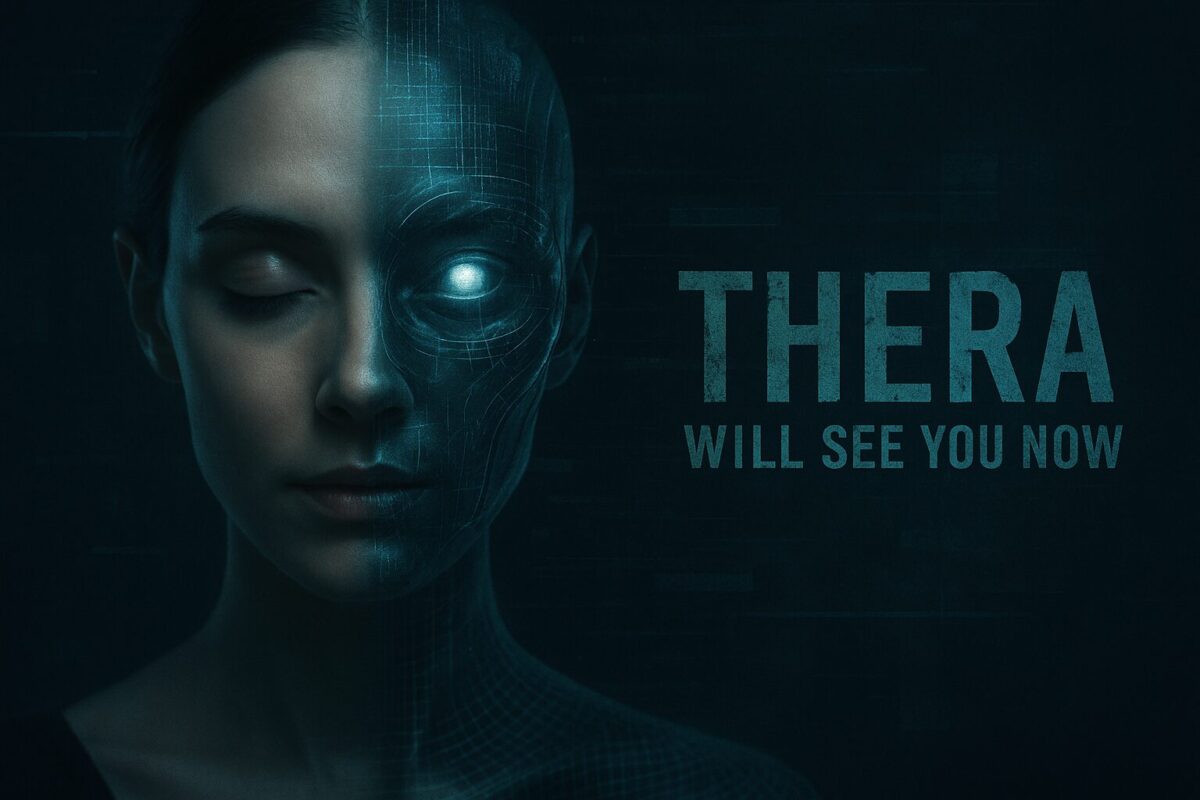
Film Name: Thera Will See You Now
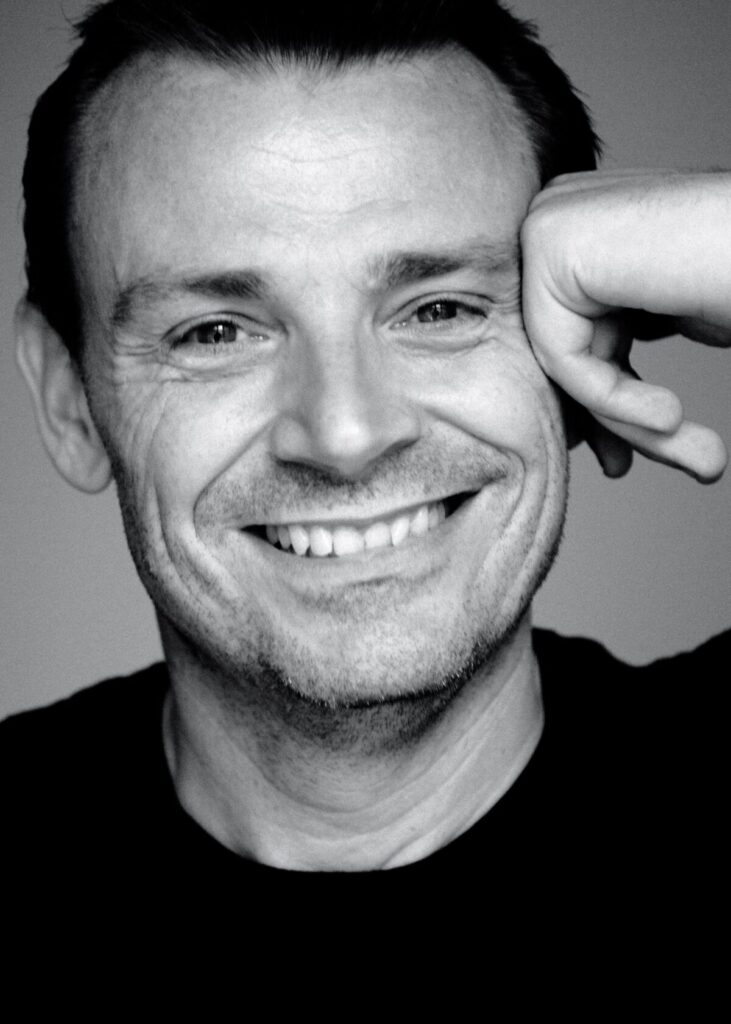
Director: Kim Sønderholm
Writer: Kim Sønderholm
Starring: Kim Sønderholm, Mie Gren, Sara Amlund
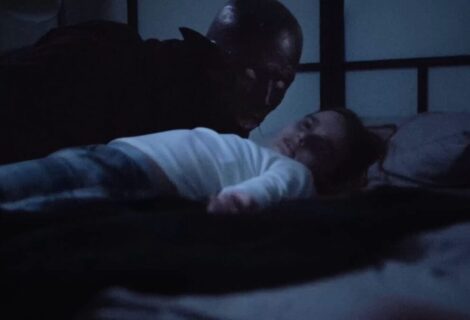
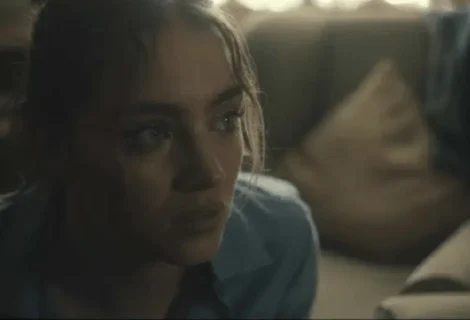
COVID-19 forces global lockdown. Isolation becomes a mandate. Suicide rates reach unprecedented levels. Loneliness becomes endemic. In desperation, governments implement a controversial pilot: AI-led emotional support networks.
In a new exclusive interview on Blazing Minds, I got a chance to ask Writer-Director Kim Sønderholm a few questions about his film ‘Thera Will See You Now‘, which has been selected to play at Horror-on-Sea on Friday, 16th January at 15:00hrs.
Q. Your film Thera Will See You Now has been selected to play at the Horror-on-Sea Film Festival. Can you tell us what we can expect?
A. Expect a film that’s quite different from what you usually see — especially at festivals. It’s a slow burn, so you’ll need a bit of patience. The setting in itself is unusual. There’s a touch of sci-fi, a bit of psychological horror, but first and foremost it’s satire. Bleak, yes, but still satire at it’s core.
Q. What were your inspirations when writing the script?
A. It actually came to me in a nightmare. I didn’t plan to write about this at all to begin with, but it stuck with me longer than it should have. It made me think about how easily we let things slip — control, sanity, trust. It’s funny how stories often start as something personal before they turn into something about everyone else.
I’ve always been fascinated by character-driven stories where people simply fall apart. I’m a huge fan of Taxi Driver (1976) and The King of Comedy (1982) by Martin Scorsese — that kind of slow psychological decay really speaks to me. That was also the whole ground idea behind the feature Craig that I directed back in the mid ‘00s, which has recently been re-released.
I’ve also always been a bit scared — and therefore fascinated — by the manipulation going on behind cults, and how people in healthcare can, at least in theory, influence those in distress. To be clear, this is purely a thought experiment — there are, of course, so many amazing professionals who genuinely want to help people. But imagining what could happen if someone went rogue is quite terrifying to me.
And then finally, there’s the question of AI. Is it dangerous, or is it here to help? I recently read about a growing number of young people turning to ChatGPT for therapy — and honestly, I find that a pretty scary development.
We live in a strange time. People talk to machines more than to each other, and somehow that feels completely normal now. We live in a virtual world where it’s easy to hand over our thinking to algorithms. I think that’s why the story works — it doesn’t take place in some far future. It’s now. It’s today. We’re already halfway there.
Q. What were some of your influences for the look and style of the film?
A. The whole idea was to create it as an online group therapy session hosted by an AI named Thera
— short for Therabot.
At first, I imagined people sitting in a circle with an actual AI robot present, sharing their feelings, but then it occurred to me that making it a purely online session would make it even scarier — and colder, if that makes sense? To emphasize the systems indifference of it all and simply setting it up to appear to care.
Q. Did you make any changes from the original script during filming?
A. Yes, the original script was somewhat longer. It’s one of those cases where it feels tight and relevant on paper, but once you get into the edit, you realise the pace needs to pick up a bit.
We actually shot a session 7 that’s missing from the final cut — deliberately so, as I preferred the ambiguity of it simply being gone, unexplained. I also trimmed down a couple of scenes and removed a few lines that didn’t really go anywhere.
Even so, it’s still a slow burn despite its short runtime. To me, the ending feels gratifying, and I hope audiences agree.
Q. In addition to writing and directing, you also play Jacob in the film. Did you write the script with yourself in mind to play the role of Jacob?
A. I wrote the character of Jacob for myself, and from the start I already had the actresses in mind — even before knowing if they’d say yes. Luckily, they did.
Being an actor for over 25 years, that’s always been my main passion.
Q. How did you find the process of balancing the roles of both director and actor in the film?
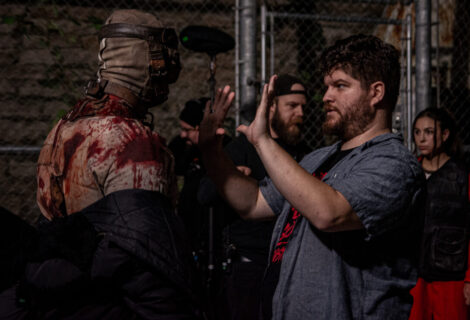
A. It’s pretty difficult, honestly. You need to be in several places at once — at least mentally — to direct and act simultaneously. I once said I’d never direct again, but I guess it turned out to be one of those “never say never” situations.
I’ve got other projects in production as a writer, but I won’t be directing those. I want to focus purely
on the acting — that’s always been, and will always be, the most important thing to me.
Q. What were some of your favourite moments during filming?
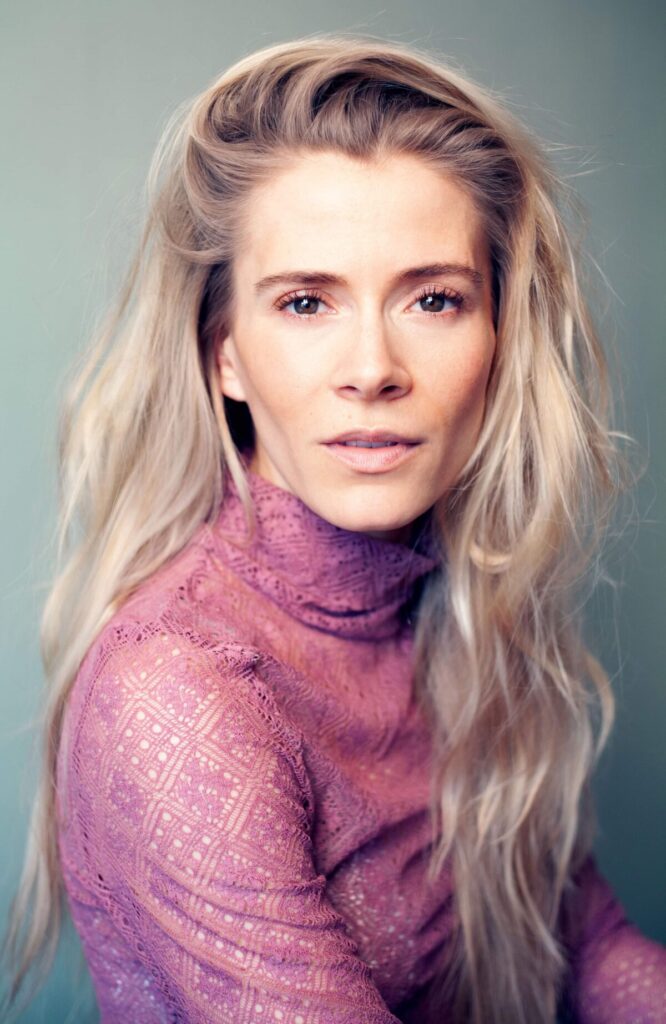
A. Well, I do have to thank my amazing actresses in the film, Mie Gren and Sara Amlund, both very amazing, sweet and extremely talented but also very very helpful in the process, not to mention incredibly supportive, so that has been a very, very positive experience for me. They really helped elevate the film. They have my warmest recommendations any day of the week.
Q. Did you experience any issues during filming?
A. Apart from the computer we were editing on literally exploding mid-process (I’m not exaggerating — it actually did!), everything went surprisingly smoothly. People often ask whether we shot it as a real online session or recorded everyone separately. The fact that people even ask makes me very happy — and I’ll leave it at that, being a bit mysterious. But I guess the answer to that is kind of implied anyway.
Q. What makes Thera Will See You Now stand out as something different in the horror genre?
A. It’s a scary world we live in — sometimes reality exceeds fiction. Especially after becoming a father a few years ago, I’ve started noticing and reflecting on that more.
I wanted to make something that feels current — something that truly belongs to 2025. The horror in Thera Will See You Now doesn’t come from slashing or gore, but from reality itself — distorted, warped, manipulative and psychological.
Personally, I’d also call it sci-fi and even drama. I chose the word “satire” very deliberately — not “comedy” — because to me there’s a big difference, and this film really shows that distinction.
People sometimes assume this kind of story is about technology or evil robots. Don’t get me wrong, I’m a huge fan of the Terminator franchise, but this is not that. It’s about people — and how easily we hand over control when we’re scared or lonely. The tech is just the stage. The real horror is how human it all is.
I don’t think art has to explain everything. I’m a sucker for open endings if it fits the narrative. Sometimes it’s enough to just hold up a mirror and let people decide what they see. That’s what I try to do. I’m not interested in giving definite or elaborate answers — just in asking questions that hopefully stay with the audience for a while.
Q. What do you hope people take away after watching the film?
A. I’m an old geezer, so bear with me — but do you remember that old ’90s song “Things That Make You Go Hmmm”? That’s exactly what I want people to do — go “hmmm.” If people walk away from the film with a few questions or even just a weird feeling they can’t shake, I’ll take that as a win. I’m not trying to tell anyone what to think — just to maybe make them look twice at what we’re all becoming a little too comfortable with.
There are also plenty of quirky little details — “blink and you’ll miss it” moments — and I truly hope people pick up on those beyond the general message.
Q. Do you have any other projects which you are currently working on?
A. I have two feature films I’ve been writing for the past few years, both now in different stages of production. One is quite far along, the other just starting out. I’m really looking forward to acting in both.
Even though I came up with the ideas and wrote the initial drafts, once production begins I’ll take my seat as an actor only and trust the directors to make their choices.
I’ve also got a few short film ideas up my sleeve — maybe they’ll happen, maybe not. Who knows, maybe we’ll see one of them at Horror-on-Sea in the future?
Q. If someone was looking to write and direct their own film what advice would you give them?
A. I don’t know if I’m really the right person to give advice, but here goes — and yes, all the clichés apply.
Have a strong idea and believe in it. Nothing else matters if your script doesn’t work and grab peoples attention. And don’t just talk about doing your projects — do them. Hoping is nice, but action is what counts. Excuses don’t.
o one wants to end up as that bitter old man on the porch, shouting at passers-by like Grandpa
Simpson, about how you could’ve been a contender — but weren’t, because of “reasons.” That would literally kill me.
Try and dare fail, but at least you tried.
Oh dear… what a fat, fat cliché to end on, huh? Ha ha.
Thera Will See You Now will be playing at Horror-on-Sea on Friday 16th January at 15:00hrs.
You can find out more about Writer-Director Kim Sønderholm on the following
IMDB – Showreel – Spotlight – Facebook – Instagram
You can find out more about Horror-on-Sea and purchase tickets to see Thera Will See You Now here

Published in various websites, Philip is a reviewer who is best known for his interviews and media coverage of independent projects including; films, books, theatre and live events. Always on the lookout for something different to cover!