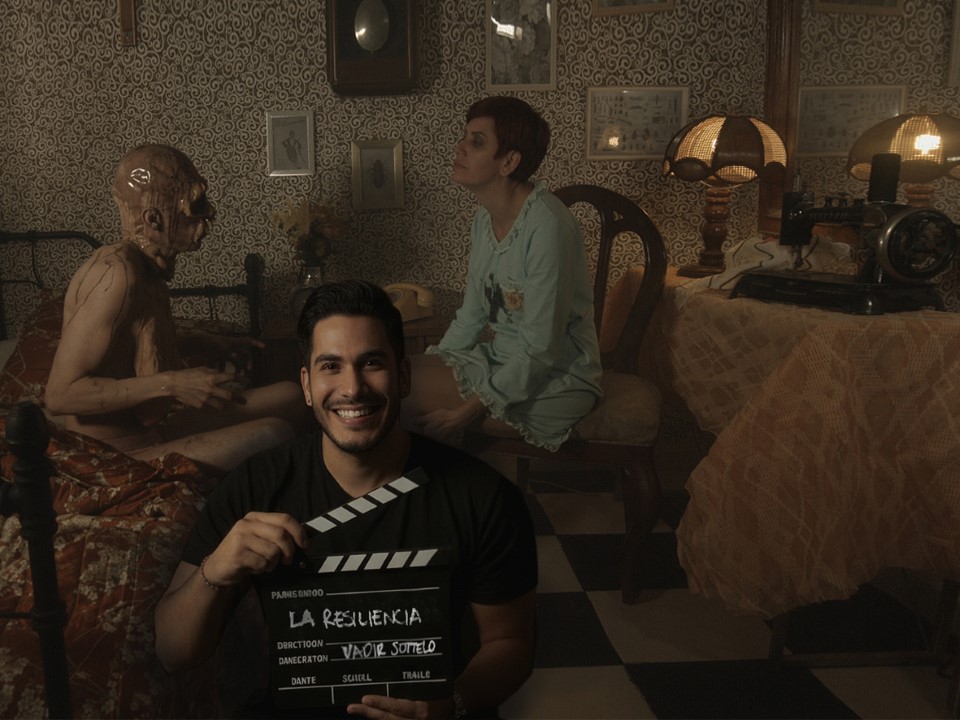
Film Name: The Resilience
Director: Vadir Sottelo
Writers: Vadir Sottelo, Lizbeth de la Torre
Starring: Fricia Kelley, Daniel Alejandro
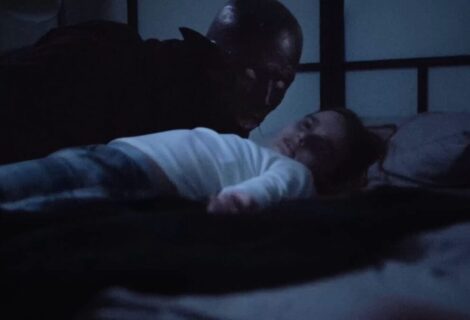
A young seamstress experiences a physical nightmare when a cockroach invades her ear, triggering a physical and mental metamorphosis. Between horror and transformation, her survival instinct is pushed to the limit.
In a new exclusive interview on Blazing Minds, I got a chance to ask Director / Co-Writer Vadir Sottelo a few questions about his film ‘The Resilience‘, which will have its UK Premiere at Horror-on-Sea on Saturday 17th January at 15:00hrs.
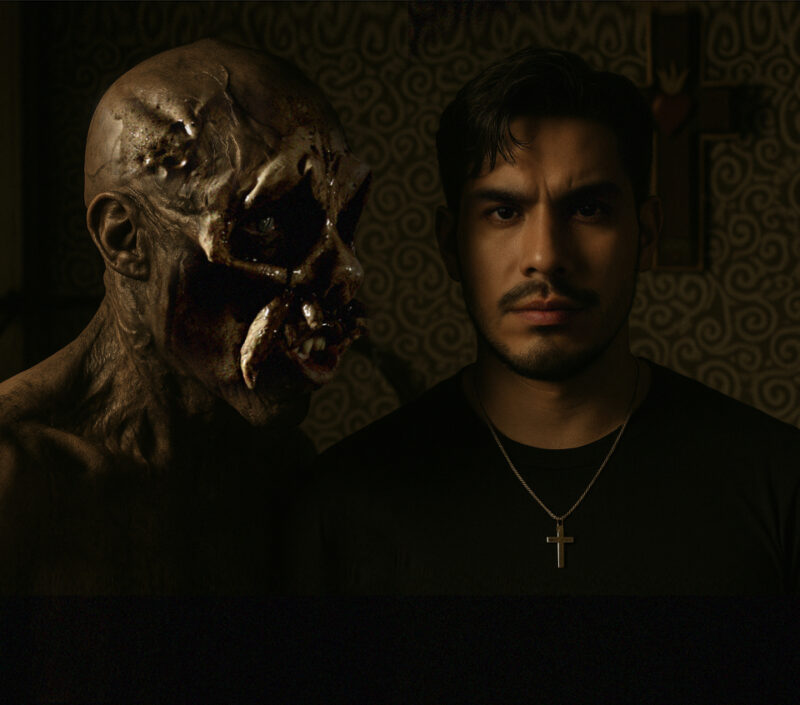
Q. Your film The Resilience has been selected to play at the Horror-on-Sea Film Festival. Can you tell us what we can expect?
A. You can expect a psychological and visceral journey through transformation, fear, and liberation. The Resilience is a story about the human body as both a prison and a vessel for rebirth. It blends elements of body horror, social repression, and inner metamorphosis, set in 1950’s Mexico; a time when silence was survival and identity was often hidden behind closed doors.
The film explores how trauma can shape us, and how pain can become power. It’s not just a horror story; it’s an allegory about breaking free from imposed roles, about reclaiming one’s body and voice in a world that tries to silence both.
Viewers can expect an experience that’s intimate, unsettling, and deeply emotional, where horror becomes a language of resistance and feminism.
Q. You co-wrote the script with Lizbeth de la Torre. What were some of your inspirations when writing the script and what was your process for writing together?
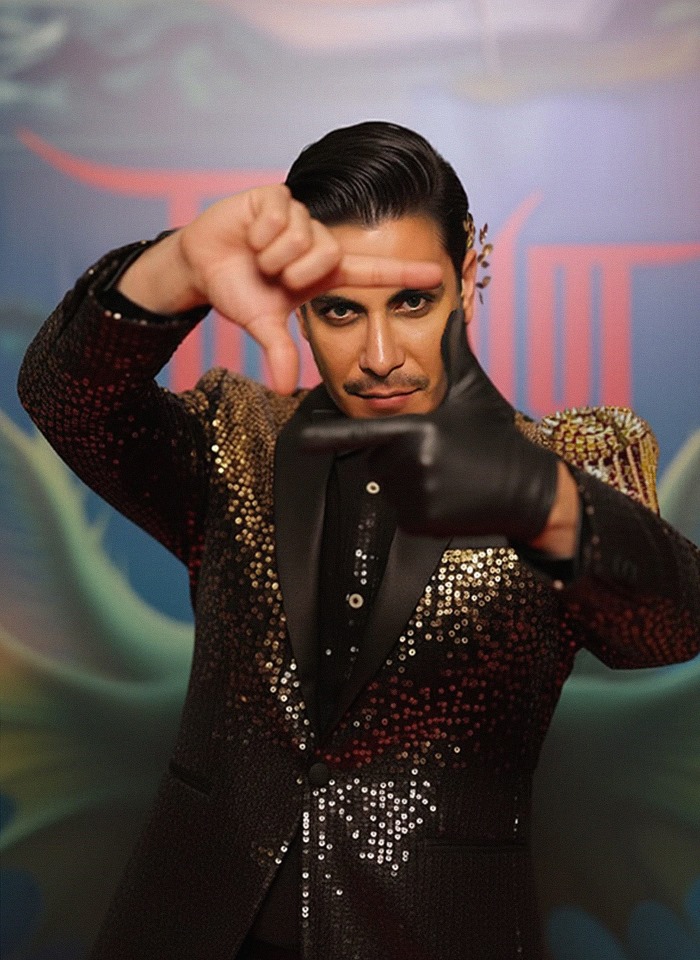
A. For me, Vadir Sottelo, writing The Resilience with Lizbeth de la Torre was an intimate and fearless process. From the beginning, we knew we wanted to tell a story about the body as both a battlefield and a sanctuary, especially from a female perspective. The film was born out of conversations about how women have historically been forced to reinvent themselves to survive: to mutate, to resist, and to rise again.
Our inspirations came from different worlds but shared the same emotional core: Kafka’s Metamorphosis (1915) for its vision of transformation and alienation, Hitchcock’s Vertigo (1958) for its psychological descent into obsession and identity, and Rosemary’s Baby (1968) for its portrayal of bodily horror and societal control. Yet we wanted to reinterpret these influences through a feminist and contemporary lens, rooted in the cultural and emotional landscape of Mexico.
The writing process was organic, more like sculpting emotion than building a traditional screenplay. We stripped away dialogue, focusing instead on symbolism, silence, and gesture. Every image was designed to communicate what words could not: fear, rebirth, defiance.
Ultimately, The Resilience became an act of resistance; a story about reclaiming power in the face of oppression, and about transforming pain into creation.
Q. Did you have any of the cast in mind for the characters when writing the script?
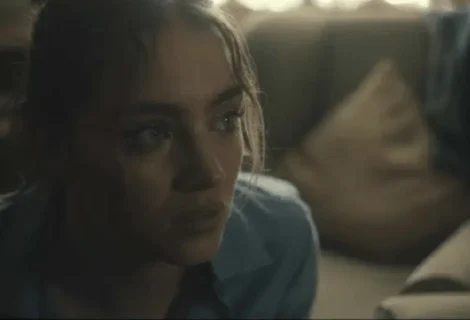
A. We held a full casting process, and the selection of the actors was very intentional. For the role of Dolores, we chose Fricia Kelley, an influencer and performer whose emotional range and expressiveness were extraordinary. What truly convinced us was her ability to convey complex feelings without relying on dialogue, something essential for The Resilience, where silence speaks louder than words.
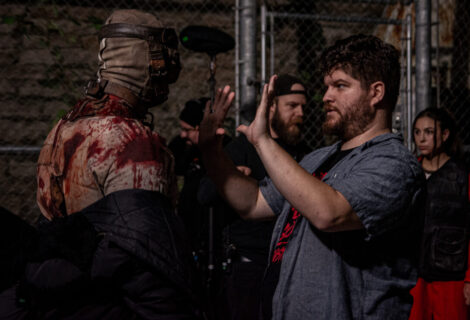
For the creature, we cast Daniel Alejandro, whose physical presence perfectly embodied the metamorphic horror at the heart of the story. He had previously worked with my team in other projects, and we knew he could handle the extreme conditions of prosthetic makeup. In this case, the transformation required seven consecutive hours of makeup application, and Daniel endured it with incredible professionalism and patience.
Both of them brought more than just performance, they brought endurance, emotional depth, and a kind of fearless commitment that the film demanded.
Q. What were some of your influences for the look and style of the film?
A. The visual language of The Resilience was born from a fascination with both beauty and decay, that fragile border where horror becomes poetic. We drew strong inspiration from Eraserhead (1977) – David Lynch, Les Yeux Sans Visage /Eyes Without a Face (1960) – Georges Franju, and The Fly (1958) – Kurt Neumann. These films taught us how the grotesque can be deeply emotional, even tender.
We wanted every frame to feel like a dissolving memory: textured, grainy, almost dreamlike, echoing the internal transformation of Dolores. Her world isn’t just physically deteriorating; it’s also a reflection of societal oppression, of a body and a soul resisting their imposed roles.
So the look of the film isn’t only about horror aesthetics, it’s about reclaiming the monstrous as a symbol of survival and identity.
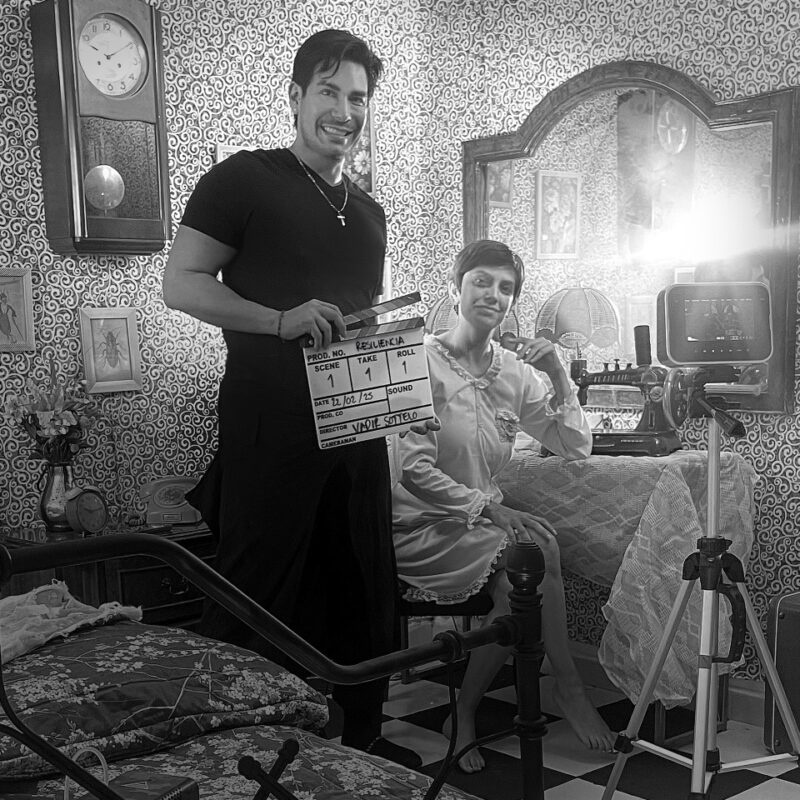
Q. Did you make any changes from the original script during filming?
A. Yes, we did make changes, as every film demands its own evolution once it starts breathing on set. The Resilience was no exception. Some scenes transformed naturally as emotions deepened or new visual ideas emerged.
We also refined certain moments that touched on sensitive or uncomfortable topics: like gender, repression, and violence; always making sure that those changes didn’t dilute the core message. The goal was never to soften the truth, but to express it with precision and respect.
Every adjustment served the same purpose: to remain faithful to the spirit of the story: a story about pain, transformation, and the silent resilience that comes from confronting what society prefers to hide.
Q. What were some of your favourite moments during filming?
A. For me, the filming process itself is the most rewarding part. We created a set that didn’t exist before, everything was built entirely from scratch, and that allowed us to travel to another time and atmosphere. From the art direction and the handcrafted props to the detailed character makeup, every element contributed to constructing this alternate world.
Being inside that universe, surrounded by textures, shadows, and the eerie beauty of our own creation, made the entire shoot feel almost surreal. As both director and producer of horror cinema, seeing what we had written come to life visually was the most fulfilling experience. It wasn’t just about filming a story; it was about living inside it.
Q. Did you experience any issues during filming?
A. We definitely faced some challenges during filming; mainly time and budget constraints. In Mexico, horror and alternative genre productions are not usually supported by traditional funding systems, which makes independent filmmaking both difficult and deeply rewarding.
In my case, through Novatrice Studios, I’ve produced all my films independently. The Resilience was no exception. Despite the limitations, we managed to bring our vision to life with passion, teamwork, and creativity. What makes me proud is that we’ve done it without any Mexican institutional film support, just pure conviction and love for cinema.
Q. What makes The Resilience stand out as something different in the horror genre?
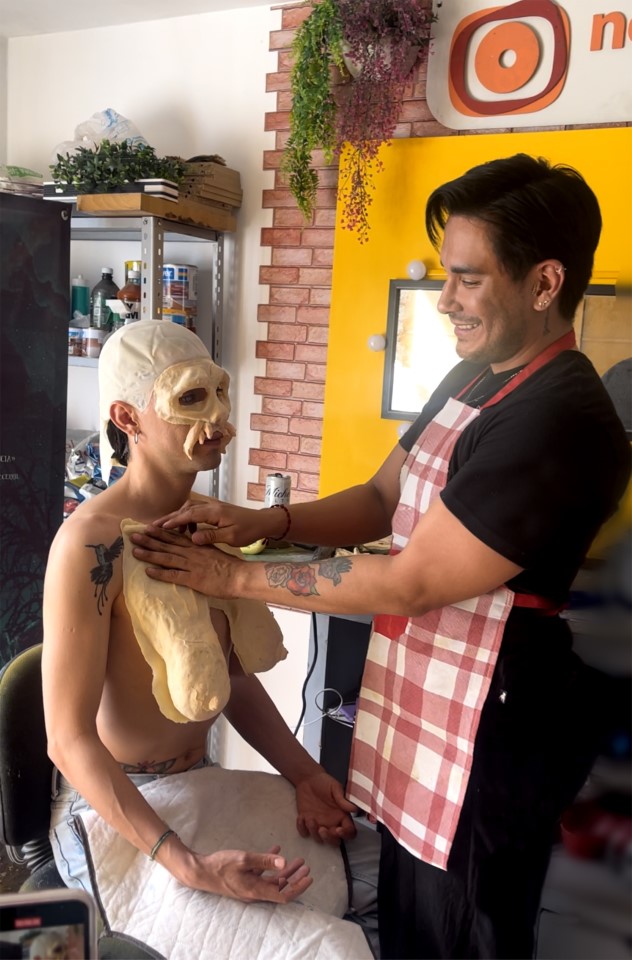
A. The Resilience stands out because it dares to blend horror with human vulnerability, turning fear into a language of resistance. While many horror films rely on external monsters, ours explores the one that lives inside: born from repression, silence, and social expectations.
The story of Dolores is not only a personal nightmare; it’s also a mirror of how women have been forced to hide their pain and transform it into survival. The film redefines body horror as a feminist and social allegory, where the metamorphosis is both: terrifying and liberating.
Visually and structurally, it’s unconventional: no dialogue, a non-linear rhythm, and an almost ritualistic use of sound and image. It’s not just horror for shock, it’s horror as revelation.
Q. What do you hope people take away after watching the film?
A. I hope audiences walk away from The Resilience with a sense of discomfort that turns into reflection. The film is not meant to offer answers, but to awaken something, a recognition of how much pain, silence, and transformation can exist inside one body.
I want viewers to see that horror can also be empathy, that beneath the grotesque and the surreal, there’s a human being trying to resist, to find herself. Dolores’ metamorphosis is a metaphor for many who have been forced to hide, repress, or reshape themselves to survive within oppressive systems.
If after watching the film someone feels both unsettled and emotionally moved, then The Resilience has done its job; because horror, when it speaks truth, is not just frightening… it’s profoundly human.
Q. Do you have any other projects which you are currently working on?
A. Yes, we’re currently developing our feature film Cuerpos Habitados / Inhabited Bodies, a full-length body horror anthology. It expands on the universe of The Resilience, turning it into a complete body horror experience.
The film is set inside a gothic apartment building from the 1950’s, where each tenant faces their deepest fear through grotesque mutations and physical nightmares: a weaver haunted by a crawling creature, a nurse whose ligaments become exposed, an old woman invaded by eyes and threads, a child multiplying into voices and shadows and more.
Each story contributes to a greater secret within the building: something that lives inside it needs all their bodies to become whole.
The film delves into the fear of physical transformation, the fragility of identity, and the violence hidden in everyday life. It mirrors modern anxieties: loneliness, aging, intimacy, and alienation; while embracing the eerie elegance of classic gothic cinema.
And while we work on this new nightmare, I’d also like to invite everyone to watch my other feature film, The Carnival of Horrors / La Feria de los Horrores, now available for free on Roku Channel, a dark, surreal journey into Mexican folklore and terror.
Q. If someone was looking to write and direct their own film what advice would you give them?
A. I would tell them to stop waiting for permission. Start with what you have; your story, your rage, your tenderness, and build from there. Cinema is not about resources; it’s about urgency. If you have something burning inside you, that’s already your raw material.
Write with honesty, not for approval. Direct with instinct, not imitation. Embrace imperfection, because that’s where truth lives. And most importantly, find your voice by confronting your fears. Every frame should cost you something emotionally.
The Resilience was born from pain and courage, not from comfort. So my advice is simple: be brave enough to tell the story only you can tell and let it transform you in the process. Because what doesn’t kill… mutates.
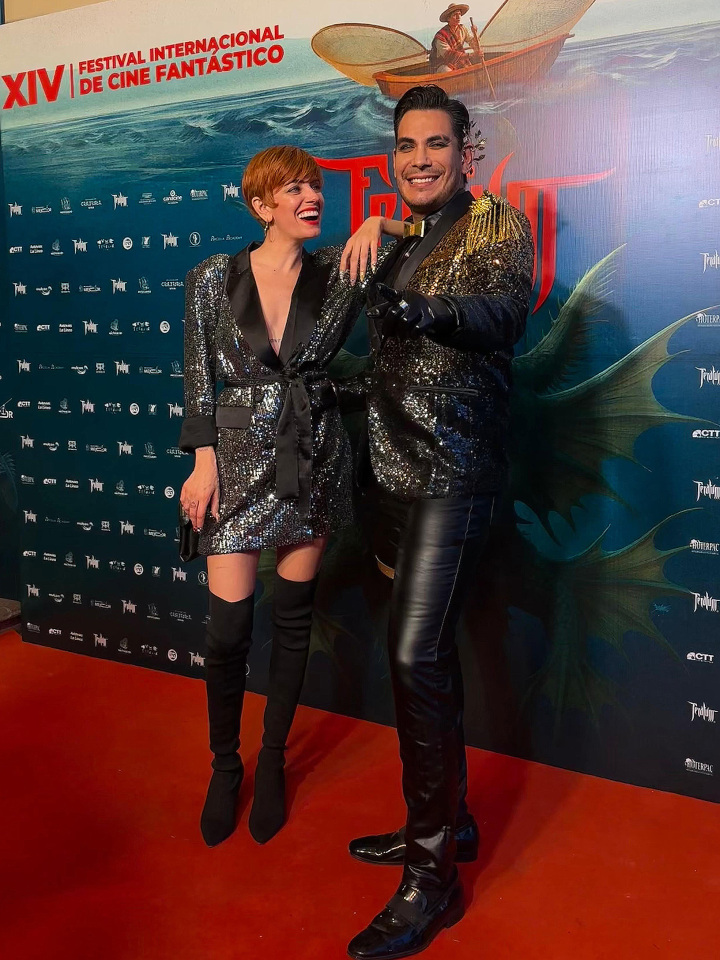
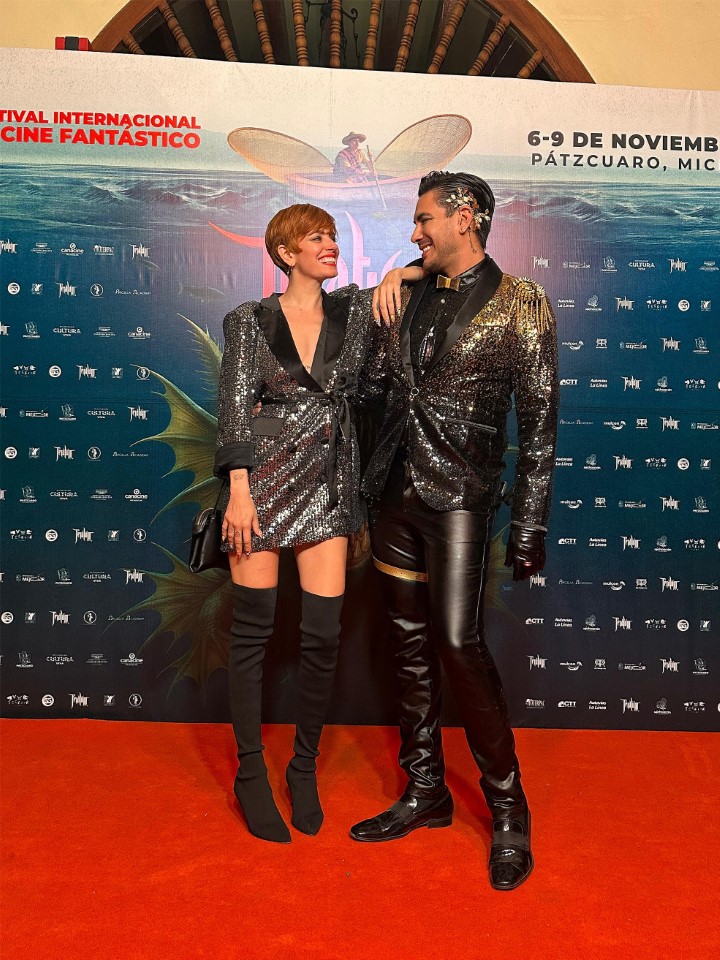
The Resilience will have its UK Premiere at Horror-on-Sea on Saturday, 17th January at 3:00 pm.
You can find out more about Horror-on-Sea and purchase tickets for The Resilience here

Published in various websites, Philip is a reviewer who is best known for his interviews and media coverage of independent projects including; films, books, theatre and live events. Always on the lookout for something different to cover!