The Numismatist (2018)
Director: Andrew Loveridge
Writer: Ben Latcham
Stars: Jim Byrne, Charlotte Dunnico, Neil Richardson, Victoria Hinds, Joe O’Neill
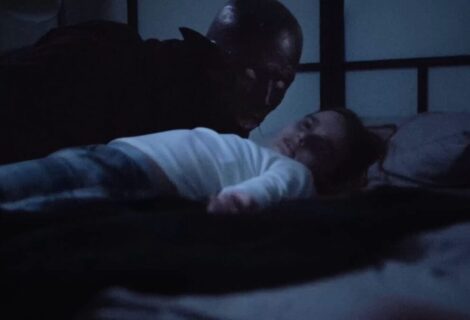
After Midnight Productions presents The Numismatist, a contemporary interpretation on classic ghost stories.
The Numismatist is a new horror short from director Andrew Loveridge which was selected to play at the Horror-on-Sea Film. Following the showing of the film I got a chance to ask Andrew Loveridge a few questions about making the film.
How did you come up with the name for the film?
It was from the writer Ben Latcham, who wrote the script. The original idea for the script didn’t involve a coin, it involved some other token link to witchcraft. He proposed the idea of the coin relating to the kings shilling – which is an actual true legend of how people were press ganged into joining the military or navy. It came through him and he knows my love for poncey titles. One that we done a couple of films before was Nyctophobia (2014), which again is a kind of poncey title. I think it suits the ghost, mystery – it sounds old worldly. The amount of people who can pronounce it or have asked me to change it; maybe that’s something to listen to for the next one. The next one will just be called Spooky or something like that.
How did you come up with the idea originally, was it a collaboration with the writer?

It was very much so. I am a big fan of the Edwardian horror writer M R James and all of us horror fans are aware of the ghost stories for Christmas, the things that used to be on the BBC in the 70’s on Christmas eve – Things like Whistler I come for you. The BBC did one this year with Mark Gatiss directing one. I’ve always been a big fan of those, so I wanted to create something in the same vain; but modern. The same tropes are pulled across, an educated person who has a conflicting belief or something paranormal. It’s normally related to some kind personal objective to try and overcome and often meets someone that is a firm believer in the supernatural. All of our stuff is a riff off of that and seeing how we could put his in a modern context appose to a Victorian or pre-World War I context.
How would you describe the film?
More than anything – it sounds quite pretentious to say it, but I would always say beyond anything else it’s a ghost story. It has the tropes that follow along that convention; essentially, it’s a morality story.
What were your influences for the overall look and style of the film?
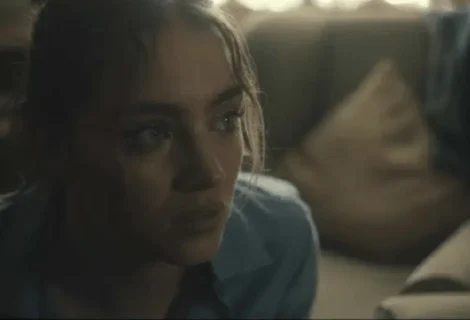
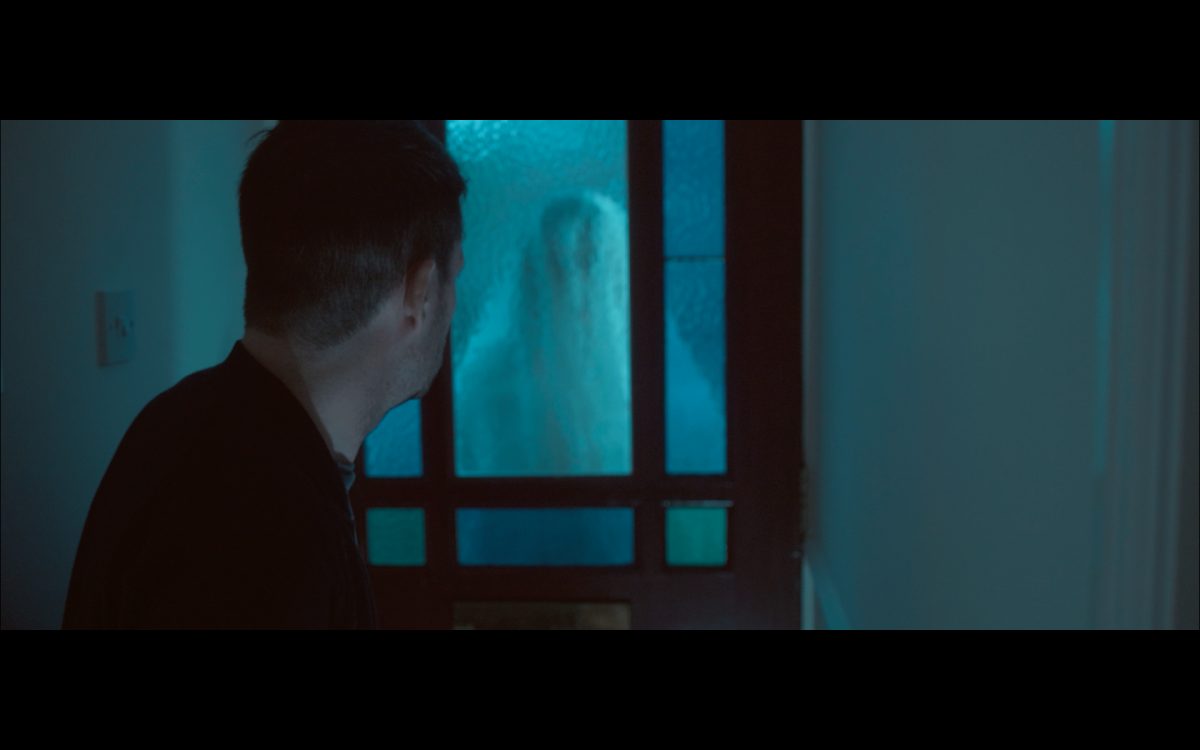
We wanted to deliberately do something that was quite cinematic, but also something quite worn out. We wanted to have a look that was slightly desaturated, almost like an old VHS look without doing it in 4:3 with grain over the top. We wanted the film to make it look like you borrowed a VHS from your mate, who has played it over and over again. It is very much washed out and has an old lived-in look to it. I am not sure how successful we were, but that was the reference point all along, very muted regards to the look.
Was that done in the colour grading afterwards or in the way you filmed it?
It is a mixture of both. It was the first time we shot a film using log footage where had to go through the whole process of regrading. When we get the footage back from what we shot on the day, it’s very naked, very vanilla, very whitewashed. It was playing through different precepts and look up tables that we can apply to try and get the look that we wanted.

It was very hard as well because the film was shot over a long period of time. Most of it was shot in very condensed week and there were some other sequences which were shot month later. So, trying to have something which was somewhat consistent was difficult.
Did you experience any other difficulties shooting a bulk load in one period and adding the additional bits later with changes?
Weirdly enough anyone would be hard pressed to point out the scene that were filmed later. One thing I did notice, it was weird coming back to the characters months later. We filmed some of it in August and we filmed the remaining in the following May – so there was that time between them. It was great having the characters coming back and reprising the role and the actors immediately slipping back into the characters. It was that big jump and it was like wow! The first day of filming the acting was great, but it took a while to get the flow and vibe of the characters, but it’s weird then how months later they just slipped back into it. That was kind of fun.
Did you experience any issues during filming?
Apart from getting kicked out of a farm by an angry farmer. You would think on a public footpath you would be fine! Any filmmaker would know this, when you are filming without a permit as such, everyone immediately sees you with a video camera says, “What are you doing?” What do you think I am doing? What possible scenarios are going through your head that isn’t; this guy is either filming something or taking photographs. We had that a little bit when we were filming in public spaces and stuff, but the rest of it was quite lucky with the locations. The Wellingborough Museum we filmed at, we have a good relationship with the guy who runs that and the rest of it we converted from my house and another scene shot locally like the café. It was the outside bits which we thought would be easy because it’s a public footpath, that’s where we had most problem with the public and angry farmers coming out with “What are you doing on my land?”
What were your favourite moments during filming?
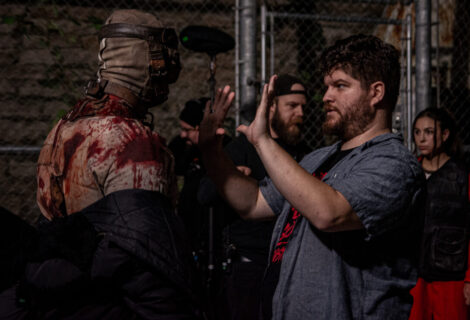
That’s an interesting one. The thing for me was the family dynamic of a small crew, on average for an After Midnight Production film we have about five people outside of the actors. It becomes such a tight-knit unit that everyone starts communicating without talking to one another, messages are conveyed though looks and expressions. That’s my favourite bit, when it starts to gel and clicks as a solid unit, everyone takes ownership of the film. It certainly stops becoming my film, my idea, and becomes a collaborative process and becomes everyone’s film – and that’s my favourite moment.
Was there anything different from the original script in your finished film?

The script changed quite a lot, the bigger changes came mostly from us actually taking scissors to the script and cutting out lots of exposition. The original intention for the script was to try and convey as much visually as to what’s happening on screen, appose to lots of exposition and dialogue. I think we were partially successful. The first couple of screenings we did of it, to test it out with our friends and family, some of them were still unsure as to what was going on, so we had to add a little bit of that back in as we went on. For the most part it was longer, and we had to cut it down.
The film was produced by your production company Midnight Productions, how did that come about originally?
When we shot the first one Nyctophobia that kicked it off a few years ago,we wanted to do a premier screening of it so a few of us came together and started spit balling ideas. We started to discuss whether it was something we wanted to continue on or just a one off and the consensus was, this is something we want to continue with. The idea is, this has never been a just me company. We have a family dynamic of the After Midnight brand can be loaned out to other people and I just oversee it as a producer role. That is the intention behind it to take it to the next level.
If anyone is looking to get into film making, what advice would you give them? Ironically enough I teach film production as well, so I do have a lot of interaction with young people who want to get into films. As wonderful it is to be at a film festival such as the Horror-on-Sea Film Festival, or if you get your film screened on TV, other festivals or a DVD release; I say always forget about that! The first thing you should do is make a film you want to make and have fun making it. If you are thinking about is this going to make me rich, is this going to make me famous, am I going get success from this. Then you are doing it for the completely wrong reasons. Make a film because you want to make a film and have fun doing it!
You can find out more about the feature films playing at Horror-on-Sea Film Festival for the second weekend and details of tickets on the website.

Published in various websites, Philip is a reviewer who is best known for his interviews and media coverage of independent projects including; films, books, theatre and live events. Always on the lookout for something different to cover!