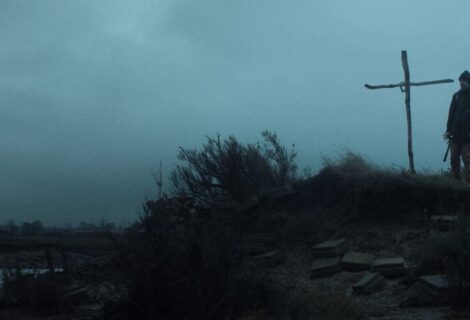
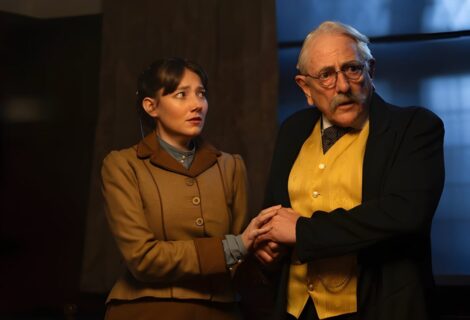
With In A Violent Nature being released in cinemas we thought we would look at the slasher film genre, a staple of horror cinema, that has captivated audiences for decades with its unique blend of suspense, gore, and psychological terror. Originating in the late 1970s and peaking in popularity throughout the 1980s, slasher films have left an indelible mark on the horror landscape. Central to this genre are iconic franchises like Halloween and Friday the 13th, which have shaped the conventions and expectations of slasher films.
Origins and Early Influences
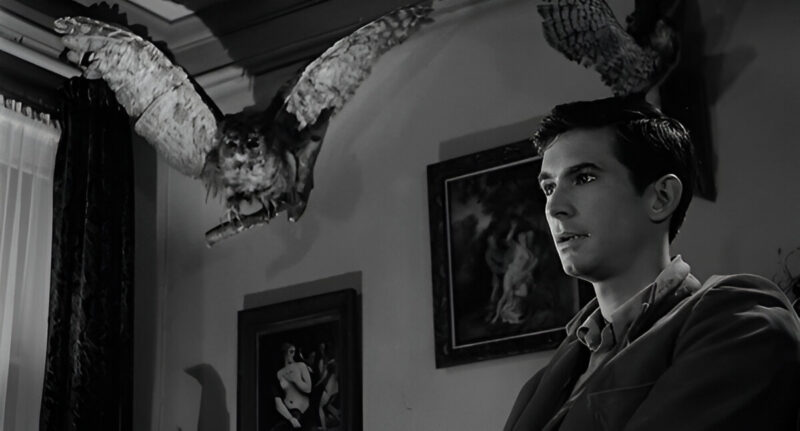
The roots of the slasher genre can be traced back to early horror films and thrillers that employed elements of mystery, tension, and violent killings. Films like Alfred Hitchcock’s Psycho (1960) and Michael Powell’s Peeping Tom (1960) introduced audiences to the concept of the “killer’s perspective,” a key characteristic of later slasher movies. These films, along with Italian Giallo films such as Mario Bava’s A Bay of Blood (1971), laid the groundwork for the emergence of the slasher genre.
The Birth of the Slasher Genre: Halloween (1978)
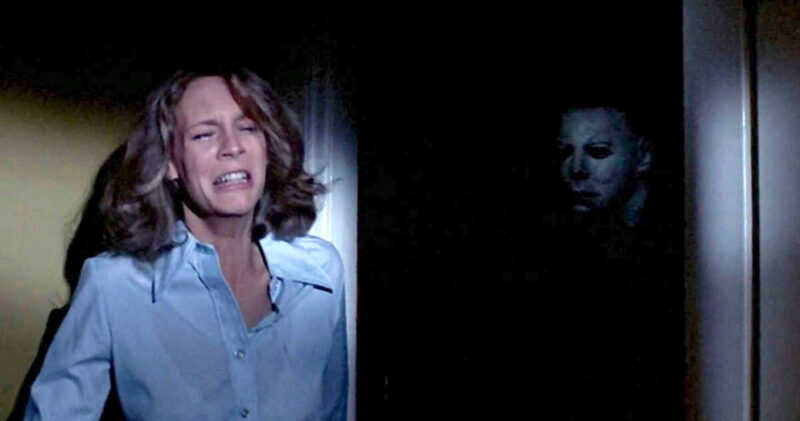
John Carpenter’s Halloween (1978) is widely regarded as the film that launched the slasher genre into mainstream popularity. The movie follows the story of Michael Myers, a masked killer who escapes from a mental institution and returns to his hometown to wreak havoc on Halloween night. The character of Laurie Strode, played by Jamie Lee Curtis, became the quintessential “final girl,” a trope that would become a staple in slasher films.
Halloween was notable for its low-budget production, atmospheric tension, and the minimalist score composed by Carpenter himself. The film’s success demonstrated that horror movies could be both commercially viable and critically acclaimed. Its influence is evident in the numerous slasher films that followed, many of which borrowed its formula of a relentless, masked killer stalking and murdering teenagers.
Friday the 13th and the Explosion of the Slasher Genre
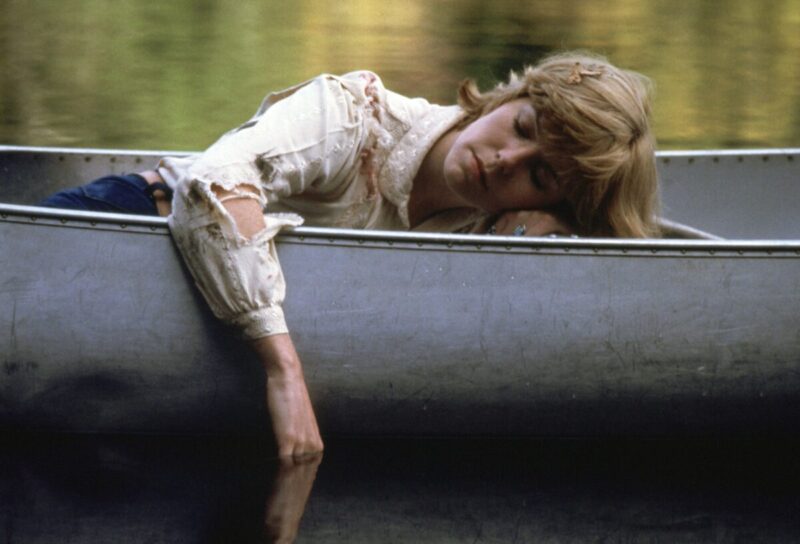
Following the success of Halloween, Sean S. Cunningham‘s Friday the 13th (1980) further solidified the slasher genre’s place in cinema. The film introduced audiences to the iconic Camp Crystal Lake and a series of gruesome murders perpetrated by a mysterious killer. Although the original film did not feature Jason Voorhees as the primary antagonist, his character would become synonymous with the franchise in subsequent sequels.
Friday the 13th distinguished itself with its graphic violence and inventive kill scenes, setting a new standard for the genre. The film’s financial success led to a proliferation of slasher movies throughout the 1980s, each attempting to capitalize on the formula of teens in peril and masked killers. This era saw the release of numerous slasher franchises, including A Nightmare on Elm Street (1984), which introduced the dream-stalking Freddy Krueger, and Child’s Play (1988), featuring the murderous doll Chucky.
Evolution and Deconstruction in the 1990s and Beyond
By the early 1990s, the slasher genre began to wane as audiences grew tired of repetitive plots and clichéd characters. However, the genre experienced a revival with Wes Craven’s Scream (1996). Scream deconstructed the conventions of the slasher film, offering a meta-commentary on the genre while still delivering genuine scares. The film’s self-aware script and clever twists reinvigorated the slasher genre, leading to a wave of similar films that embraced a more ironic and reflective approach.
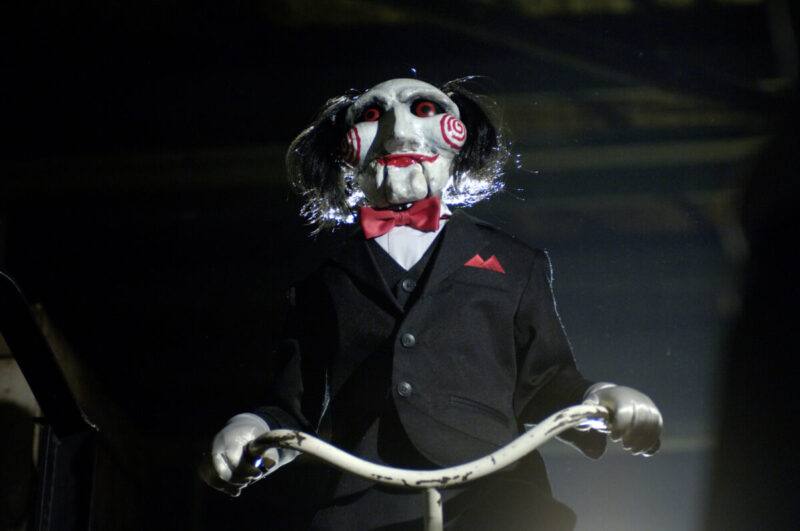
The early 2000s saw a mix of slasher remakes and original films that continued to evolve the genre. Remakes of classic slasher films like Halloween (2007) and Friday the 13th (2009) introduced these iconic killers to a new generation of horror fans. Meanwhile, films like Final Destination (2000) and Saw (2004) incorporated slasher elements into their unique narratives, further diversifying the genre.
Legacy and Influence
The legacy of the slasher genre is evident in its lasting impact on popular culture and the horror genre as a whole. Iconic characters like Michael Myers, Jason Voorhees, and Freddy Krueger have become cultural icons, representing the enduring appeal of the slasher film. The genre’s influence extends beyond cinema, with references and homages appearing in television, literature, and video games.
Modern horror filmmakers continue to draw inspiration from the slasher genre, blending its conventions with contemporary themes and storytelling techniques. Films like It Follows (2014) and The Babadook (2014) incorporate slasher elements while exploring deeper psychological and societal issues.
Conclusion
The slasher film genre has undergone significant transformations since its inception, evolving from straightforward tales of masked killers to complex narratives that challenge and subvert audience expectations. From the groundbreaking success of Halloween and Friday the 13th to the self-referential brilliance of Scream and beyond, slasher films have cemented their place in the annals of horror history. As the genre continues to evolve, it remains a testament to the enduring fascination with fear, suspense, and the darker aspects of human nature.

Karen Woodham is the founder and owner of the Blazing Minds. She is also a Cinema reviewer and works with RealD 3D reviewing the latest 3D releases and IMAX, she has also had several articles published in various publications including the first edition of SFW Magazine. In 2015 she became an Award Winning Blogger and also has her website listed as one of the UK’s Top 10 Film Blogs.