

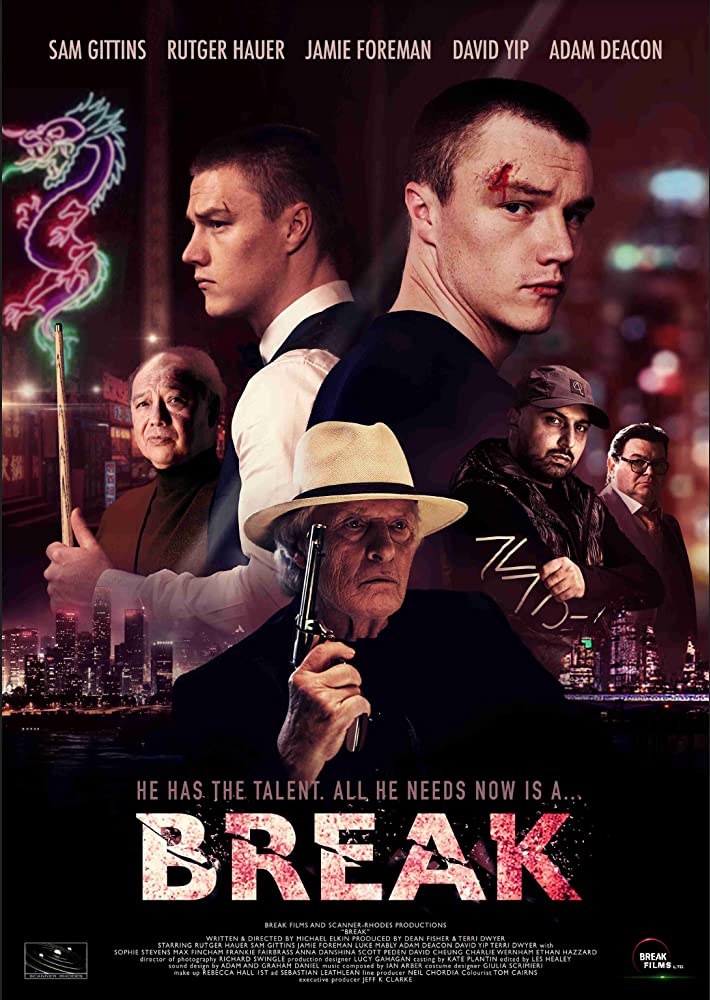
In a new interview on Blazing Minds, I got a chance to ask writer-director Michael Elkin a few questions about his debut feature Break, which is now available on DVD and digital.
A gifted inner-city kid, wasting his talents on crime, gets in over his head until a chance encounter with a stranger presents him with an opportunity to turn his life around. But is it too late?
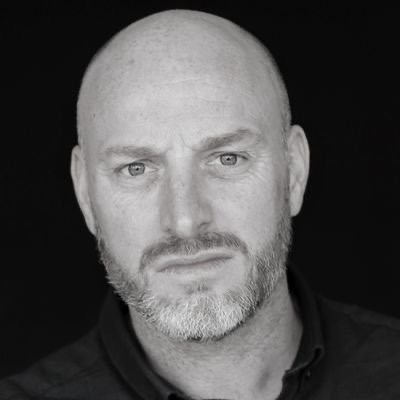
Q. How did you get into filmmaking and was it something you always wanted to do?
I was a pretty late starter and came into this industry as an actor aged around 27 or 28 years old. I didn’t really get into writing until my mid-thirties. In truth, I kind of fell into the writing and directing side of things because I became more and more interested in the whole filmmaking process, but I think on reflection, YES it probably was something I’d always been interested in. I’d actually forgotten, but I can recall scripts I’d written as a kid and into my late teens, long before I even got into acting, mostly little scenes just to amuse myself, but I’ve always enjoyed story-telling.
Q. Break is your debut feature film which you wrote and directed. Can you tell me what we can expect from the film?
What can people expect? I think a lot of people will be able to identify with the characters because they are all based on people I know or have encountered at some time in my life. They’re real. I think the story of someone struggling to make good against the odds is a well-trodden path, but hopefully Spencer’s journey will interest people. Break is essentially a rags-to-riches, urban drama about a London kid trying to make a break from all the negative elements of his life to do something positive. I hope people feel inspired to follow their dreams and make better choices.
Q. What were some of your influences when writing the original script?
As mentioned the script was inspired by real people and I was influenced by my own journey in life. I came into acting late having always harboured a desire to get into the industry and although I was never personally on the path that Spencer is on, I knew plenty of people that were. The snooker side of things came from the many hours I spent at a number of snooker halls around south London and Spencer Pryde was based on an amalgamation of characters from those places, but primarily a very talented player that used to go to one of the clubs. Despite his obvious talent with a snooker cue and the urgings of others to try his luck at turning pro, he seemed more interested in pursuing a life of crime. I just found that interesting and given today’s spiralling knife and drug crime, I felt I wanted to show in film, how the choices we make can directly affect the path that our lives take. We can all blame outside forces for our luck or lack of luck in life, but the truth is, we make our own choices and bad choices lead to bad luck and ultimately a bad life.
Q. It is always difficult with sports dramas to capture the natural abilities of a professional sports person. Were you ever concerned that the snooker element of the film wouldn’t come across naturally on screen?
It was a concern, but not as much of a concern as finding capable actors that could do the characters justice on screen. Although the film has a snooker back drop, my priority was always to make a good film with an interesting story and characters that people could identify with. Whilst I do think it’s important to try to satisfy the snooker purists that may want to see this film, I think it’s more important to satisfy film fans because they are a far bigger audience. Rocky (1976) for example is a fantastic film, but I think we can all agree that the fight scenes although exciting, are unrealistic and for most ardent fight fans, borderline ridiculous but it doesn’t matter, because you get drawn in by the great characters the story and the actors. Sly (Sylvester Stalone), Burt Young, Talia Shire, Carl Weathers and Burgess Meredith were brilliant and that’s what makes the film. We got some pro players in to play a lot of the trickier/fancy shots, but the actors, and I mean ALL the actors in Break are fantastic. Snooker fans that love film should enjoy this film and if they are too distracted by the stance of an actor or how he holds his cue, then you’re never gonna satisfy that guy.
Q. The film brings together an amazing cast for a debut feature including Rutger Hauer, David Yip and Sam Gittins. Did you have any of these actors in mind when writing the script and what were they like to work with?
No. I did have certain actors in my mind when I wrote the film, but that was more as a reference point for me as a writer. Ian McShane was Ray when I wrote the script, Brendan Gleeson was Monty and Terry Pryde was Marc Warren although that changed to Johnny Harris after This is England (2006) came out. The first person I attached was the lead Sam Gittins. I’d never been able to think of anyone for Spencer Pryde but met Sam when I was working in a call centre between acting jobs. We got chatting and realised we were from the same area. During the conversation, I saw something in him. He had a certain swagger but was also very unassuming. I had already written Break a few years earlier and I said to him there and then “I’ve got a script that I think you’d be perfect for”. I told him, it wasn’t ready yet because I had no funding and didn’t know how to go about getting any, but I promised him that I’d find him as soon as I was ready. About 5 years later I tracked him down, sent him the script and that was that. He is amazing in the film and was great to work with.
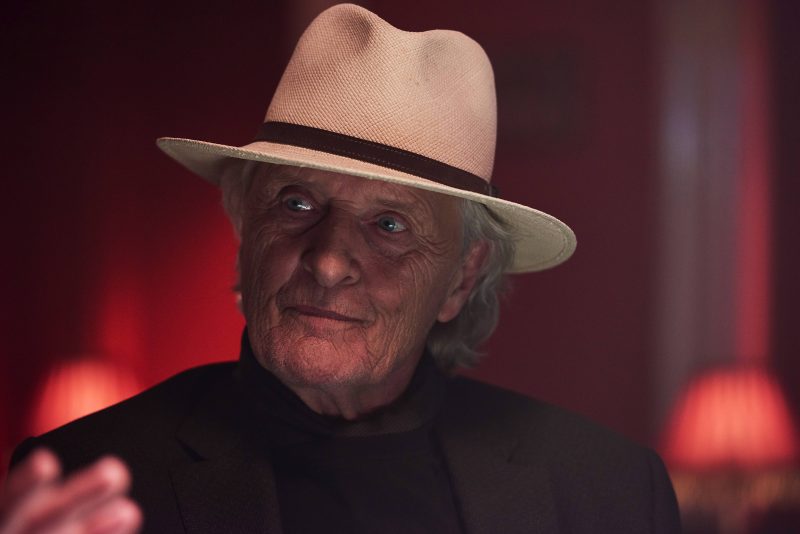
As for the others you mention, they were terrible divas! No, I’m joking of course. David Yip is an absolute gentleman and a joy to work with. I remember watching The Chinese Detective (1981-1982) growing up and had seen David over the years in lots of stuff including some massive movies like Indiana Jones and the Bond films, so had always been a fan. Likewise, with Rutger Hauer who let’s face it is the biggest name in Break. I still pinch myself when I think of the cast that appear in my debut film and I know how lucky I’ve been. Rutger was great to work with and a lovely man to know, even if it was brief. We did have lots of contact before filming started and he even called me after filming had finished just to say hi and have a catch up. I still feel a touch of sadness when I think about his death, but I will always feel grateful that he graced Break with his acting talents.
Q. Did you experience any issues during filming?
There were numerous issues, probably too many to mention, but that’s all part and parcel of independent filmmaking. I’d be surprised if any indie filmmaker said their road was smooth.
Q. What was your favourite moment filming Break?
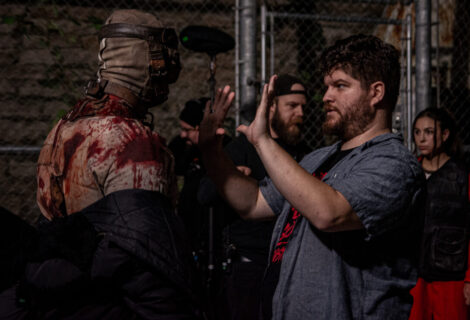
It will seem odd, but it was eating a bacon roll on the first day of filming. Break was such a long time in the making from ‘script to screen’ and I had experienced several few false starts over the years. I remember talking to a friend of mine who had made several films, and every time I told him that Break was good to go, he replied “don’t believe it’s actually happening until you’re on set eating your bacon roll”. He was right. After all the setbacks, there was a point where I wondered if the film would ever get made. When I sat on set on that first day and took a bite out of that roll, I actually said out loud “It’s happening”. I had Terri Dwyer take a photo of that very moment.
Q. Did you make any changes to the original script during filming?
A few minor changes/tweaks were made on the run up to filming, these were mostly to fit in the cameos from some of the snooker players that appear in the film. The only one that was originally written was the one that appears at the end of the film. I’d always intended to have a well-known snooker player feature and it ended up being Ken Doherty who is a top fella. As for changes ‘during’ filming, I am sure I made a few but nothing springs to mind as they would have just been the odd word of dialogue here and there, so nothing major.
Q. What do you hope people will take away after watching the film?
Ultimately, I want people to enjoy the film, but also to feel inspired and come away with the belief that any situation can be changed, any obstacle overcome, and any dream achieved if they make the right choices and are prepared to put the work in.
Q. Do you have any other projects which you are working on in film or animation?
I am always writing and tend to work on several ideas at once. I do have a couple of features in development, another that I’ve just completed and a couple of television series in development. One of them Nefarious is at an advanced stage with the first few episodes completed and a series bible. It’s a continuous crime drama and like Break, the characters are real, and I think lots of people will be able to relate to them. They’re more Arthur Daley and Del Boy types than they are Ronnie and Reggie Kray and most of the things that happen along the way are real stories. This is currently with a couple of producers and being pitched to networks I believe. Hopefully, someone picks it up because I really think there is an audience out there desperate for something that isn’t Zombies, Vampires or Superheroes right now. I can only speak for myself, but every time I see the dirge of new titles on Netflix or Amazon and read about the lead characters ‘special powers’, I feel bored.
Q. If someone was looking to write and direct their own film what advice would you give them?
I was always told to think about budget when you write. My advice would be if someone tells you that, smile politely, thank them, and then write whatever you want to write without constraint. If you’re lucky enough to get to a stage where you can make it, but don’t have the budget to do what you originally wanted, you can make the changes then. As for directing, try to enjoy it and don’t put pressure on yourself. Filmmaking is a collaborative process and there are a team of people there to help and assist you, let them. I would also say that the script is key. Always. It will attract the producers, the actors, and the money. If you haven’t done the best you can with the script, the film will suffer no matter who’s on board.

Published in various websites, Philip is a reviewer who is best known for his interviews and media coverage of independent projects including; films, books, theatre and live events. Always on the lookout for something different to cover!